

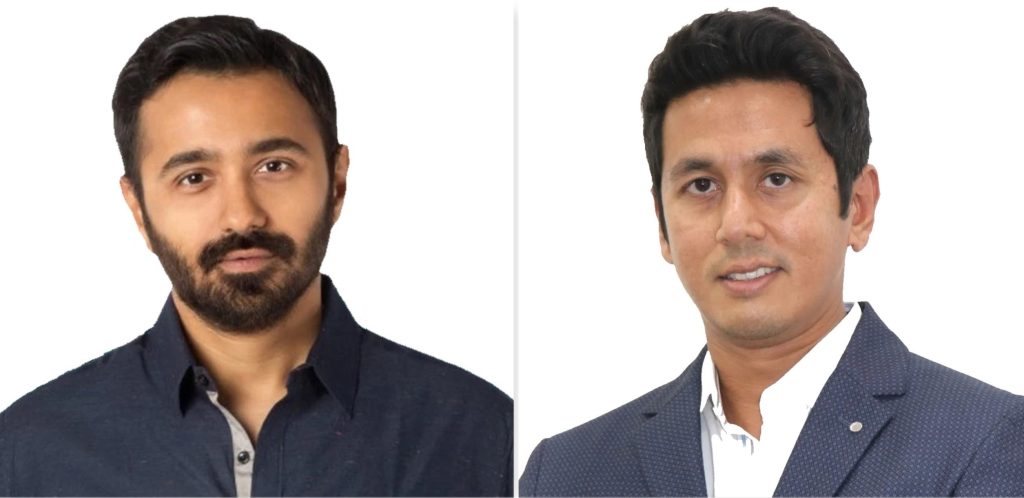
 Varun Sheth and Zaheer Adenwala are the Co-founders of Ketto.org.
India’s healthcare system has achieved a great deal, but ensuring that every person can access timely, affordable care remains a shared responsibility. The country is a global leader in pharmaceutical manufacturing and medical research across a range of specialities. It also has a large pool of trained and highly skilled doctors. Yet many people in India still lack access to affordable, high-quality healthcare.
Many families do not have health insurance and rely heavily on personal savings or support from relatives and the wider community to meet their medical expenses. India also has a significant population living with chronic conditions such as diabetes, cancer and cardiovascular disease. As a result, the demand for affordable healthcare facilities and preventive services continues to grow. Healthcare facilities in rural India are steadily expanding, creating opportunities to improve services and meet the needs of local communities more effectively.
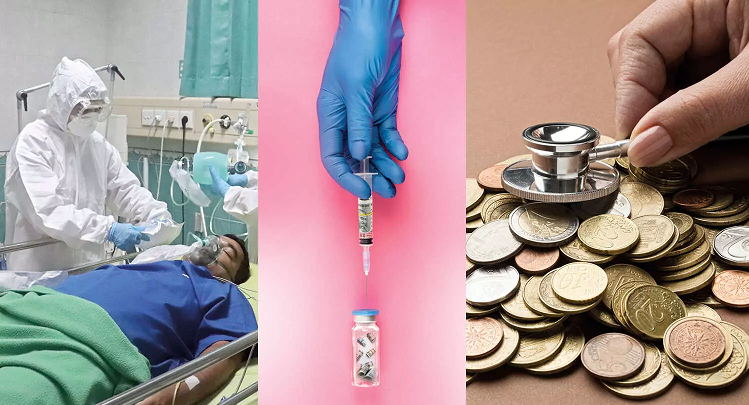 Medical crowdfunding is a testament to our society’s ability to adjust to changing healthcare needs as they arise. It reflects how communities can harness technology and collective goodwill to respond to urgent financial crises. By bridging compassion with innovation, crowdfunding allows individuals to reach a vast network of support that extends beyond traditional systems.
Medical crowdfunding has emerged as another way of helping families who need financial assistance for medical expenses. Platforms such as Ketto enable families to raise funds for treatment by connecting them with a wider group of donors. This can be particularly important when treatment is urgent, and families do not have the resources to meet the cost on their own.
The stories behind these fundraisers are often remarkable. Parents have raised money for the treatment of their children, while patients who could not otherwise afford specialised or advanced therapies have been able to access them through crowdfunding. For families facing a medical crisis, support from people they may never have met can bring not only financial assistance but also a renewed sense of hope.
Medical crowdfunding is a testament to our society’s ability to adjust to changing healthcare needs as they arise. It reflects how communities can harness technology and collective goodwill to respond to urgent financial crises. By bridging compassion with innovation, crowdfunding allows individuals to reach a vast network of support that extends beyond traditional systems. Ultimately, while the technology provides the pathway, the true success of any fundraiser relies on a deeply human element: the fundamental willingness of people to help one another in times of serious medical need.
There are still many untapped opportunities to improve the reach and effectiveness of crowdfunding. One of the biggest obstacles is a lack of awareness, particularly among families living in rural and underserved areas. Digital literacy can also be a barrier, as some families may not know how to use online fundraising platforms or may not have easy access to them. Outreach and education can help more people understand how crowdfunding works and how it may be used when they face unexpected medical expenses.
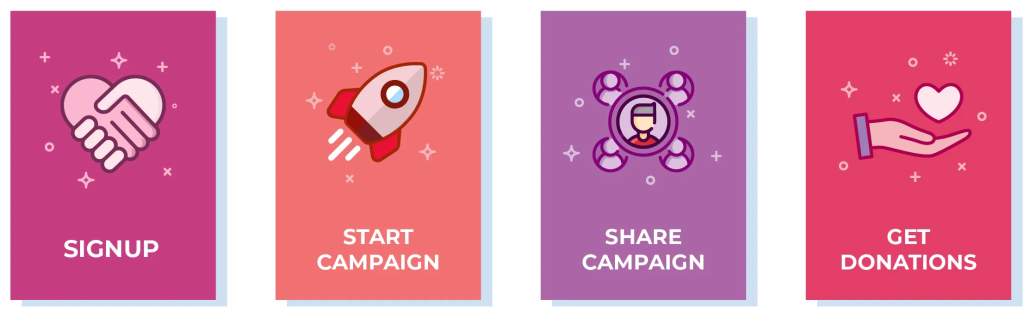 Collaboration is therefore essential. Healthcare is a collective responsibility, and governments, healthcare providers, non-profit organisations, crowdfunding platforms, donors and citizens all have a role to play.
Trust is equally important. Verified and transparent fundraisers can give donors greater confidence that a campaign is genuine and that the money raised will reach the intended beneficiary. Clear information about the patient’s condition, treatment and financial requirements can help build this trust. Partnerships with NGOs and hospitals can further improve the credibility of fundraisers and extend their reach to families who may otherwise have limited access to such support.
These efforts are also connected to the wider work being done to improve healthcare in India. Government initiatives to expand health insurance, increase the capacity of public healthcare services and improve healthcare infrastructure, particularly in rural areas, are important steps towards reducing the financial burden on families. Investment in healthcare facilities, training of health workers and preventive healthcare can help address some of the challenges before they become more serious.
Greater financial protection for families, through subsidies, insurance and other forms of assistance, is equally important. A stronger healthcare system can reduce the extent to which families have to depend on fundraising when a member falls seriously ill. Medical crowdfunding can work alongside these programmes by providing additional assistance in cases where immediate financial support is needed. It should support existing healthcare and financial assistance systems, rather than be seen as a substitute for them.
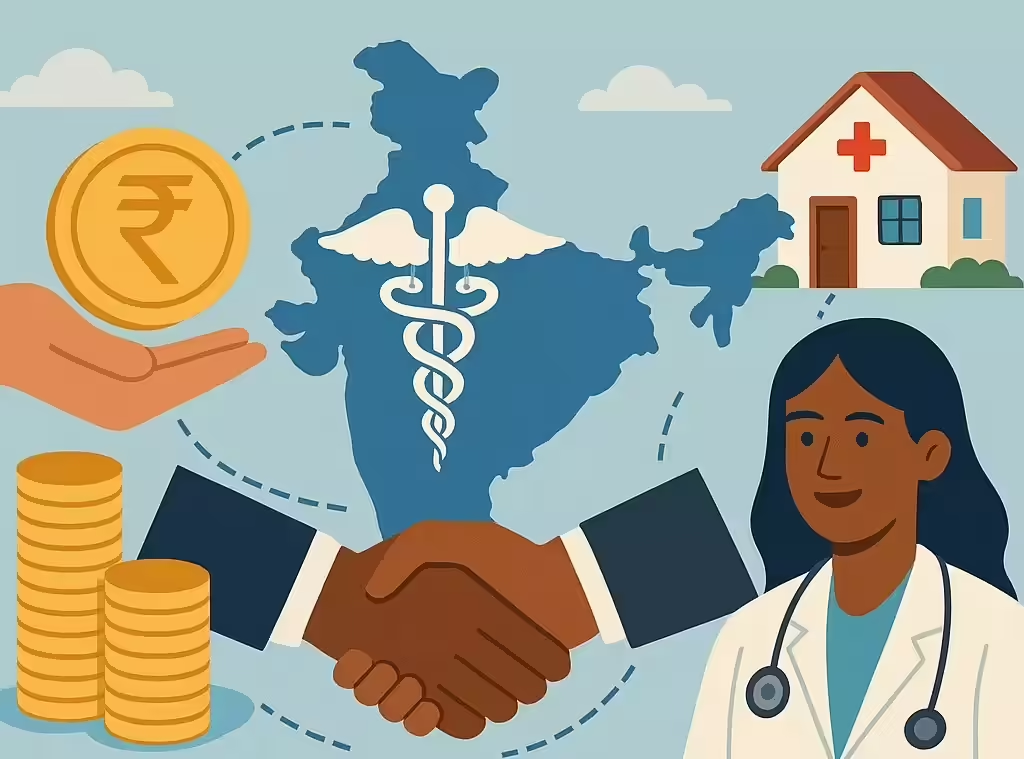
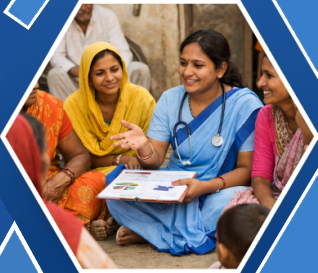
Collaboration is therefore essential. Healthcare is a collective responsibility, and governments, healthcare providers, non-profit organisations, crowdfunding platforms, donors and citizens all have a role to play. There are now many crowdfunding models, with Ketto being one of them. Each offers a way for people to come together and respond to medical needs that may otherwise be difficult for a family to meet on its own.
The experience of medical crowdfunding has shown how much can be achieved when people are willing to help others in difficult circumstances. Donors, NGOs, hospitals and, in some cases, public figures have come together to support patients seeking funds for surgeries, treatment and ongoing care. For the families involved, this support can mean that they are not left to face illness and financial uncertainty alone.
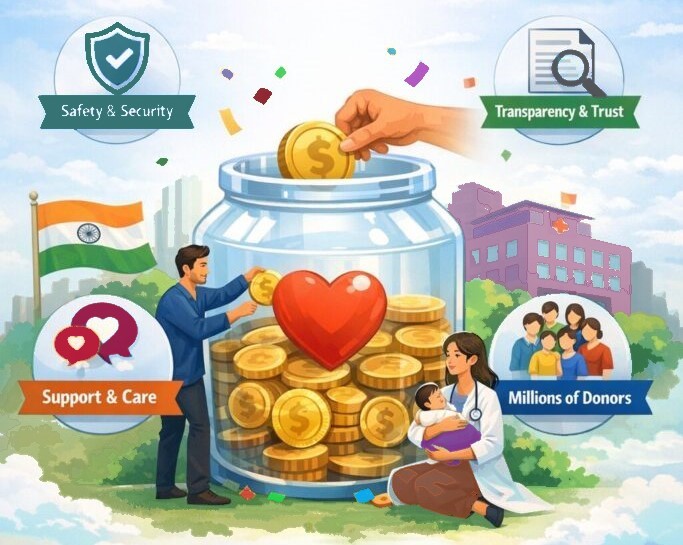
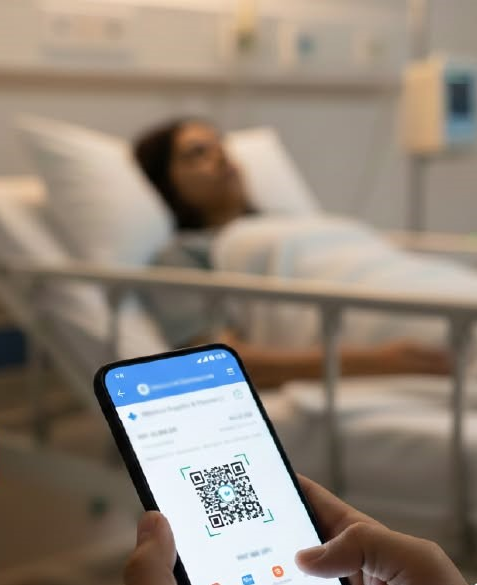
India’s healthcare system has progressed significantly, but there is still much to be done. Advances in pharmaceuticals, medical research and medical education have strengthened the country’s healthcare capabilities. Medical crowdfunding has changed many lives by allowing families facing serious illness to gather money for essential therapies, providing hope where conventional methods might fail.
At the same time, the growing use of digital platforms brings a responsibility to ensure that fundraising remains transparent, accessible and trustworthy. Technology can make it easier to reach potential donors, but it must be supported by proper verification and clear communication. It is also important to ensure that people from underserved communities are not excluded simply because they have limited digital access or awareness.
The future of healthcare in India will depend on how effectively government policies, healthcare services, technology and community participation work together. Medical crowdfunding can contribute to this effort by helping families meet urgent expenses, while improvements in health insurance, public healthcare and preventive services address the larger challenges.
India’s healthcare system has progressed significantly, but there is still much to be done. Advances in pharmaceuticals, medical research and medical education have strengthened the country’s healthcare capabilities. Medical crowdfunding has changed many lives by allowing families facing serious illness to gather money for essential therapies, providing hope where conventional methods might fail.
The strength of medical crowdfunding ultimately lies in the community behind it. Hospitals, NGOs, donors, volunteers and ordinary citizens can each make a difference. Their involvement shows that empathy and financial support can complement medical care and healthcare infrastructure.
 India’s healthcare journey is ultimately a shared one. Medical crowdfunding is not a replacement for a strong healthcare system, but it can provide timely help to families facing medical emergencies. By improving financial protection, expanding access to healthcare, raising awareness and using technology responsibly, India can continue to reduce the burden that illness places on families and build a healthcare system that serves more people with greater fairness and dignity.