


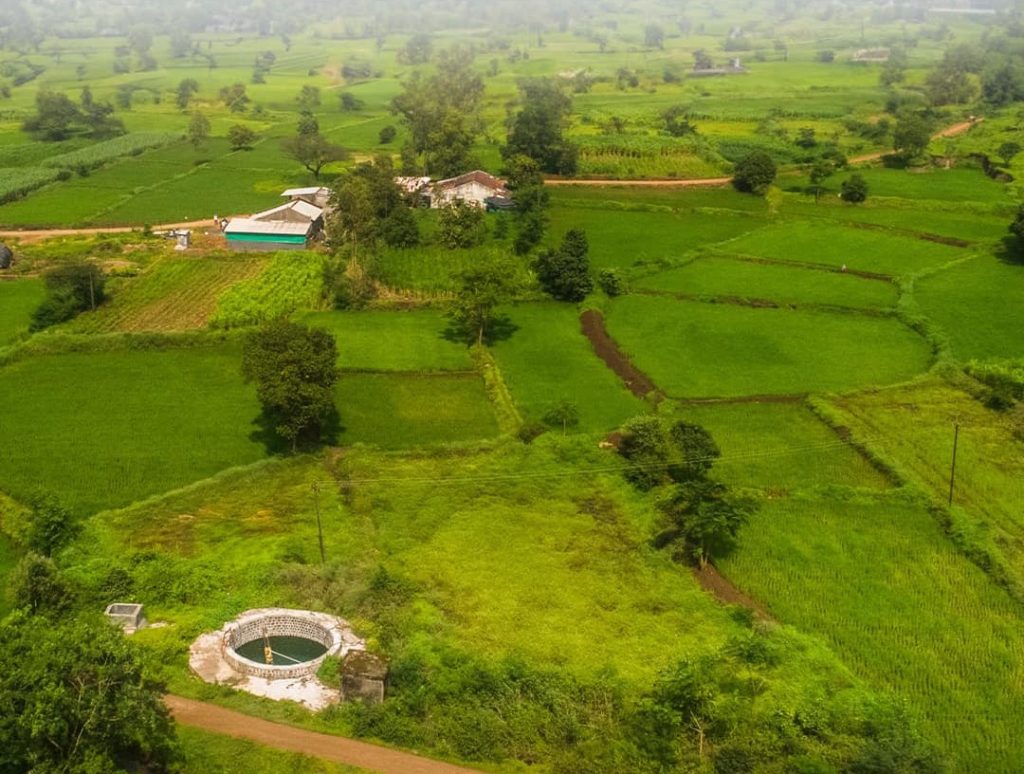
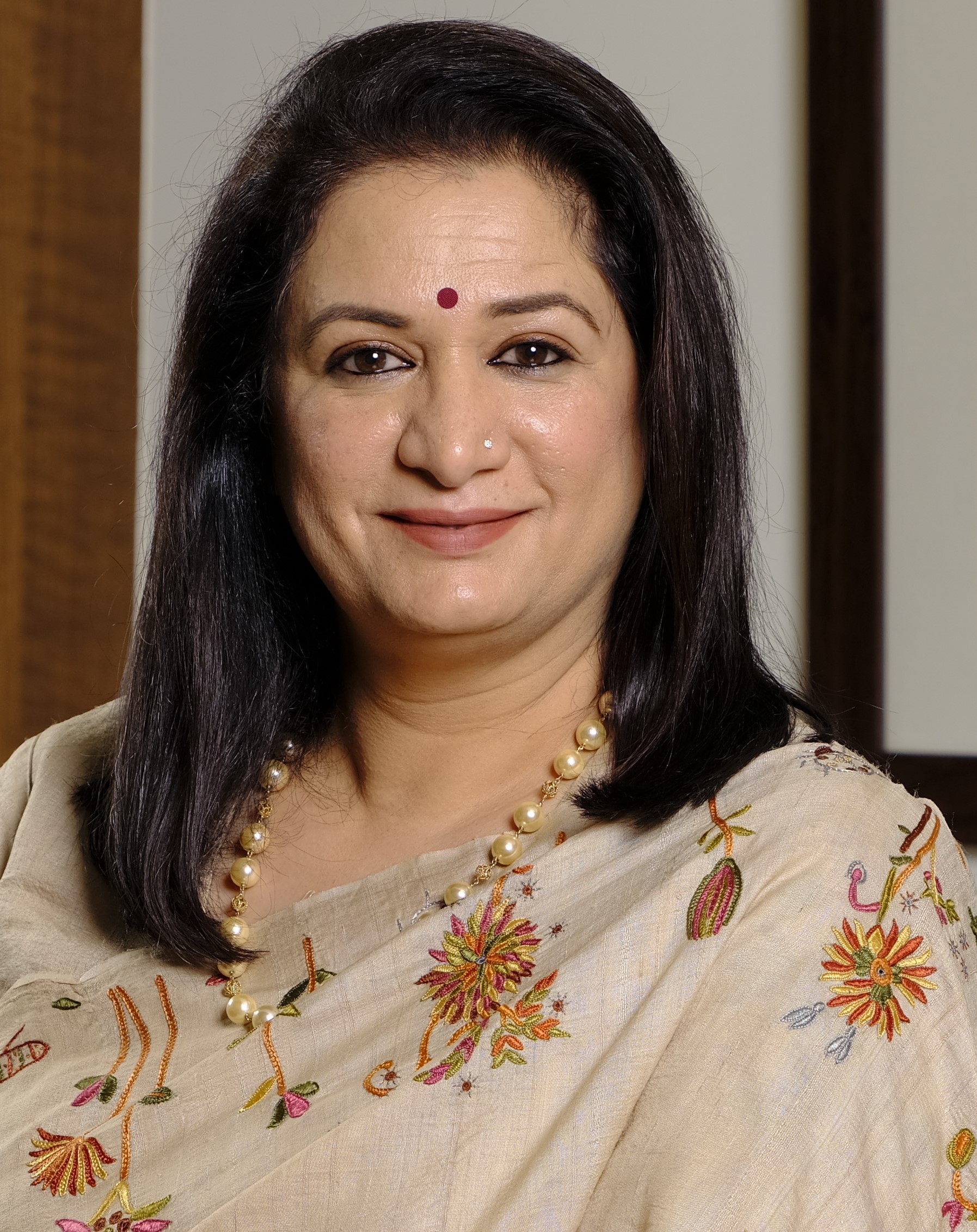
 Nestled in Maharashtra’s stunning Western Ghats, a remarkable journey unfolds in the Rajgad region. Raintree Foundation is working tirelessly to forge a profound connection between communities and the landscapes that nurture them. It focuses on long-term, place-based interventions such as water security, sustainable livelihoods, renewable energy, biodiversity preservation, and mental well-being to enhance the quality of life in this ecologically sensitive area. Leena Dandekar, the visionary Founder of Raintree Foundation, shares her insights with CSR Mandate on the power of systems-led thinking and ongoing CSR partnerships to transform aspirations into tangible results for communities in Rajgad.
Firstly, could you tell us a bit about the backstory of Raintree Foundation and the core values that continue to drive its work today?
Raintree Foundation was born from a fundamental belief that people and the planet are deeply interconnected, and one cannot thrive without the other. From the outset, we were clear that our work would not be about isolated projects but about long-term, place-based change. We wanted to build a model that strengthens both ecological systems and human well-being, especially in regions rich in natural resources but developmentally fragile.
Our work has always been guided by a few simple yet powerful values: empathy, integrity, and collaboration. We believe in walking alongside communities, not ahead of them. Every programme begins with listening, understanding local realities, and co-creating solutions with the people who live there. We also value scientific rigour. Our interventions are backed by data and continuous monitoring to ensure we improve livelihoods while regenerating ecosystems. Over the years, these principles have helped us evolve into an organisation that works at the intersection of ecology, economy, and emotional well-being, demonstrating progress across 15 of the 17 UN Sustainable Development Goals.
We began with watershed restoration to enhance groundwater recharge and soil health, and soon realised that true resilience required us to go beyond ecology. We then introduced clean-energy solutions such as biodigesters and solarised water systems, which not only reduced environmental pressure but also eased women’s workload and improved family health.
 The mission of the Foundation is to build climate resilience through the relationship between people and their ecosystems. How does this belief come alive through its on-ground interventions and long-term vision?
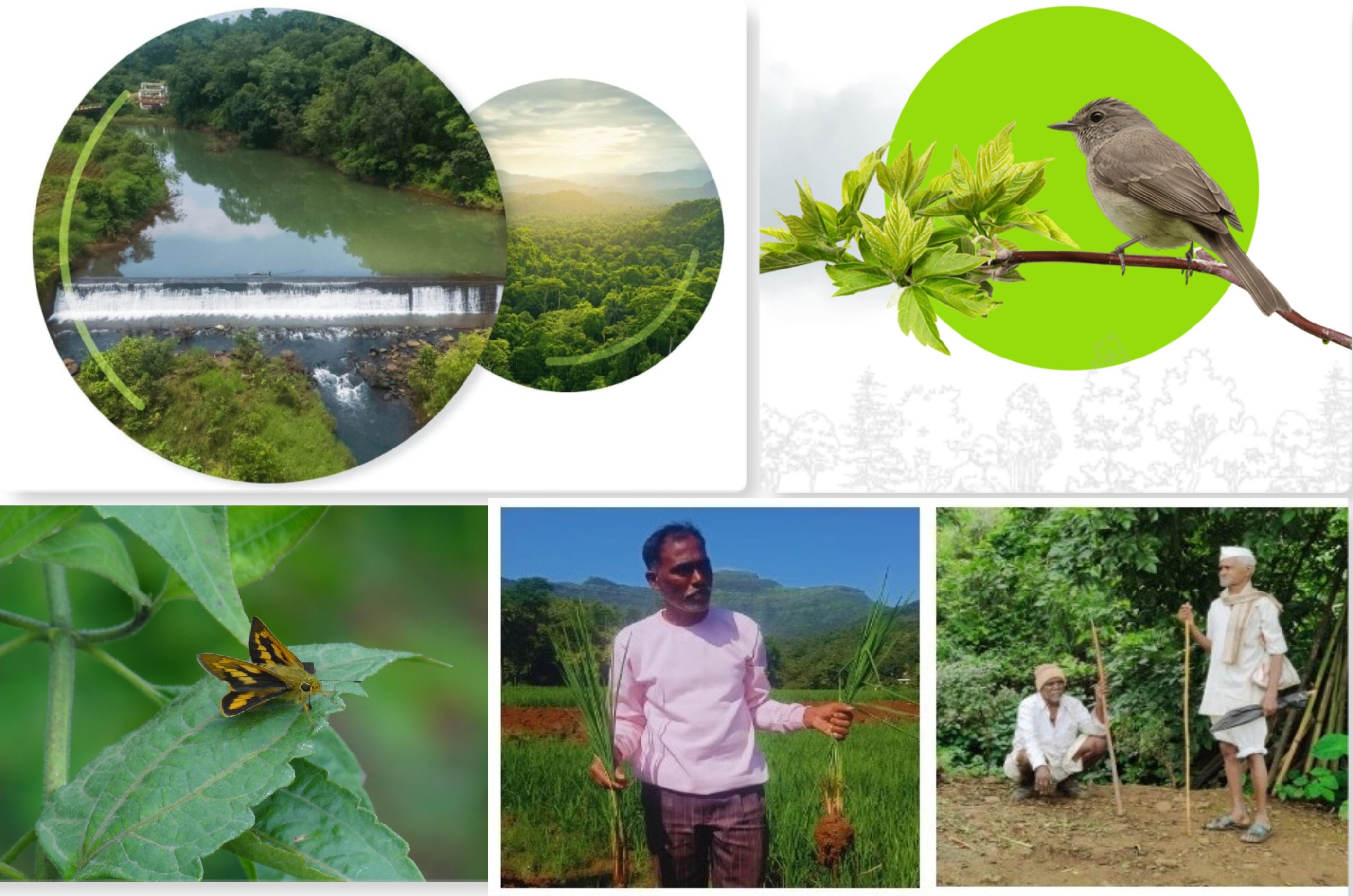
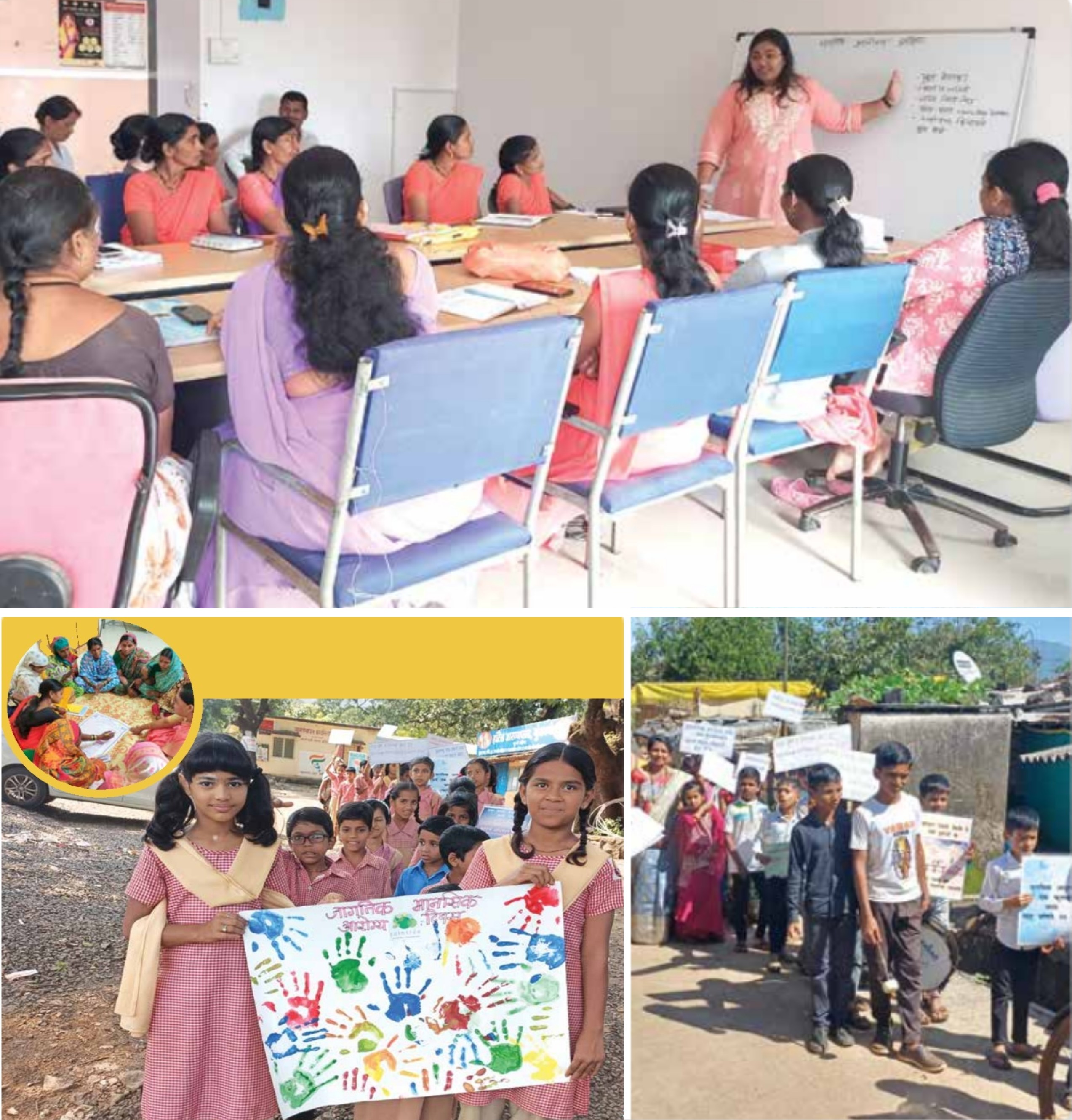
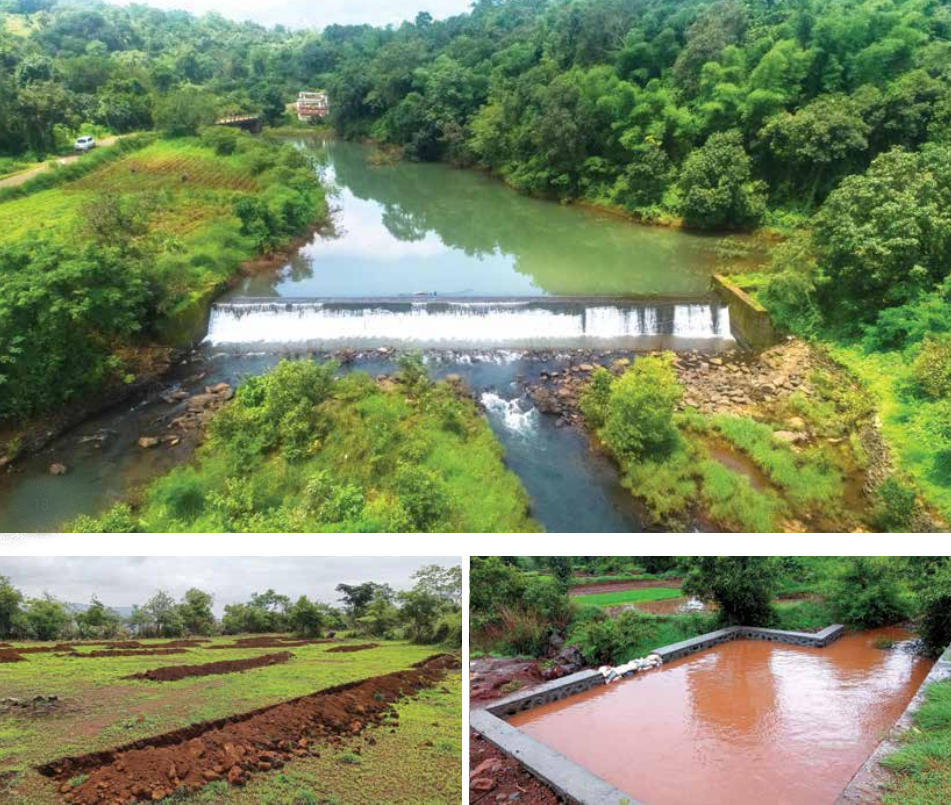
Our mission comes alive every day in the way we approach change; not through stand-alone projects, but through an integrated system that connects water, soil, biodiversity, livelihoods, and mental health. In Rajgad, for example, we worked with local communities to revive traditional water systems, created farm ponds, and introduced solar-powered water ATMs to ensure safe and equitable access to water. These physical changes are paired with efforts to build emotional resilience through our Manosaarthi mental health initiative, which integrates counselling services into local Primary Health Centres (PHCs).
We see this interconnectedness as the essence of climate resilience. When communities feel emotionally secure, economically stable, and environmentally supported, they are far better equipped to respond to climate shocks. Our long-term vision is to create self-sustaining landscapes, like Rajgad, where ecological restoration and human dignity reinforce one another, touching over 4,000 lives across nine villages.
What is the Sustainable Landscape Management (SLM) approach all about, and how does it reflect your vision of creating resilient, thriving ecosystems?
The Sustainable Landscape Approach (SLA) is at the heart of how we work. It is our way of looking at an entire landscape: its natural boundaries, social dynamics, and economic systems, as one interconnected whole. Instead of treating issues like water scarcity, livelihoods, or biodiversity loss in isolation, we bring them together under one framework.
This means that while we work on watershed rejuvenation and biodiversity restoration, we also focus on regenerative agriculture, clean energy access, and mental well-being. The idea is to ensure that improvements in one area feed into another, for instance, when water is secured, farmers can diversify crops, which in turn stabilises incomes and reduces migration. That stability allows families to invest in education, health, and conservation. The SLA reflects our belief that thriving ecosystems and empowered communities are not separate goals but two sides of the same coin.
Rajgad is a landscape of contrasts: ecologically rich yet developmentally fragile. Strategically located between the UNESCO-recognised Western Ghats and urban civilisation, it suffers from chronic water scarcity, minimal industrial presence, and significant migration pressures. We chose Rajgad because it represents both urgent need and immense potential, a place where people and the planet can thrive together through thoughtful intervention.
How has the SLA approach evolved to address the intertwined challenges of environment, economy, and mental well-being in Rajgad Taluka?
 When we began in Rajgad, the challenges were deeply interconnected: depleted water sources, limited livelihoods, migration, and high emotional stress. Over time, our SLA evolved to respond to this complexity. We began with watershed restoration to enhance groundwater recharge and soil health, and soon realised that true resilience required us to go beyond ecology. We then introduced clean-energy solutions such as biodigesters and solarised water systems, which
  not only reduced environmental pressure but also eased women’s workload and improved family health.
In parallel, our Manosaarthi initiative trained local counsellors and linked them with PHCs to build a mental health support system that could help people adapt to change more confidently. Today, Rajgad demonstrates measurable improvements in water security, livelihood diversity, biodiversity restoration, and psychosocial well-being.
Why is Rajgad the focus of this initiative? How are you managing to protect its ecological richness while tackling the area’s developmental challenges?
Rajgad is a landscape of contrasts: ecologically rich yet developmentally fragile. Strategically located between the UNESCO-recognised Western Ghats and urban civilisation, it suffers from chronic water scarcity, minimal industrial presence, and significant migration pressures. We chose Rajgad because it represents both urgent need and immense potential, a place where people and the planet can thrive together through thoughtful intervention.
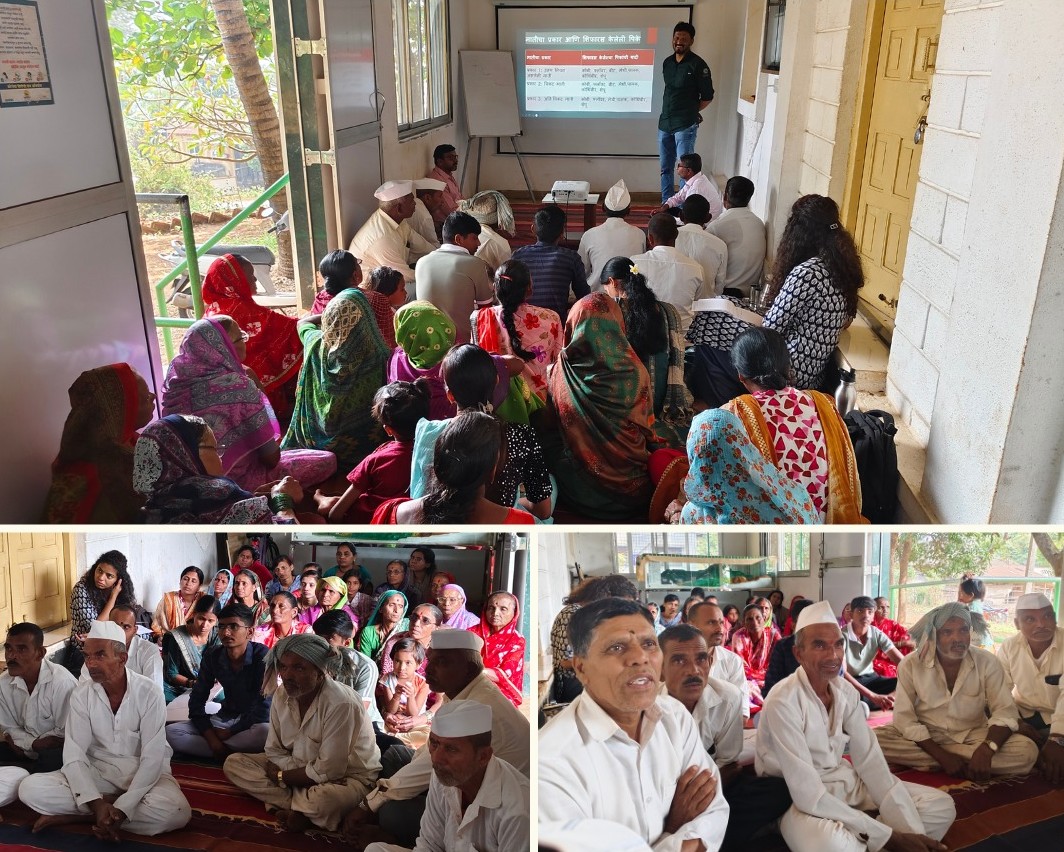 To protect its ecological richness, we work within the natural rhythm of the landscape: planning at the watershed scale, regenerating springs, promoting native species, and strengthening community-led Biodiversity Management Committees. Development and conservation are not competing goals here; they reinforce one another. By aligning livelihoods with ecological restoration through agroforestry, nature-based enterprises, and renewable energy, we are showing that development can, in fact, be regenerative.
Building resilience is not about quick results; it is about slow, steady systems change. We have learned that the landscape itself should guide the intervention, not the other way around. Community leadership is essential. When people take ownership, outcomes endure long after external support ends.
Raintree Foundation’s work in Rajgad encompasses a range of initiatives, including water security, mental health, education, livelihoods, and access to clean water. How does this integrated approach translate into real, interconnected improvements in people’s daily lives?
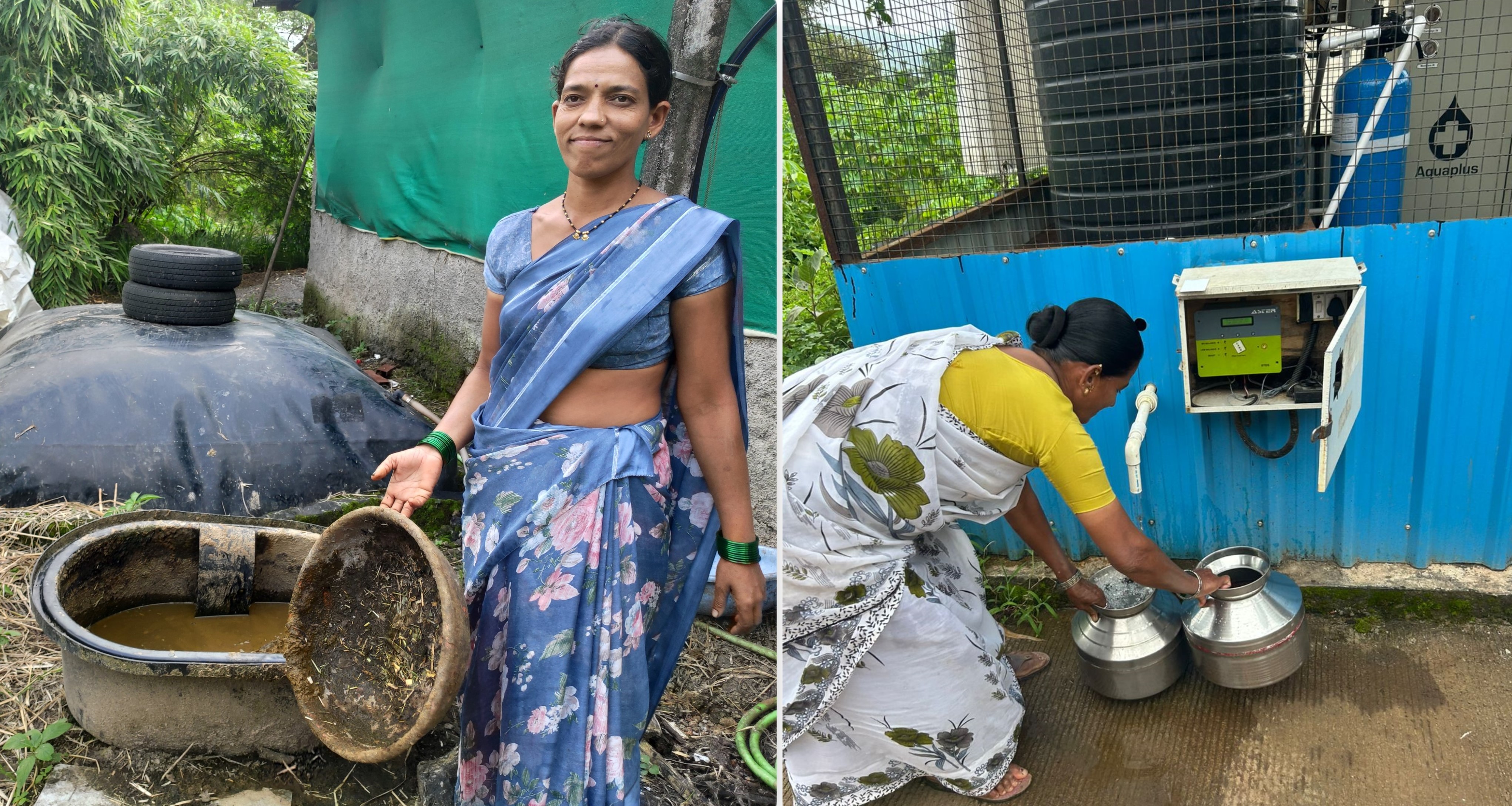
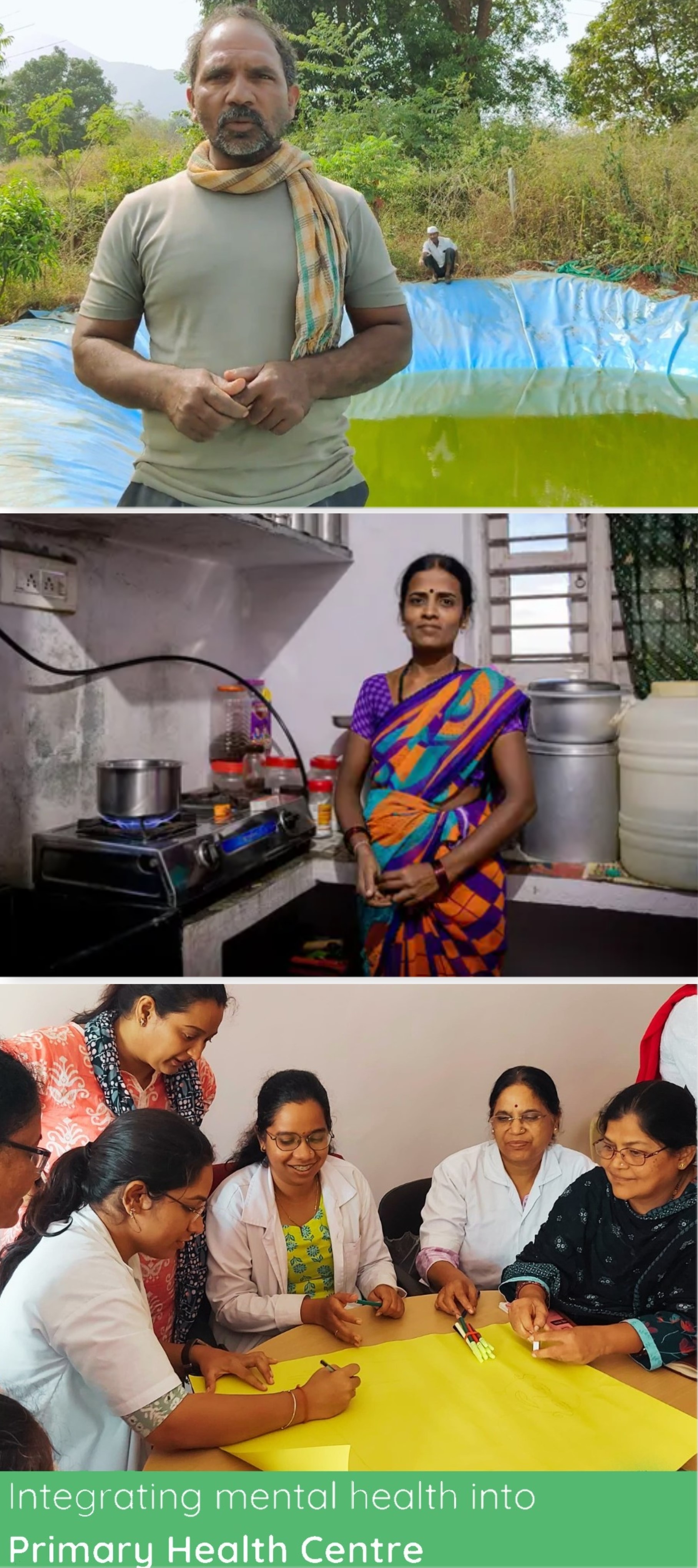 The impact is visible in everyday life. Women no longer have to walk long distances for water because solar-powered water ATMs ensure reliable, clean drinking water year-round. Farm ponds and watershed rejuvenation have enabled farmers to cultivate a second crop, increasing incomes and reducing migration.
Clean cooking fuel from biodigesters has improved indoor air quality, allowed slow-growing trees to regenerate, and reduced women’s drudgery.
Equally important, our Manosaarthi mental health initiative has reached over 2,000 people, helping them address the stress and uncertainty caused by environmental and economic pressures. When people feel supported, they take greater ownership of local resources. This integrated approach has resulted in stronger social cohesion, healthier families, and more confident communities shaping their own development.
You have also introduced solar energy projects in Rajgad. What is the positive impact of this project thus far?
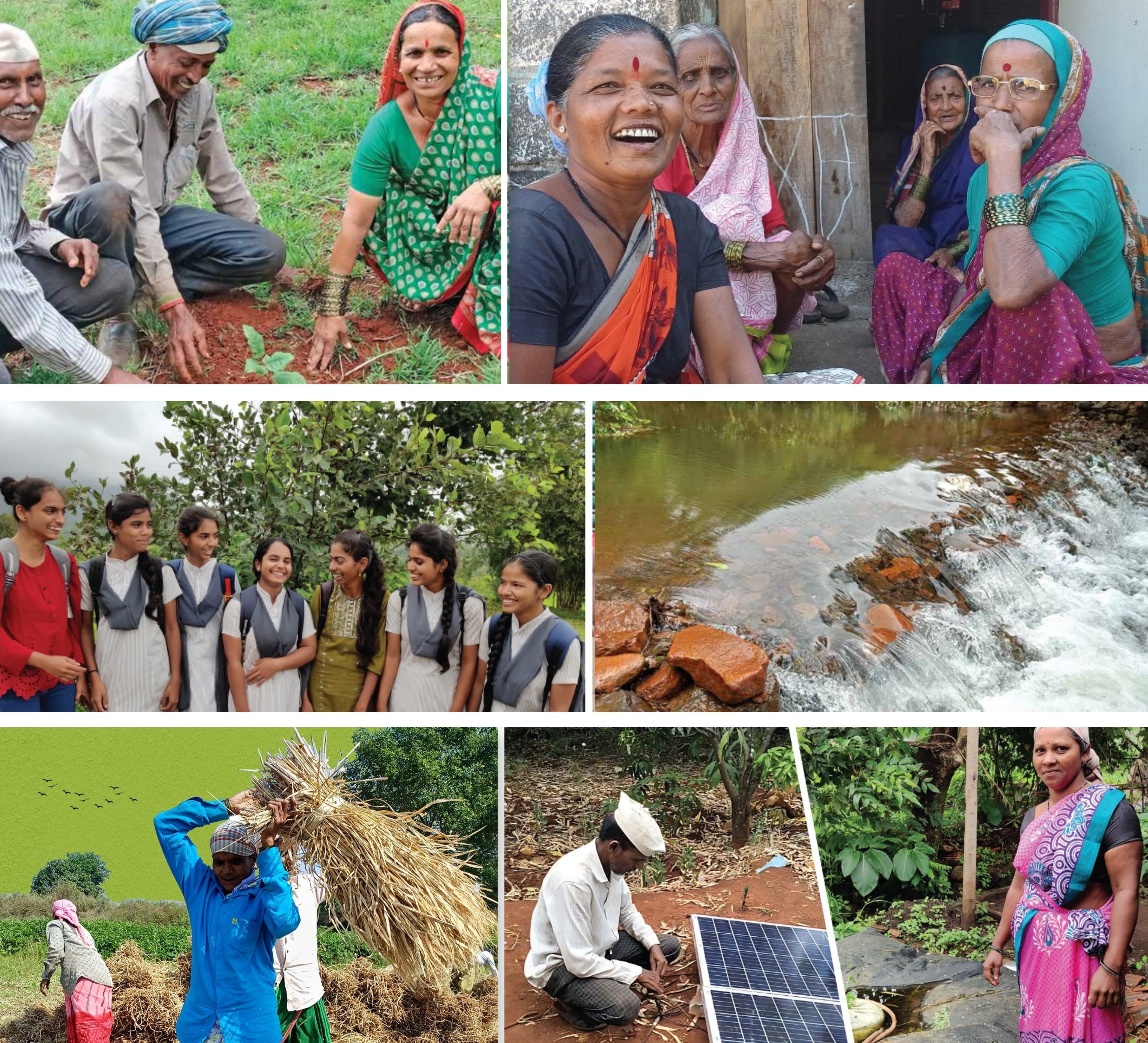
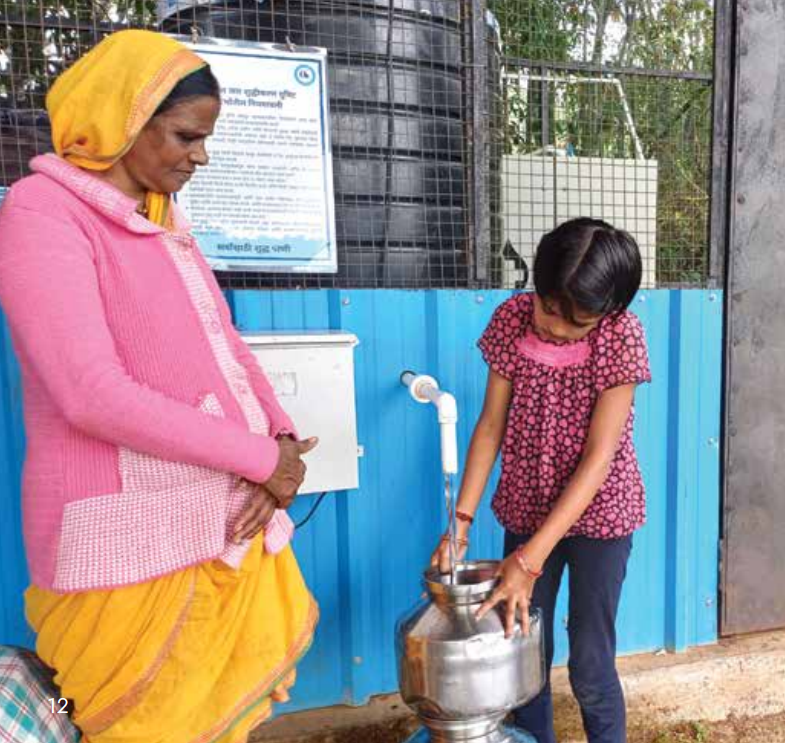 Our solar initiatives have been transformative. They power water ATMs, community filtration systems, and irrigation pumps, ensuring that clean water and reliable energy reach even the most remote hamlets. This has reduced dependence on diesel, cut carbon emissions, and lowered operational costs. For women, especially, solar energy has meant freedom. They now have more time for income-generating work, education, and family life, instead of hours spent collecting firewood or fetching water.
Beyond convenience, these projects have brought a sense of dignity and possibility. They demonstrate that renewable energy can be both a development tool and a conservation solution; lighting up homes and lives while protecting the environment.
What are some of the key takeaways from the Rajgad project?
One of our biggest learnings is that climate action must be rooted in patience. Building resilience is not about quick results; it is about slow, steady systems change. We have learned that the landscape itself should guide the intervention, not the other way around. Community leadership is essential. When people take ownership, outcomes endure long after external support ends.
We have also realised that true impact goes beyond statistics. While we measure farm ponds created, water harvested, and trees planted, the real transformation lies in how people feel: more confident, less dependent, and more hopeful about their future. These mindset shifts are what sustain the work and make Rajgad a replicable example for other regions.
Could you share a few stories of change and determination that best capture the spirit and impact of Raintree’s work in these communities?
 There are many stories that stay with us. In one village, a women’s self-help group now manages the solar-powered water ATM that serves their community. They handle maintenance, collect user fees, and use the proceeds to fund small local initiatives. This sense of ownership has completely changed the way the community views water. It is no longer seen as a scarce resource but as a shared responsibility.
Another is the story of a young man who had migrated to Pune for work but returned home after joining our biodiversity monitoring programme. Today, he runs a nursery of native tree species and leads the village’s Biodiversity Management Committee. His livelihood now depends on restoration rather than extraction, inspiring others to view the land differently. These are the transformations that reflect our belief in people-led climate action.
Our monitoring and documentation systems capture what works, why it works, and how it can be adapted elsewhere. In that sense, Rajgad is both a local success story and a working example of how one piece of earth, when cared for with balance between ecology and economy, can restore both nature and human dignity.
Every landscape has its own ecological and social character. How do you ensure that your climate-action strategies remain deeply rooted in local realities while still being relevant on a broader, global scale?
 For us, localisation and scalability go hand in hand. We start by deeply studying the natural and social fabric of each landscape, its hydrology, biodiversity, and culture, and spend time listening to the community before designing any intervention. The solutions that emerge are locally rooted, but the principles behind them — collaboration, integration, and long-term stewardship — are globally relevant.
Our monitoring and documentation systems capture what works, why it works, and how it can be adapted elsewhere. In that sense, Rajgad is both a local success story and a working example of how one piece of earth, when cared for with balance between ecology and economy, can restore both nature and human dignity.
Systems thinking enables us to identify connections that others might overlook. It helps us understand how changes in one part of the ecosystem can have far-reaching effects on others. By monitoring ecological, social, and psychosocial indicators collectively, we can adapt our approach proactively, preventing challenges from escalating.
You have often spoken about how even small interventions today can create a big difference tomorrow. How do you plan for and measure this kind of long-term transformation?
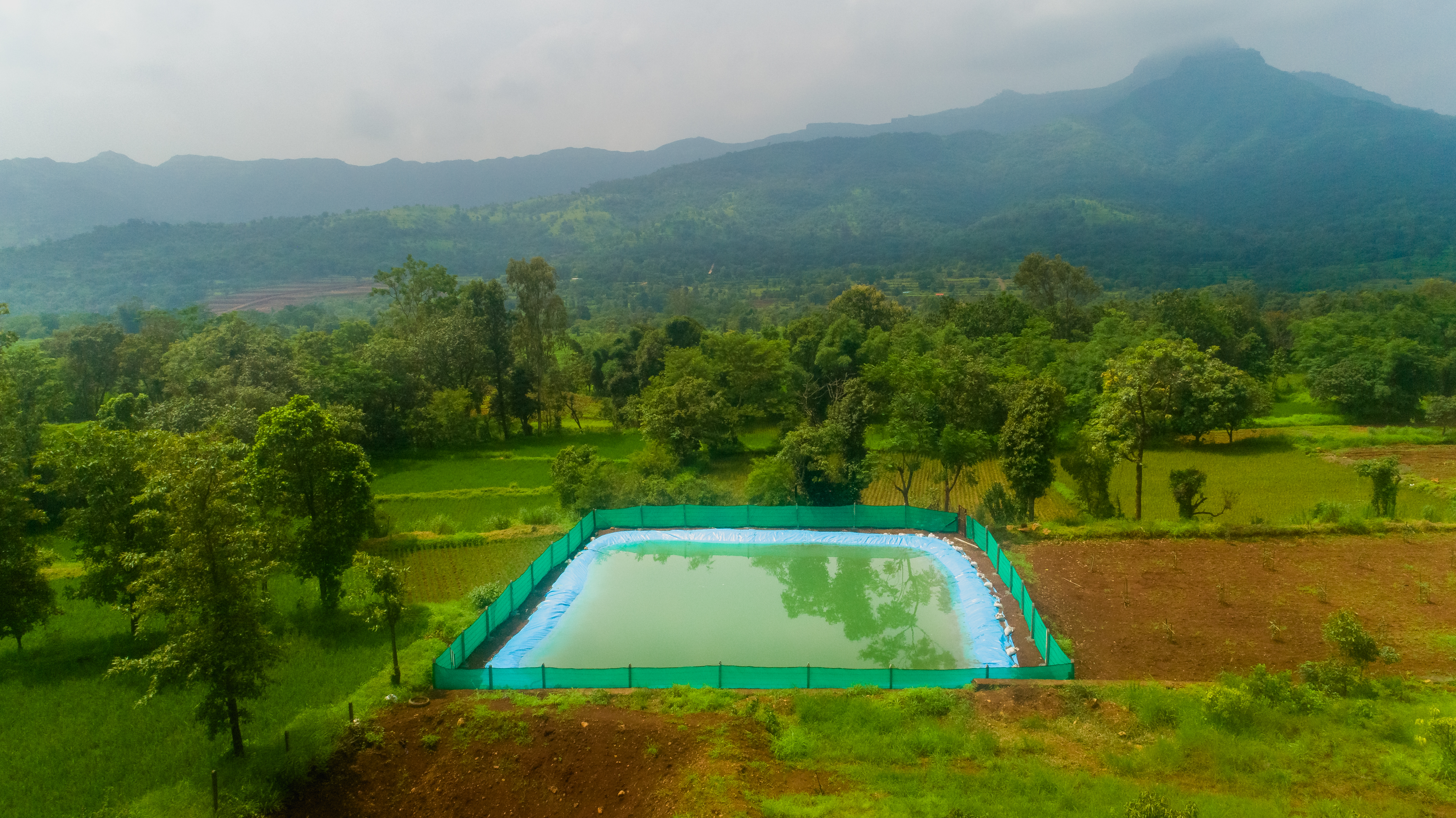 We see small interventions as the seeds of systemic change. A single farm pond may not seem significant, but when replicated across a watershed, it alters local hydrology. Similarly, a single solar ATM might serve a few households, but when communities learn to manage and maintain it, it strengthens governance capacity.
We measure transformation not only through numbers, but also through agency: Are local committees leading the work? Are women shaping decisions? Are youths returning to invest in their villages? These are the signs that change has taken root. Over time, these small steps compound into a resilient, self-sustaining ecosystem that thrives independently.
How does the systems-thinking approach help anticipate and plan for the long-term climatic and social outcomes of the various initiatives?
 Systems thinking enables us to identify connections that others might overlook. It helps us understand how changes in one part of the ecosystem can have far-reaching effects on others. For instance, improving water security can influence migration patterns, mental health can impact conservation efforts, and the adoption of clean energy can enhance forest regeneration. By monitoring ecological, social, and psychosocial indicators collectively, we can adapt our approach proactively, preventing challenges from escalating.
This mindset of interconnectedness is what sustains the work. It ensures that every intervention, whether a pond, a biodigester, or a counselling session, contributes to a larger vision of harmony between humans and nature, reinforcing resilience across generations.