


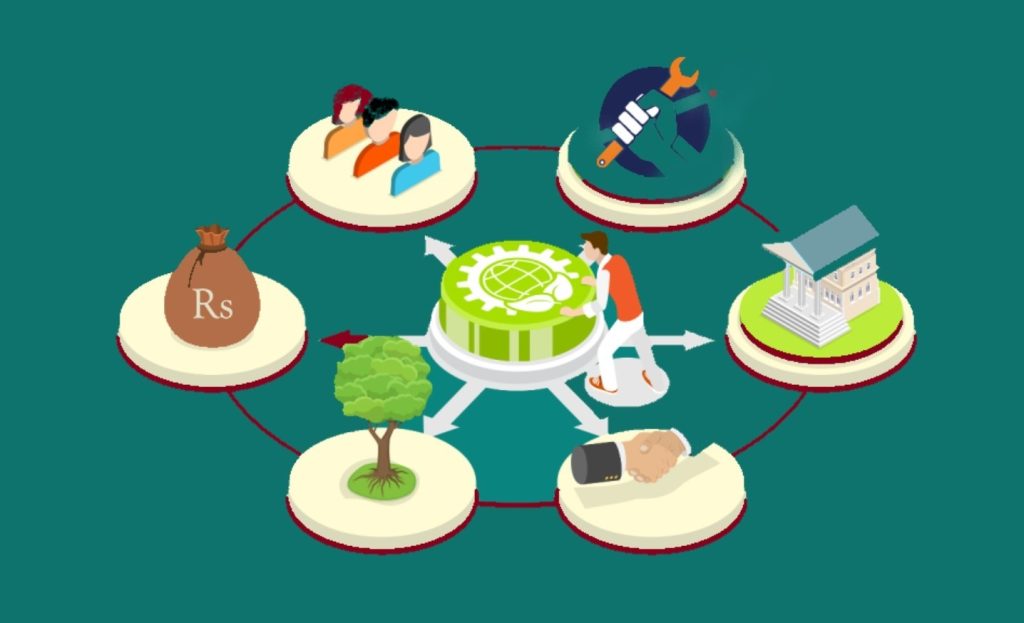
 Sunanda Rangarajan is the CEO of Omega Forum for Social Impact (OFSI).
Livelihoods typically form the foundation of empowerment, but they are not the end goal. True transformation occurs when individuals and their communities move beyond survival and into holistic growth. This transition is built upon targeted skill development, essential health knowledge, and digital access. Empowerment starts when an individual ceases to work solely for subsistence and begins to envision a brighter future for themselves and their families. Livelihoods, when coupled with meaningful engagement, are like twin pillars of “making a living”, which lead to a purposeful life. These elements promote holistic empowerment, especially when communities have access to knowledge and practices that increase their confidence, independence, and ability to shape their future.
Education: The Pivotal of Empowerment
Education is the cornerstone of empowerment. It is possibly the most powerful tool for expanding an individual’s range of possibilities. Its power is magnified when combined with practical life skills, digital literacy and health knowledge that prepare people for everyday challenges. While overall literacy has improved across the country, disparity still exists. According to the National Statistical Office (NSO) 2022 data, the rural female literacy rate is estimated at 50.6 per cent compared to 74.1 per cent for rural males, underscoring the need for targeted interventions. Against this backdrop, numerous private-sector and non-governmental efforts have leveraged education as a source of empowerment and change.
The strongest force driving change in rural communities is local entrepreneurship. In both villages and small towns across India, people, particularly women, are launching self-sustaining enterprises, meeting community needs, generating employment, and achieving self-sufficiency. As per the latest data from the Ministry of Micro, Small and Medium Enterprises (MSMEs), women-owned enterprises constitute approximately 20 per cent of all MSMEs, indicating a vast, untapped potential for inclusive growth.
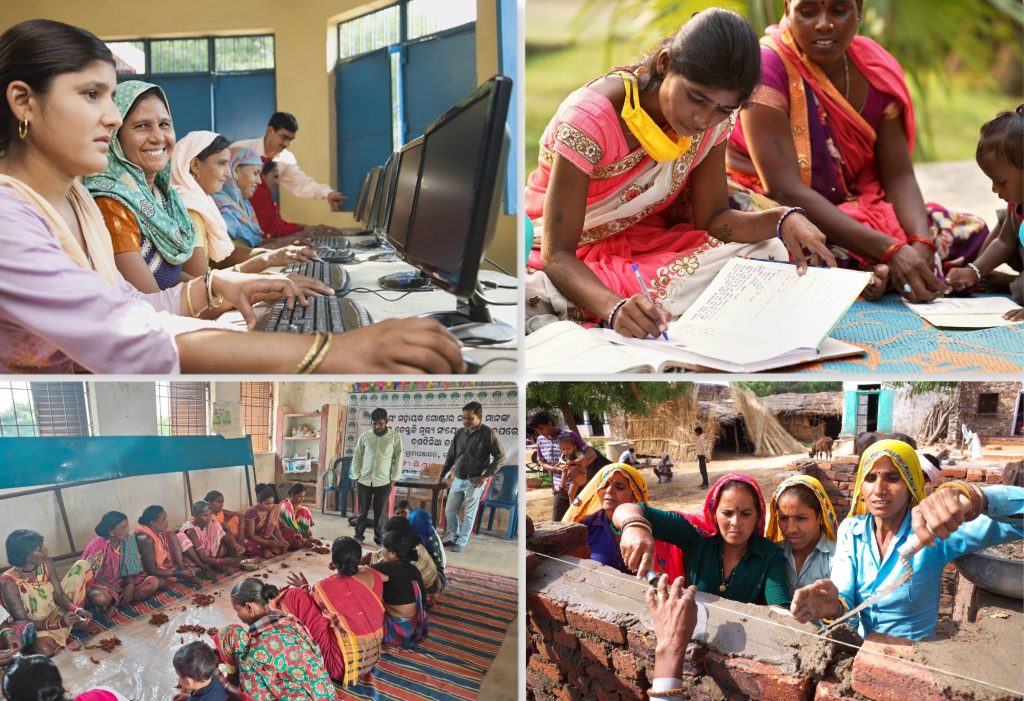 Education has recast the meaning of empowerment, whether through training programmes offered to young people and women, teaching them job-related skills, or through community-based learning. These efforts foster confidence, critical thinking, and social awareness. They are positively impacting families and communities in underprivileged and rural areas by bridging generational gaps and generating positive ripple effects. Efforts like this continue by helping people to grow with integrity, choice, and independence – without having to draw attention to the foundation itself by bringing knowledge closer to where people live and work. As people are taught to read, use technology, and apply new knowledge to the context of their everyday work, they not only change their own lives but also contribute meaningfully to the collective advancement of their society.
Entrepreneurship: Change from Within
The strongest force driving change in rural communities is local entrepreneurship. In both villages and small towns across India, people, particularly women, are launching self-sustaining enterprises, meeting community needs, generating employment, and achieving self-sufficiency. As per the latest data from the Ministry of Micro, Small and Medium Enterprises (MSMEs), women-owned enterprises constitute approximately 20 per cent of all MSMEs, indicating a vast, untapped potential for inclusive growth.
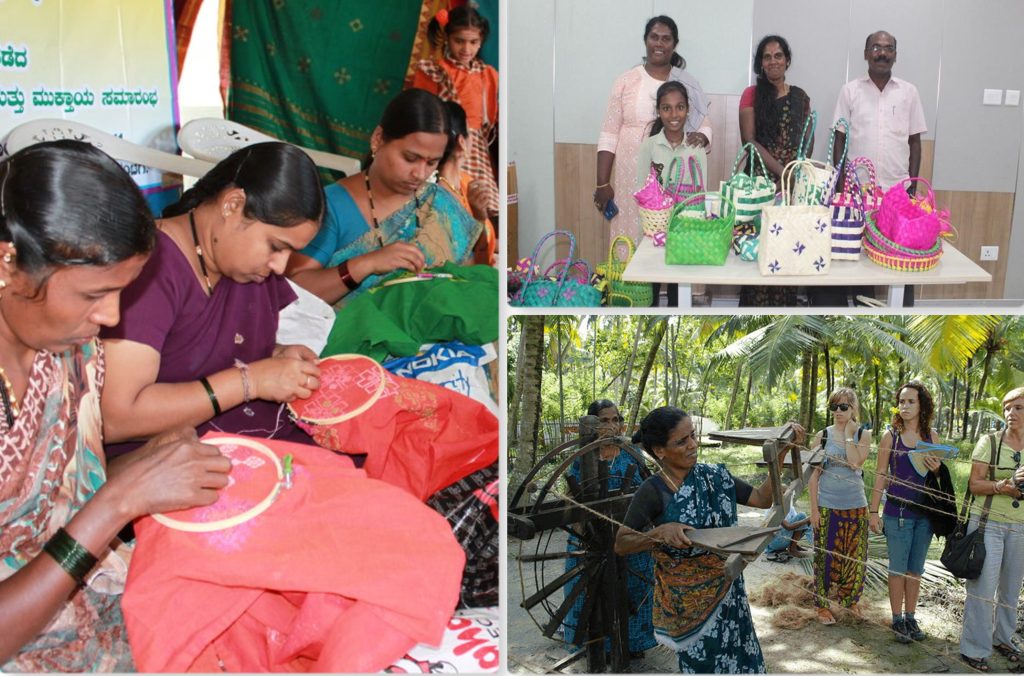
Whether it is micro-enterprises in agriculture, handicrafts, or rural tourism, these entrepreneurs are resilient and innovative. Rural entrepreneurship, spanning agriculture, handicrafts, and tourism, has also seen a surge through self-help groups (SHGs). As per the National Rural Livelihood Mission, there is significant potential to empower women through credit access and business skills within these self-help groups (SHGs).
Sustainability: Economy and Ecology
Sustainability is no longer just an ideal. For many communities, it is now a lived experience. Environmental stewardship is becoming part of local economic systems. Simple, community-led practices drive this transition. These practices weave ecological responsibility into daily routines. Organic farming now covers over 2.6 million hectares, making India the largest organic producer globally, reflecting how ecological choices are becoming mainstream in rural livelihoods.
Local initiatives across India are demonstrating how ecological balance and economic advantage can go hand-in-hand. Afforestation and waste management, water conservation, and organic agriculture are all examples of ecological balance and economic advantage that local initiatives demonstrate in India. The Mahatma Gandhi National Rural Employment Guarantee Act (MGNREGA) has been a key driver of this union. As per official data, MGNREGA’s works on water conservation and afforestation have generated over 3 billion person-days of employment, directly linking environmental stewardship with sustainable livelihoods and community resilience.
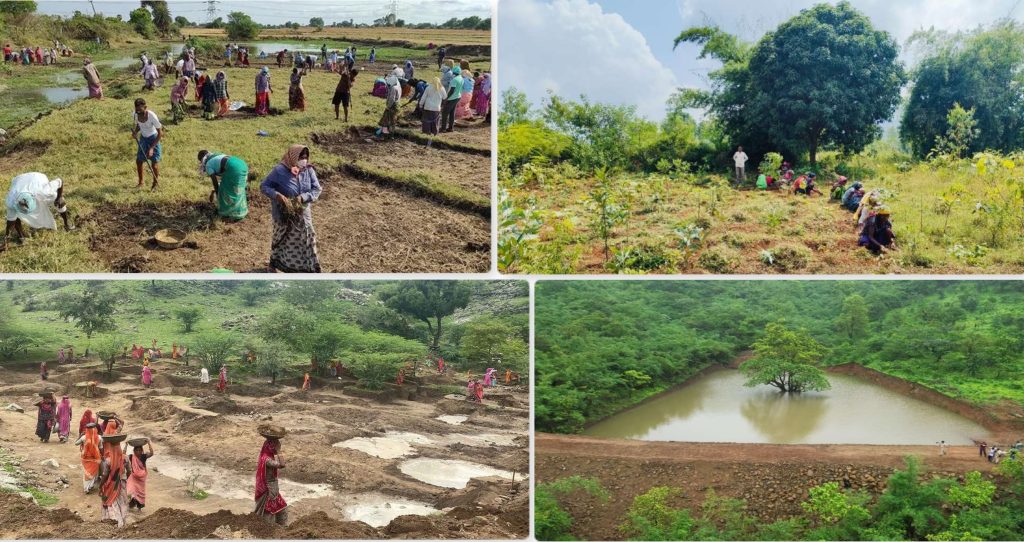
Such programmes reflect a crucial shift in mindset, seeing the environment not as a resource to be consumed but as a shared asset to be protected. When communities lead conservation efforts, they become stewards of their own future, ensuring that economic progress does not come at the cost of environmental health.
Development programmes are further improved and localised by community leaders and grassroots organisations that work with the people and the private sector. Partnerships of this nature may also provide sustainable and evidence-based solutions embedded in the context and experiences of the people being served, especially when communities themselves are involved in identifying needs and shaping solutions.
Teamwork: The Power of a Common Cause
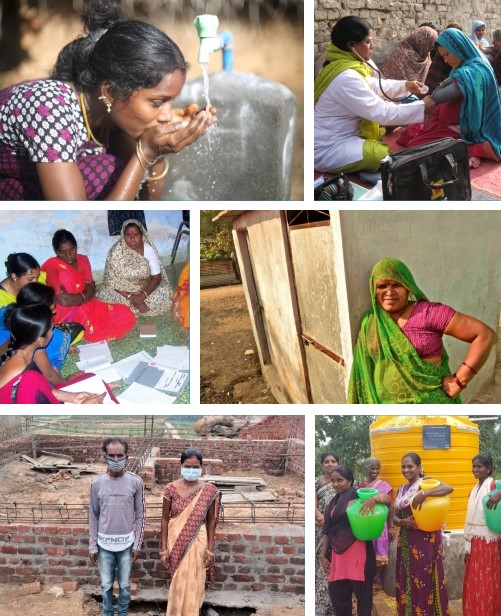 Meaningful, lasting change cannot be brought about individually. Inclusive development is propelled by partnership with local governments, NGOs, and businesses and utilises their resources, expertise, and experience in applying solutions to complex social issues.
Development programmes are further improved and localised by community leaders and grassroots organisations that work with the people and the private sector. Partnerships of this nature may also provide sustainable and evidence-based solutions embedded in the context and experiences of the people being served, especially when communities themselves are involved in identifying needs and shaping solutions.
Thinking Global, Acting Local
 Community-led development embodies the essence of the think global, act local philosophy. Aligned with the United Nations Sustainable Development Goals, local initiatives are turning global agendas for gender equality, quality education, and climate action into community-based developments in India.
These actions affirm that change in the world must start from the grassroots. Communities can not only continue to pursue the global agenda by embedding inclusivity and sustainability into local projects, but they can also become self-reliant and foster community pride, helped by access to the knowledge and tools that make global ideas practical at the local level.
By nurturing education, entrepreneurship, sustainability, and collaboration, we are paving the way for a future defined by opportunity rather than limitation. True empowerment is a continuous journey that builds voice, agency, and hope. When we trust communities to lead and invest in their vision, we plant the seeds of self-determination that will flourish for generations to come.
Grassroots Leadership and Empowerment
Empowerment thrives where communities lead. When people are equipped with the knowledge, skills, and confidence to take ownership of their development process, change becomes possible and sustainable. Grassroots leadership ensures that progress is authentic, reflects lived realities, strengthens local identity, and unlocks the collective power of people to shape their own destiny.
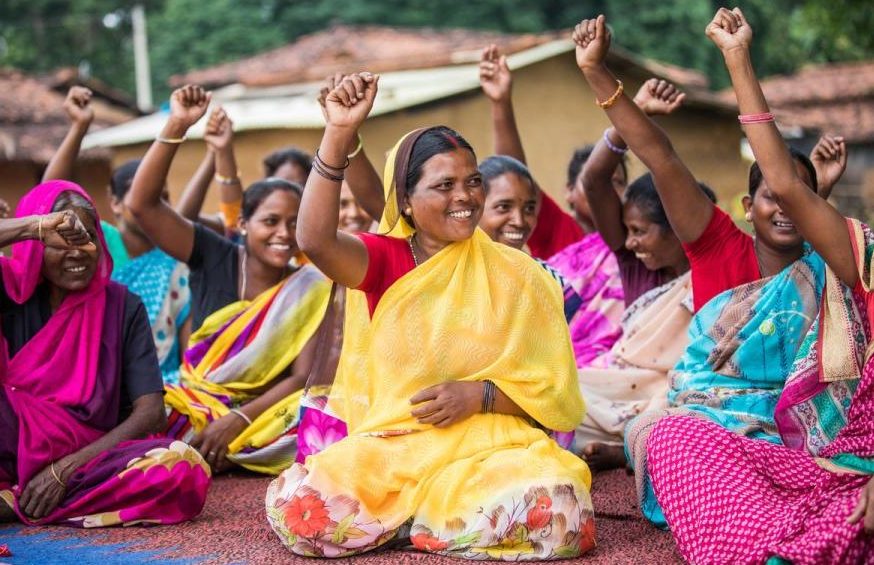 By nurturing education, entrepreneurship, sustainability, and collaboration, we are paving the way for a future defined by opportunity rather than limitation. True empowerment is a continuous journey that builds voice, agency, and hope. When we trust communities to lead and invest in their vision, we plant the seeds of self-determination that will flourish for generations to come.