

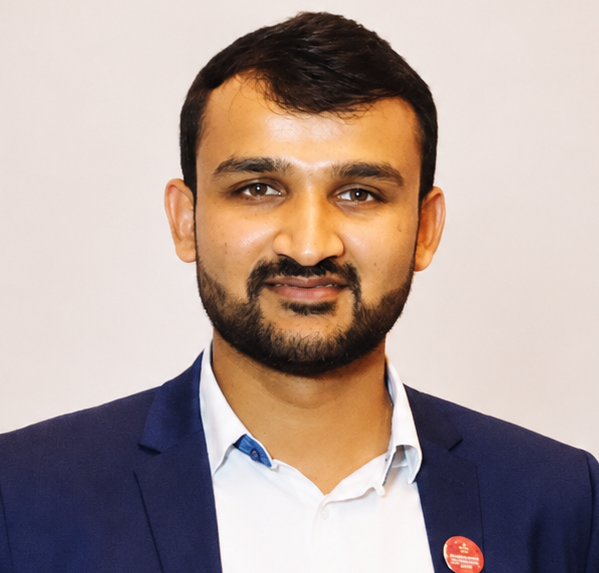
 Shriyans Bhandari is the Co-Founder of Greensole Foundation.
Resource scarcity and environmental unpredictability have transformed the traditional linear model of take-make-dispose into more than just an ecological issue, but also a strategic vulnerability. Every year, over 20 billion pairs of shoes are produced globally, and a staggering 90 per cent eventually find their way into landfills. They have been there for centuries, silently bearing witness to a manufacturing philosophy that considers the end of life as the end of value.
The transition from a linear to a circular economy is projected to be a $4.5 trillion opportunity by 2030, and at the heart of this transformation are social enterprises. These organisations are not merely doing well; they are pioneering a sophisticated industrial evolution that turns yesterday’s waste into tomorrow’s capital.
Profitability Through Circularity
For too long, people have framed sustainability as both a cost centre and a moral tax on profitability. Data-driven results are dismantling this outdated perspective. Recent industry insights indicate that companies integrating circular strategies into their core operations have seen profit margin increases of up to 23 per cent within three years. This improvement is not accidental. By treating waste as a resource, organisations reduce their dependence on volatile virgin material markets and insulate their supply chains from geopolitical disruptions.
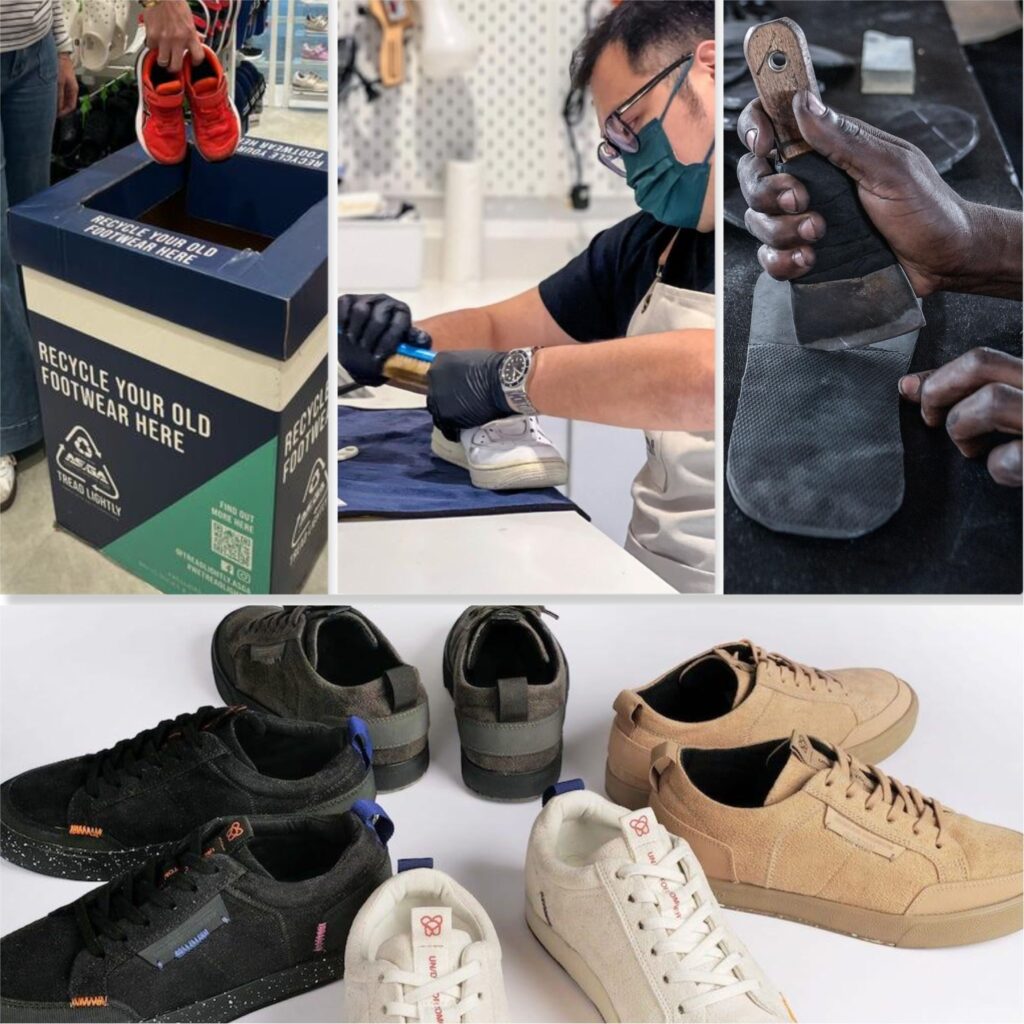 The upcycling industry is a primary example of this shift. What was once a niche artisanal market is now a robust sector. The global upcycled footwear market, valued at nearly $1 billion in 2025, is projected to grow at a CAGR of 9.5 per cent through 2034. This growth is driven by the fundamental realisation that waste is simply an asset in the wrong place. Enterprises not only recycle when they refurbish, discard, or upcycle a pair of shoes into a durable school bag, but they also enhance its value. They are extracting the maximum utility from every joule of energy and every gram of material already present in the ecosystem.
Such behaviour is a definition of efficiency. Scalability in this sector comes from the ability to standardise these upcycling processes, moving them from back-alley workshops to sophisticated, tech-enabled fulfilment centres that can process millions of units with the same precision as a traditional factory.
Leading a social enterprise means thinking ahead and seeing compliance as just the minimum standard. By choosing to use circular design principles, leaders are making their brands ready for the future. They are creating a space where the focus is on overall health rather than just small improvements. This proactive approach reduces risk and greatly enhances brand value.
Leading Beyond Regulation
As governments across the globe intensify their enforcement of Extended Producer Responsibility (EPR) laws and ESG reporting mandates, the most influential leaders are actively setting industry benchmarks that surpass current regulatory requirements.
Leading a social enterprise means thinking ahead and seeing compliance as just the minimum standard. By choosing to use circular design principles, leaders are making their brands ready for the future. They are creating a space where the focus is on overall health rather than just small improvements. This proactive approach reduces risk and greatly enhances brand value.
Sustainability as an Aspiration, Not a Sacrifice
The narrative of sacrifice is the most demanding challenge in the green transition. This is the thinking that to prioritise the health of the planet, people must compromise and settle for less. This thinking must change for a sustainable future to become a reality.
This view requires a marriage of traditional craft and modern design. The upcycled product of the future is not a repaired item; it is a refined one. It is a product with a story, a soul, and a design aesthetic that competes on any luxury stage. By choosing an upcycled product, a customer should feel as though they are choosing a product that is the pinnacle of modern design, not a product that is an inferior second-hand offering. By prioritising aesthetics, ergonomics, and longevity, social enterprises are elevating the bar for responsible consumption to a punk lifestyle choice.
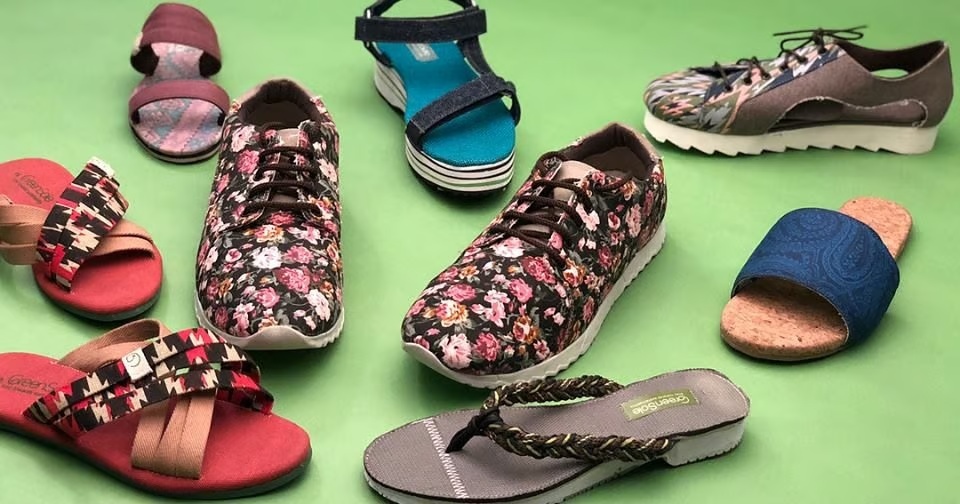
A single organisation cannot solve the waste crisis on its own. The new economy will largely depend on the social entrepreneurs who create opportunities to connect disparate worlds together. Combining high technology advancement with old-world craftsmanship is creating a new level of synergy.
Building Climate-Resilient Livelihood Ecosystems
True sustainability is impossible without inclusivity. Environmental degradation and social inequity are intertwined issues. Therefore, a holistic approach to upcycling must focus on building climate-resilient livelihood ecosystems.
Social enterprises are the most important link between global environmental goals and economic empowerment at the local level. The GreenSole Foundation best exemplifies this model, having spent over a decade perfecting the waste-to-opportunity pipeline. Since its inception, the Foundation has diverted hundreds of thousands of pairs of shoes and tonnes of textile waste from landfills, but the impact goes far deeper than environmental diversion. The Foundation has significantly changed the lives of over 8,00,000 beneficiaries across 23 Indian states.
The impact of this work is twofold:
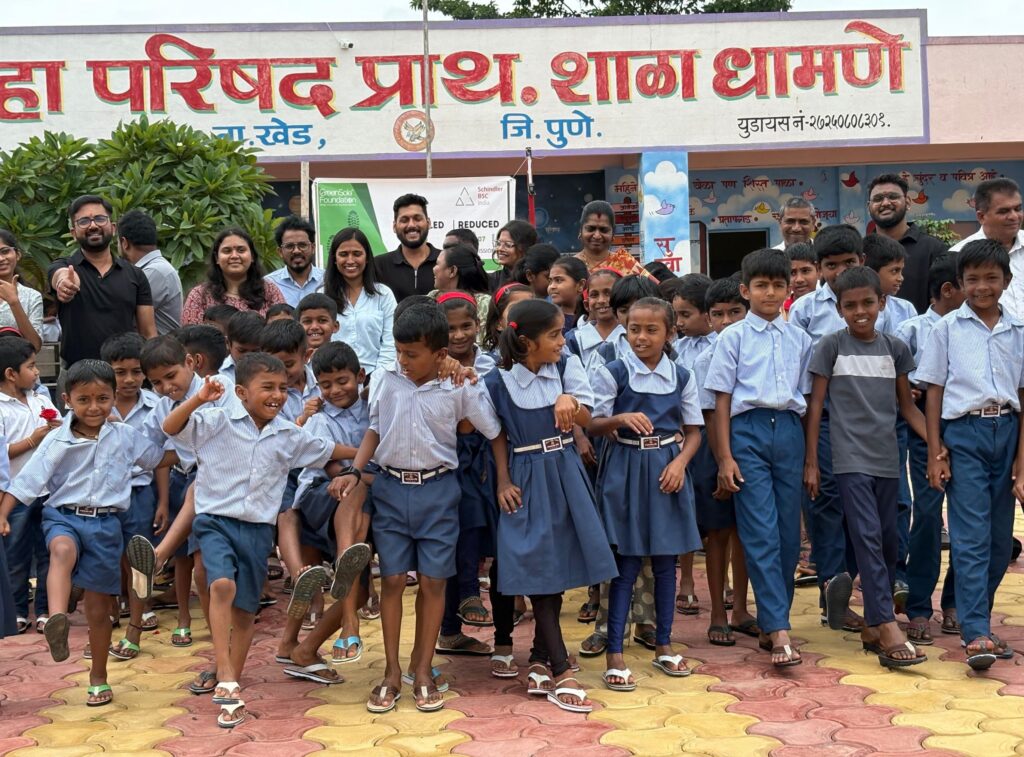 Health and Dignity: Millions of people who previously lacked access to basic footwear now have their dignity back thanks to the reuse and refurbishment of old shoes, which also helps prevent the spread of soil-transmitted diseases.
Economic Empowerment: The establishment of decentralised Skill Centres creates a robust and inclusive workforce. By 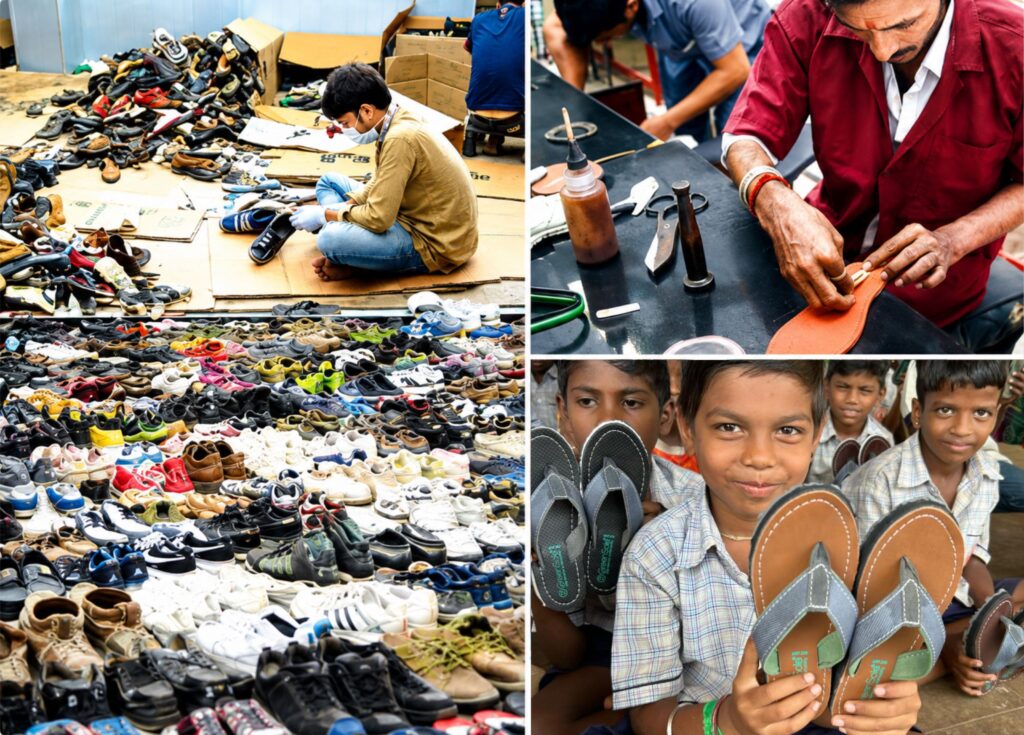 training individuals from disadvantaged communities in the art of refurbishment and the operation of modern upcycling machinery, GreenSole Foundation is creating a new class of green-collar jobs.
These roles are naturally resilient to the fluctuations of the global economy because they are rooted in local waste streams and local needs. Over the last ten years, this approach has scaled across India, demonstrating that a well-planned social enterprise can be as widespread and efficient as any multinational corporation.
The Power of Cross-Sector Collaboration
A single organisation cannot solve the waste crisis on its own. The new economy will largely depend on the social entrepreneurs who create opportunities to connect disparate worlds together. Combining high technology advancement with old-world craftsmanship is creating a new level of synergy.
Every purchase is an investment in a cleaner planet and a fairer society. To legislators and business executives, the mandate is equally urgent: do not wait for the right timing to implement green practices. The infrastructure for a circular future already exists within the networks of social enterprises that have been doing this work for years. The ultimate goal is a world where upcycling is not a separate category of business but the standard way we conduct all business.
Technology is playing a staggering role in this shift. Advanced sorting systems powered by Artificial Intelligence (AI) can now identify material compositions with 99 per cent accuracy, while blockchain technology provides every upcycled product with a digital twin; a permanent record that guarantees ethical sourcing and transparency. However, these solutions are only feasible when implemented at the grassroots level.
Enterprises like the GreenSole Foundation bridge the gap between corporate CSR capital and the artisans on the ground. When a tech giant provides the digital infrastructure and a social enterprise provides the operational expertise and community trust, the result is a scalable solution that can handle millions of units of waste annually.
Additionally, to demonstrate that many different social needs can be addressed by having multiple products under one umbrella, the organisation has expanded into creating apparel made from recycled materials as well as providing children with school supplies using the same recycled materials, including slippers, backpack-type bags created out of industrial flex material, and mats from the same industrial flex material. This holistic approach allows us to not only produce more items, but also produce superior items designed specifically to fulfil a greater cause.
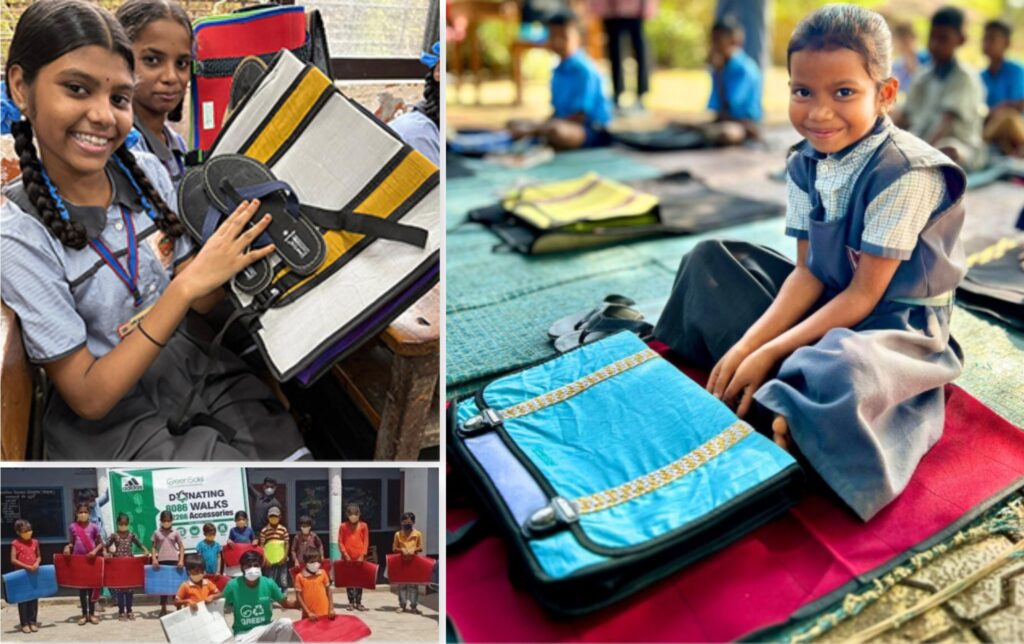
Social entrepreneurs are developing the roadmap for a greener future. Three critical considerations should define the next decade: radical transparency, limitless innovation, and unwavering inclusivity. The message to the masses is clear: your selection of upcycled products is a vote for a world without waste. Every purchase is an investment in a cleaner planet and a fairer society. To legislators and business executives, the mandate is equally urgent: do not wait for the right timing to implement green practices. The infrastructure for a circular future already exists within the networks of social enterprises that have been doing this work for years.
The ultimate goal is a world where upcycling is not a separate category of business but the standard way we conduct all business. Today, every product is designed to be reborn, every worker is valued, and every step we take leaves the planet better than we found it.