

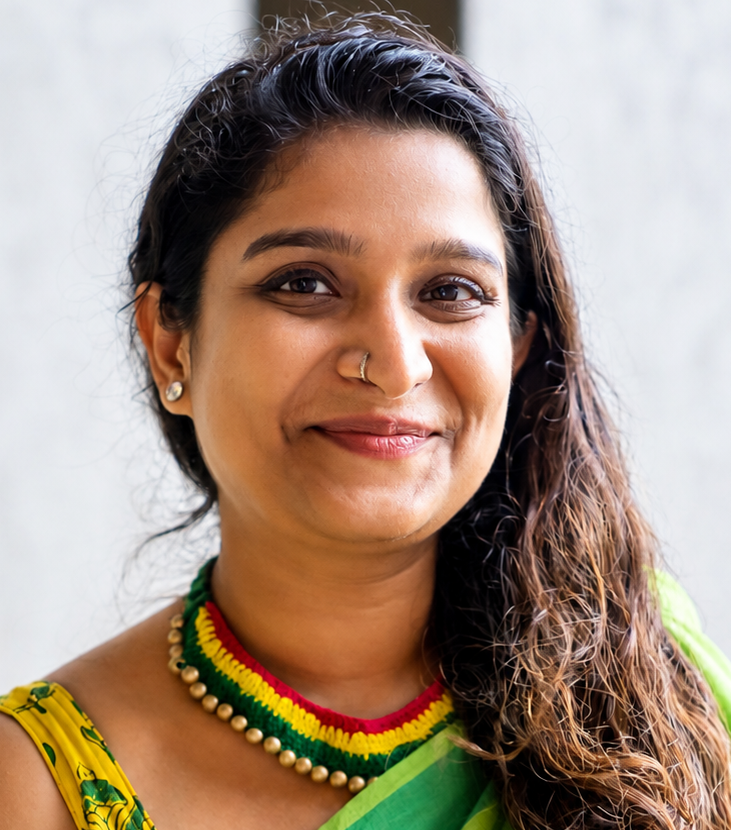
 Neha Gujar is Senior Manager – Recruitment, Selection and Program TFIx- Teach For India Incubation Programme.
I come from a Rajasthani family where I have witnessed, up close, the quiet suffocation of women’s dreams; dreams negotiated away under the heavy pressures of early marriage, restricted mobility, and deeply internalised ideas of a secured future. In these spaces, freedom does not disappear loudly. It fades in whispers.
As a woman born in India with over a decade of experience working closely with marginalised communities across both urban and rural contexts, my understanding of this issue is shaped deeply by ground realities. From teaching as a Teach For India Fellow in Mumbai’s slum communities to working across Tier-II and Tier-III cities, tribal and rural belts, I have had the opportunity to engage with the realities of marginalised communities in India. This article offers a poignant reflection on these lived experiences, offering a sneak peek into the real-life stories that underlie some of these sobering realities.
This article is not just a reflection. It is a continuation of a question that has followed me for the last three decades of my life: What does it truly take for a girl in India to be free?
Embedded in the diverse landscape of our social structure, a silent struggle persists, one that denies countless young girls the key to unlocking their true potential. This is not just an account 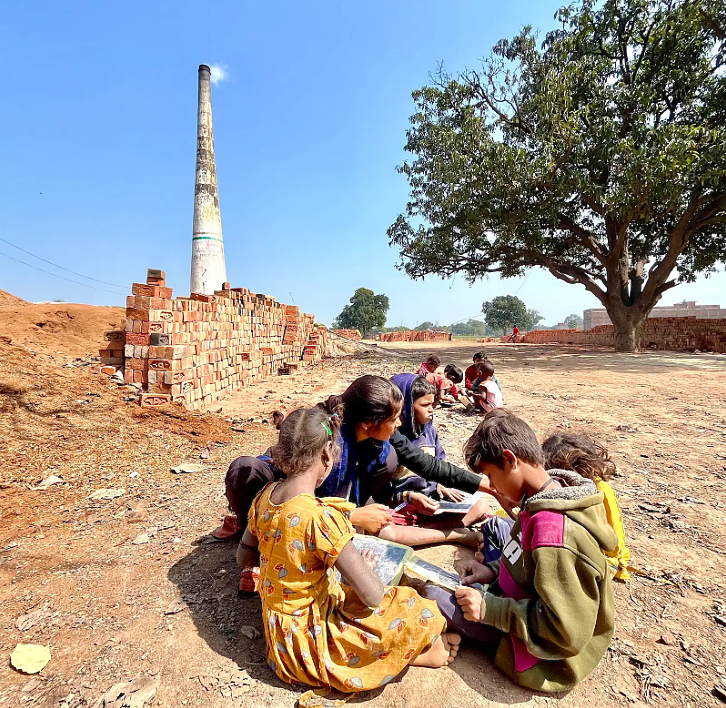 of personal experiences, but a glimpse into a small subset of 130 million out-of-school girls in India. The Sustainable Development Goals set by the United Nations provide an ambitious target to achieve in the next four years, by the year 2030. We aim to ensure universal primary and secondary education, with a focus on eliminating gender disparities globally. How deeply have the principles of SDG4 permeated our education policies and the lived realities of those I have worked with? To what extent have we translated global aspirations into local, transformative change?
At the intersection of gender and the systemic challenges faced by low-income communities, girls like Yagini experience a profound double marginalisation. Gender plays a significant role in shaping the roles they are expected to assume. Women in India struggle to break free from the daily expectations that further limit their opportunities and deepen their disempowerment.
At the heart of this account lies my mother’s story. Hemlata*, a powerhouse of potential in academics, sports, and arts, who relinquished her dreams due to early marriage, succumbed to societal pressures in a state known for its Balika Vadhus. Despite the unfulfilled aspirations, she invested her energy in raising me, imparting the values of freedom, ambition and societal change. She would always say, “Pursue your aspirations, dress the way you want to, embrace your freedom, because you are free! Don’t let anybody tell you otherwise.” The fire to kindle change was stoked by my mother’s unfulfilled dreams, halted by an early marriage. Her aspirations became the inspiration that motivated me to join Teach For India as a Fellow, steering my mission to serve those deprived of opportunities.
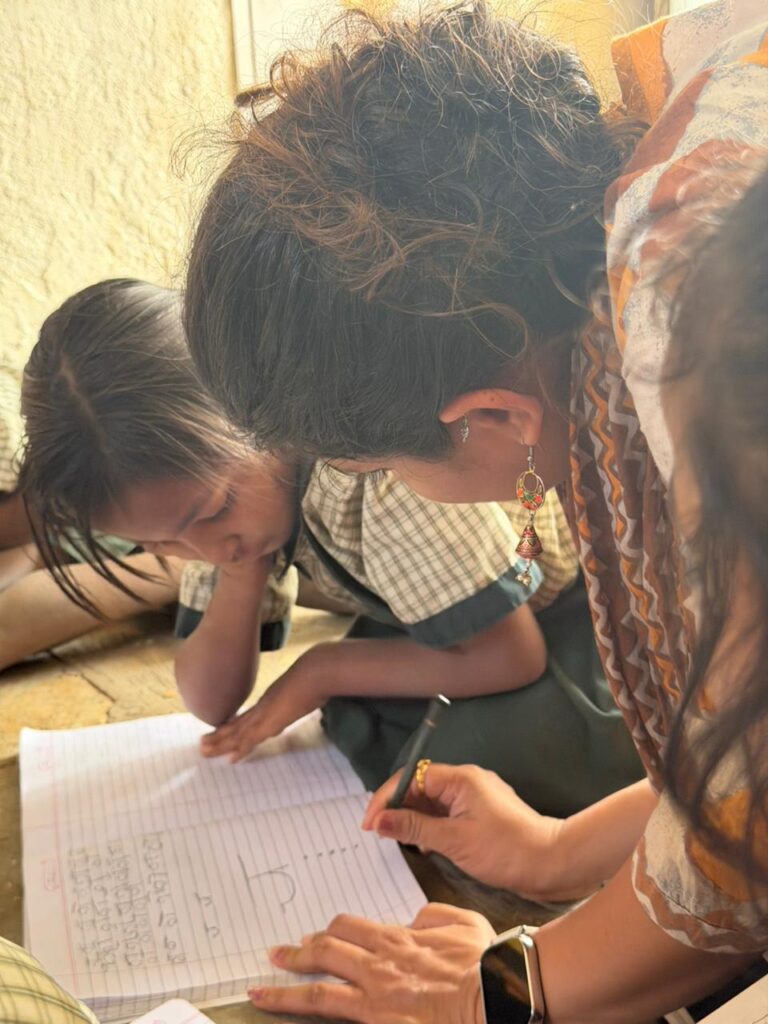 As a Teach For India Fellow and a teacher to 45 children from the slums of Worli, Mumbai, I encountered the stark realities faced by girls like Yagini*. At the intersection of gender and the systemic challenges faced by low-income communities, girls like Yagini experience a profound double marginalisation. Gender plays a significant role in shaping the roles they are expected to assume. Women in India struggle to break free from the daily expectations that further limit their opportunities and deepen their disempowerment.
One afternoon, Yagini did not attend classes. After repeated calls over several hours, her mother finally answered and said, “She has spoilt our name; I have lost all faith in her. We will get her married. She will not come to school anymore.” On further inquiry, I learned that Yagini had formed an innocent friendship with a boy during a recent visit to her native place and was simply chatting with him. For her family, this became a sign that they were losing control over her, and they decided to marry her off to prevent anything that might interfere with their responsibilities in the future.
What did Yagini have to say in all this? “Didi (sister, as she addresses me), I have so much more to learn and create in my life. I will do whatever my parents ask me to. Please get me out of these marriage discussions.” I was appalled at the consequences this 12-year-old had to face for a mere friendship. Gender plays a significant role in shaping the consequences of the girls’ everyday actions in India: they are quickly labelled, restricted, and punished. Women in India continue to struggle against the burden of honour they are expected to uphold for their families. It took a series of counselling sessions to change Yagini’s parents’ minds. Today, Yagini is in her final year of college, recently engaged, and also teaches children in her community.
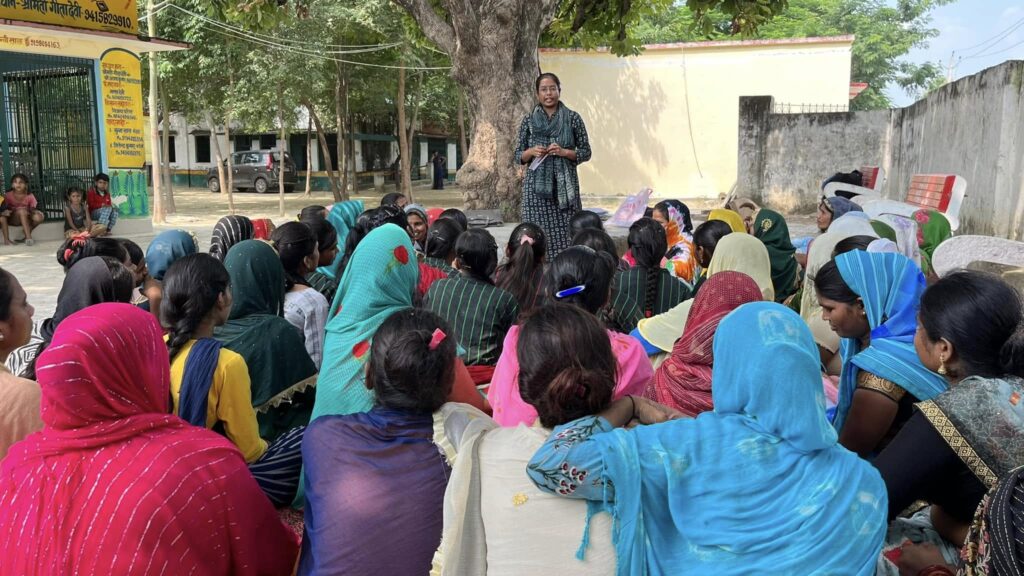 A few years ago, I transitioned to working in rural India in my new role as a Programme Partner at Teach For India. This allowed me to work closely with social entrepreneurs and grassroots organisations across the country, including leaders like Swati Singh, Founder and Director of Muheem, a thriving NGO in rural
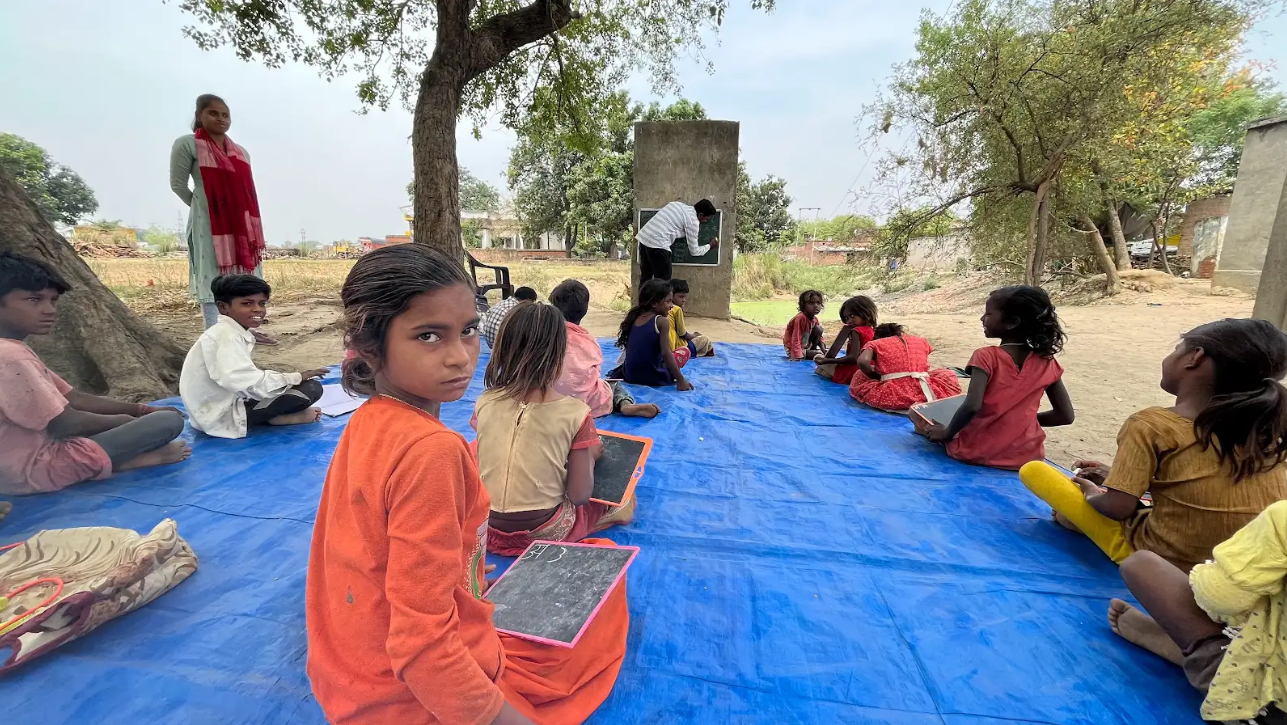
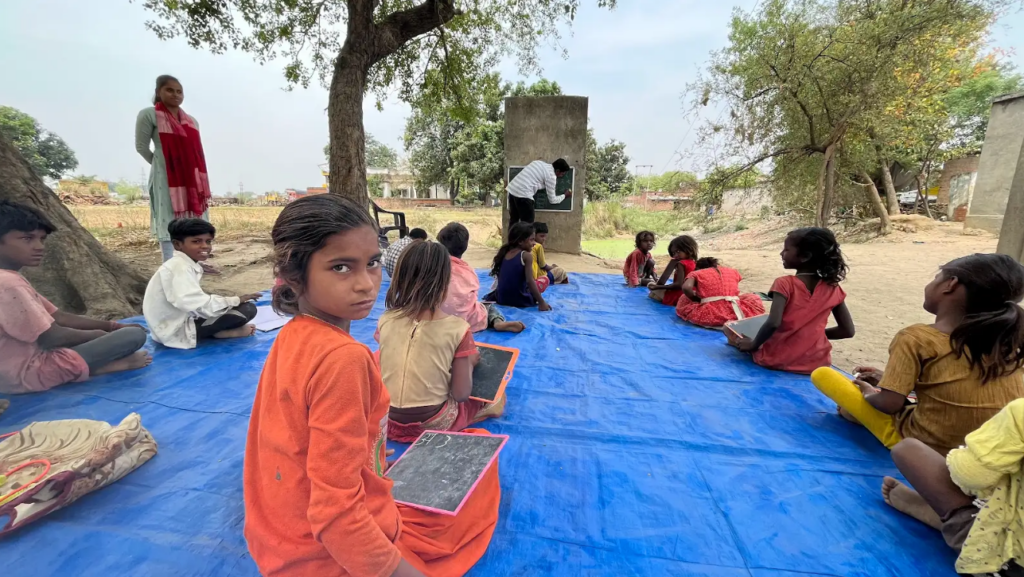
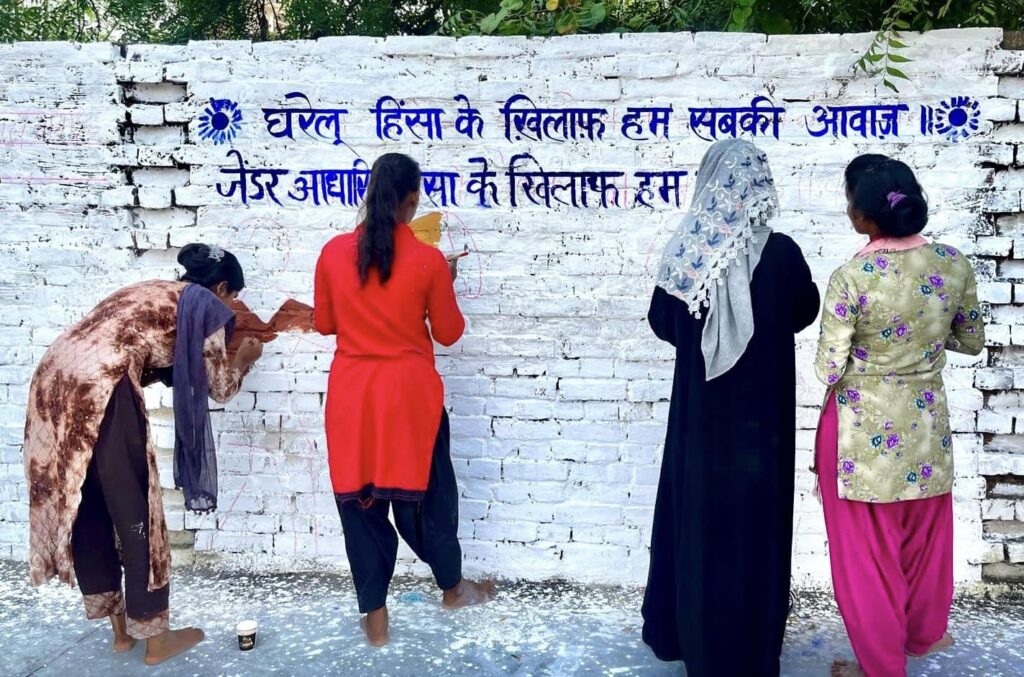 Uttar Pradesh. Muheem is challenging the status quo of inequity based on caste and gender while working closely with marginalised communities in Uttar Pradesh. One such community spread across several villages of Uttar Pradesh has an overall literacy rate of 3 per cent, plummeting to one per cent for women, as per the latest census. Picture this through Kavita’s* life. She is a 15-year-old who has never been to school. Growing up for her has been about household chores and safeguarding herself, ‘taaki woh gandhi na ho jaaye’ (So that she does not become impure), as per her family. Her parents contemplated early marriage, saying: “She’s grown up. We need to get her married before it is too late!”
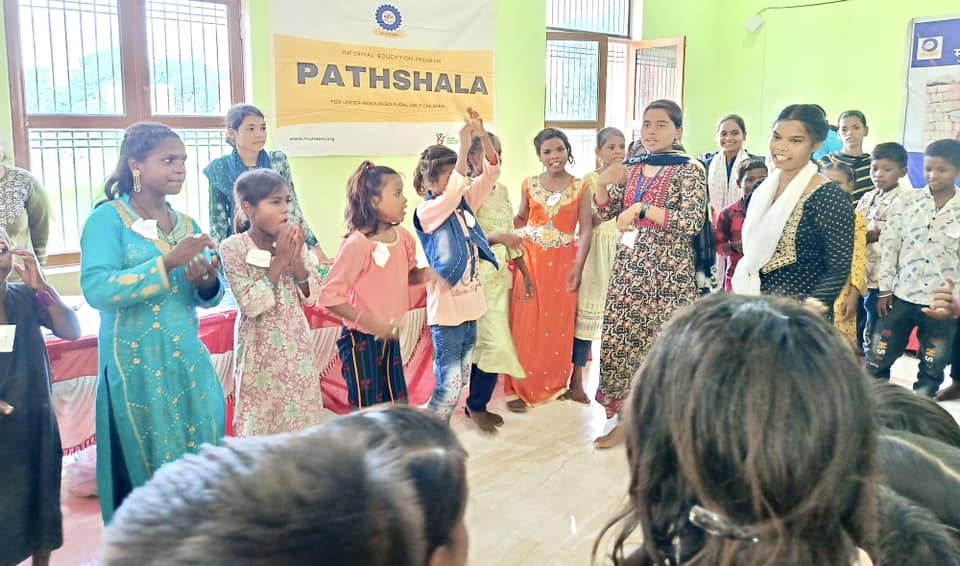
When Muheem launched its Paathshala Programme, a community-based open learning space, Kavita was among the first to enrol. There, she began learning to write her name and master basic arithmetic. Recognising her strengths in sports and leadership, Muheem appointed her as an Assistant Sports Teacher. As she began contributing to the family income, her parents decided to postpone plans for her marriage. Today, Kavita dreams of becoming a leader with Muheem, helping many more girls from the Paathshalas break free from the cycle of early marriage.
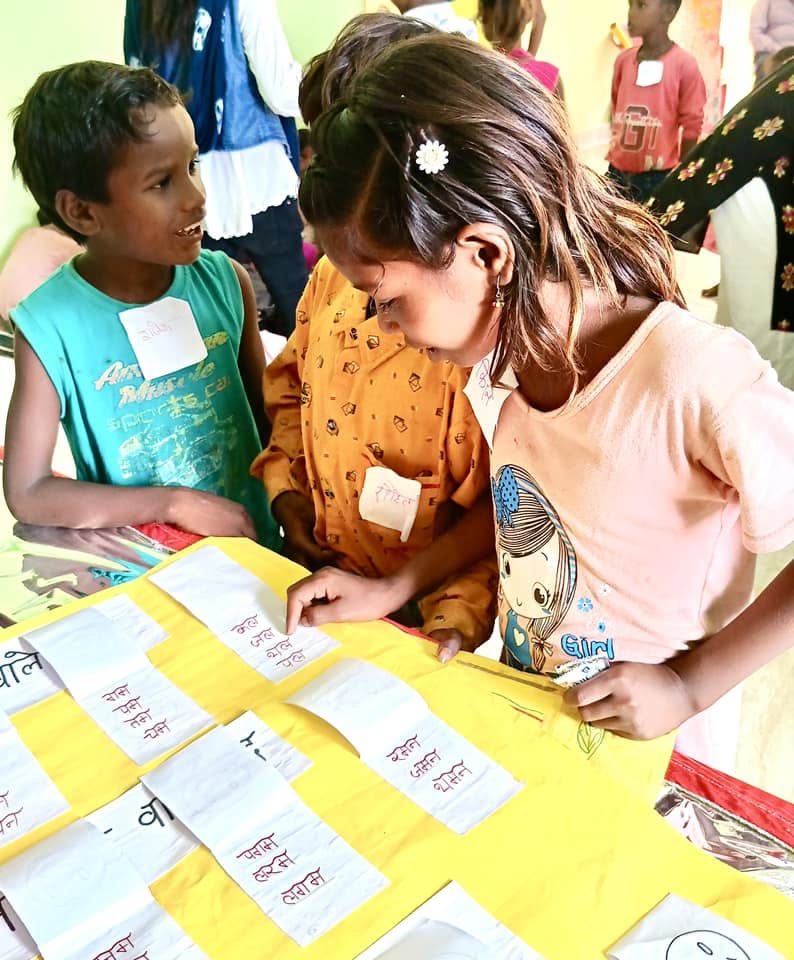
GramUrja takes an intentional approach to building leadership from within the community by recruiting daughters-in-law from the villages as Fellows. In many rural contexts, daughters-in-law face some of the greatest restrictions on mobility and decision-making. By investing in their leadership, the Foundation not only empowers them individually but also ensures sustained engagement within the community. Their rooted presence, relationships, and long-term commitment enable deeper trust-building and create change that is both continuous and locally owned.
In the drought-prone villages of Beed, Maharashtra, I met Sanju*, a farmer’s daughter whose life, like that of many girls around her, was expected to follow a familiar path. Married while still pursuing her education and soon a mother of two, she quietly set aside her studies. Yet something in her refused to settle. She often says, “Chunautiyaan sabke jeevan mein aati hain… lekin humein samadhaan ke baare mein sochna hi hoga.” (Challenges come in everyone’s life, but we must think of solutions.)
Her journey into the education sector began with a simple request: one chance to teach. Despite lacking formal qualifications, she built deep connections with children and the community in the village she moved to after marriage. Eventually, she joined GramUrja Foundation as a Local Fellow. As a teacher leader, she engaged with families, especially mothers, helping them slowly shift their beliefs about their daughters’ futures. She fondly remembers Priya*, a quiet girl who walked 3 kilometres to school but never spoke in class. Sanju refused to give up on her. Through patience and care, she helped Priya find her voice. A year later, Priya stood confidently on stage, among the top students in her class. Her parents, moved by this transformation, said, “Hum usse naukri lagne tak padayenge” (we will continue her education until she is independent and employed). In that moment, what changed was not just a child’s confidence; it was a family’s imagination of what their daughter’s life could be. And in places like Beed, that shift can change everything. Today, Sanju has helped ensure that young girls from Beed can pursue higher education at Symbiosis University.
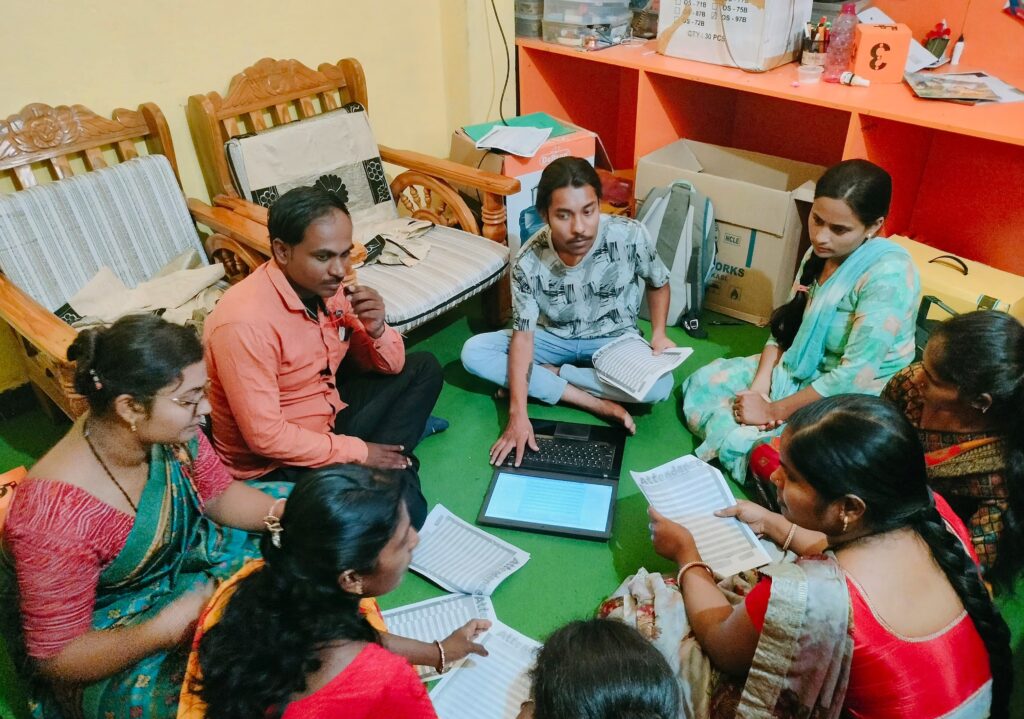
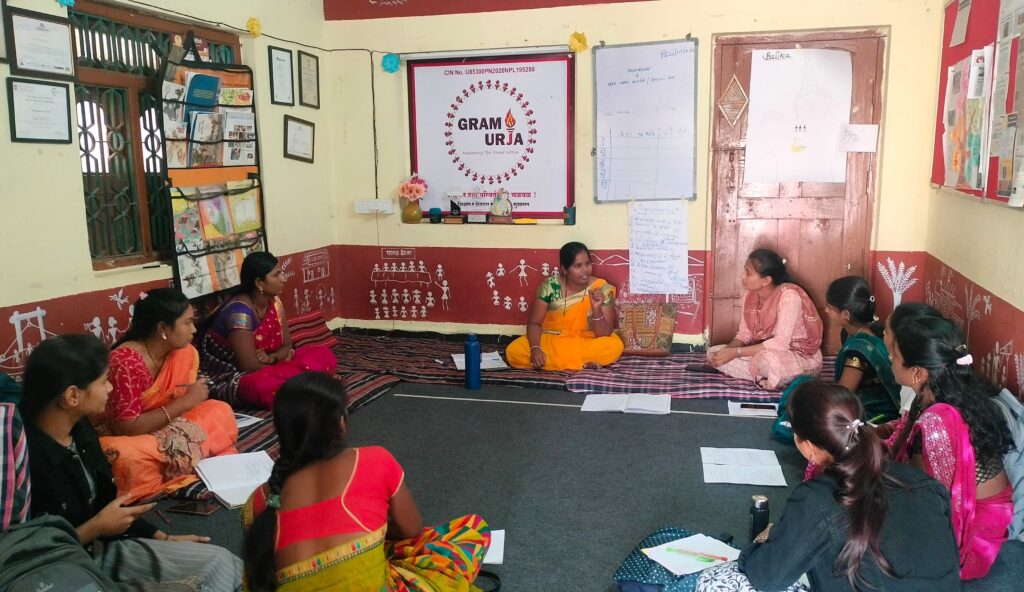
GramUrja takes an intentional approach to building leadership from within the community by recruiting daughters-in-law from the villages as Fellows. In many rural contexts, daughters-in-law face some of the greatest restrictions on mobility and decision-making. By investing in their leadership, the Foundation not only empowers them individually but also ensures sustained engagement within the community. Their rooted presence, relationships, and long-term commitment enable deeper trust-building and create change that is both continuous and locally owned.
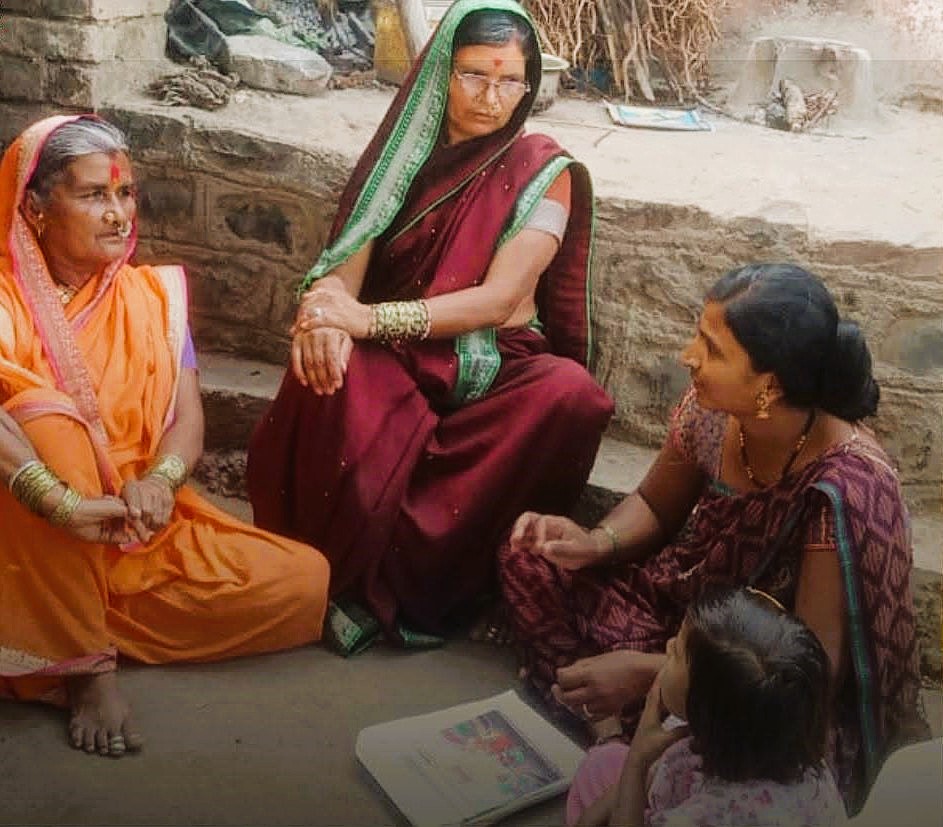 In a small village in Nanakmatta, Uttarakhand, I met Seema*, a young girl from the Tharu tribal community, where traditions run deep, and expectations for girls often run even deeper. Growing up, her world was shaped by limited opportunities and a schooling system that rarely moved beyond rote learning. When her family enrolled her in a school 12 kilometres away, it opened up a new world, but not without struggle. She remembers sitting in classrooms where the language, the pace, and
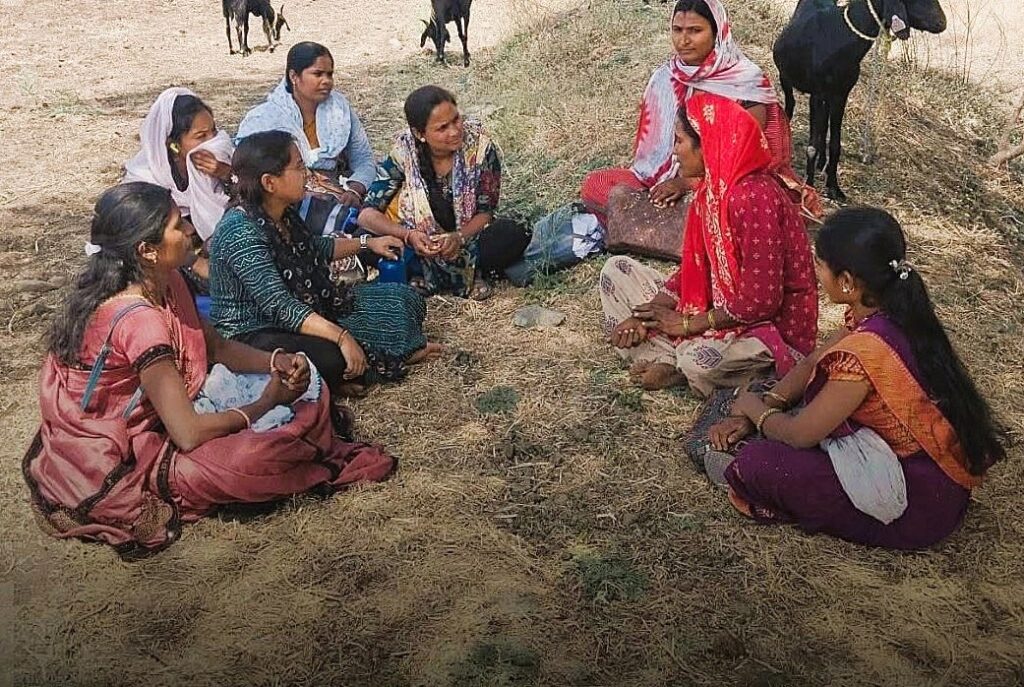 even the confidence of her peers felt unfamiliar. “It felt like a different world,” she once shared. For many girls like Seema, access to education is only the first step; the real challenge lies in navigating spaces that were never designed with them in mind.
What stands out in Seema’s journey is not just her persistence, but the way she reimagined what education could look like for those around her. During the pandemic, when learning came to a halt, she started a small community library in her village with just a few books. It was not easy; girls were discouraged from stepping out in the evenings, and her work was often questioned. But she continued, gathering children in open spaces and creating moments of learning where none had existed before. That one library grew into many, reaching over a thousand children through a student leadership peer network. In those spaces, beyond access to books, what truly transformed were conversations about education, freedom, and their aspirations. In communities where mobility itself is a barrier, Seema’s journey quietly challenged what was possible, not just for herself, but for every girl watching her step out.
From Hemlata to Yagini to Kavita, across decades and geographies, young girls in India are still battling to claim the right to choose their own lives. Their stories are not isolated incidents; they reveal the intersection of gender, caste, and socio-economic barriers that deny girls their fundamental right to education and freedom.
Change for girls’ education does not always begin with big policies or sweeping programmes. Instead, it often begins in small, human moments. It begins by choosing to have one honest conversation. It happens by offering one hour of learning a day. It takes root by believing that even a late start is still a start. This effort may feel small. It can seem almost inadequate against the weight of the problem, but sometimes, that is the feeling we must pay more heed to. That is precisely how change begins: quietly, imperfectly, and one girl at a time.
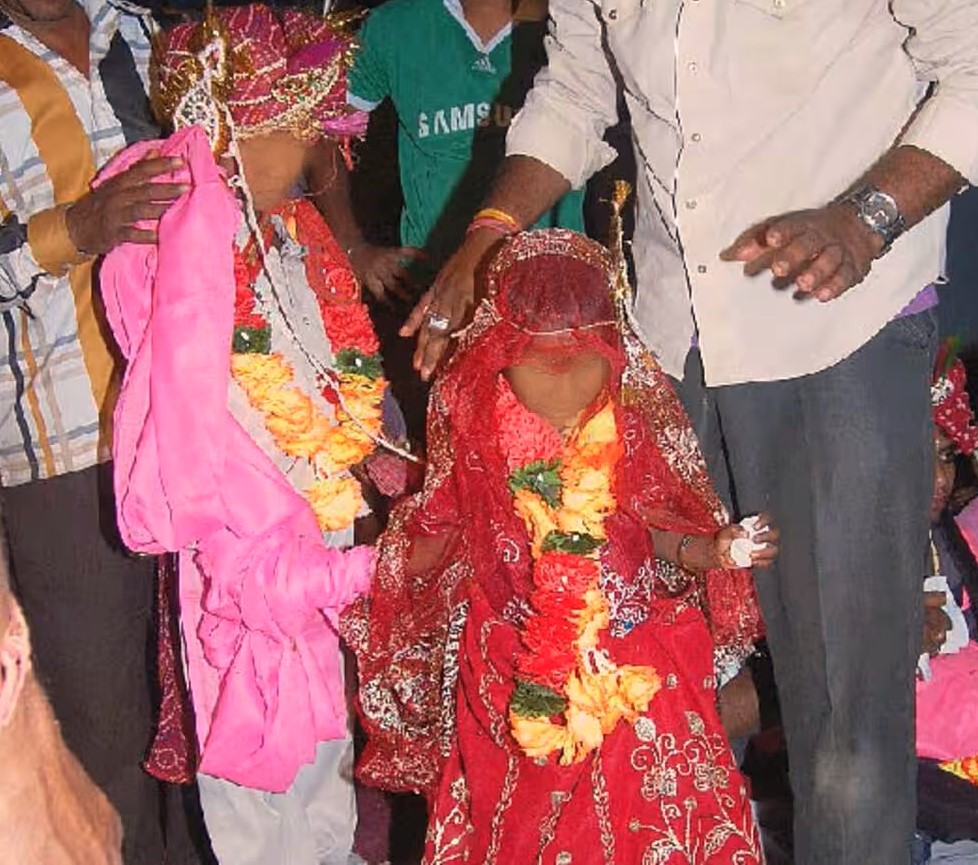 Women experience marginalisation and oppression, often oscillating between fear and grief. The prevalence of girl child marriage in India continues to be a significant concern. According to UNICEF, progress has been made towards achieving gender parity in primary education. However, challenges persist at higher levels of schooling, and dropout rates for girls tend to rise as they advance through the system. As per the 2011 census, the female adult literacy rate in India stands at 59 per cent. The stories woven through this narrative illustrate the struggles, triumphs, and untapped potential of girls in India. While urban and rural contexts differ, the common thread is the battle against societal expectations that threaten to stifle their dreams. What is also common in these stories is that these girls have a mentor who believes in them and empowers them to move forward, embrace their freedom, and access their rights. As we celebrate the victories of Hemlata, Yagini, Kavita, and myself, let these stories serve as a clarion call for action.
I recently found myself sitting with a quiet discomfort I couldn’t shake off. A 12-year-old girl, who had never seen the inside of a classroom, moved from working in the fields to working in homes in my neighbourhood. Her sister, who worked in our house, had brought her to the city as an extra hand to earn money. For this girl, moving from farm to household chores, childhood was measured in the hours of labour she could contribute. I felt a mix of helplessness and urgency. What right did I have to tell her family to stop when her earnings were helping them survive? And yet, what would it mean to say nothing at all? That tension stayed with me. It reminded me that change for girls’ education does not always begin with big policies or sweeping programmes. Instead, it often begins in small, human moments. It begins by choosing to have one honest conversation. It happens by offering one hour of learning a day. It takes root by believing that even a late start is still a start. This effort may feel small. It can seem almost inadequate against the weight of the problem, but sometimes, that is the feeling we must pay more heed to. That is precisely how change begins: quietly, imperfectly, and one girl at a time.
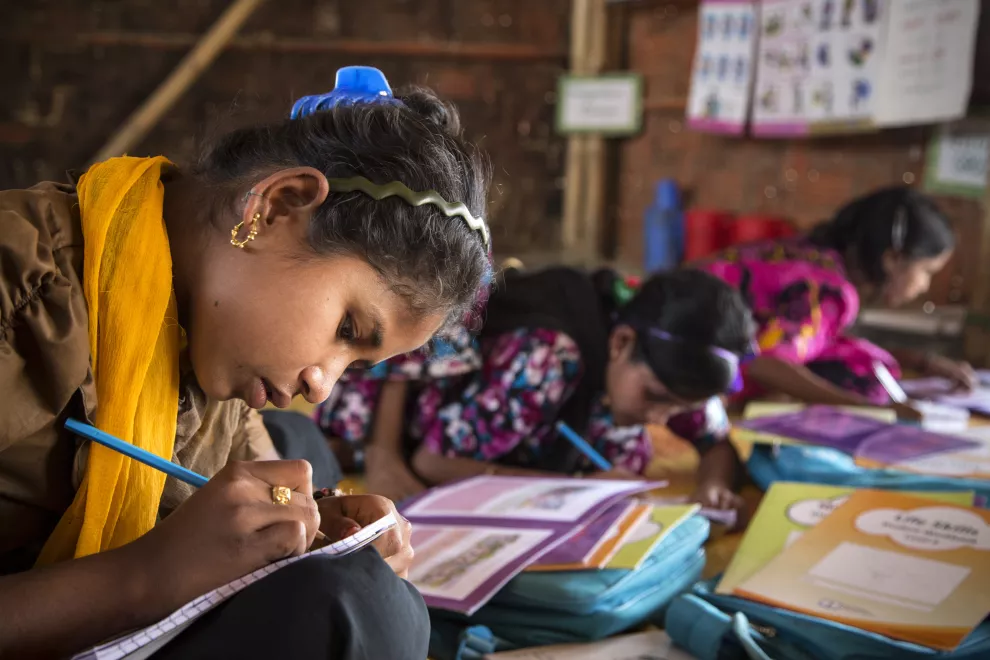
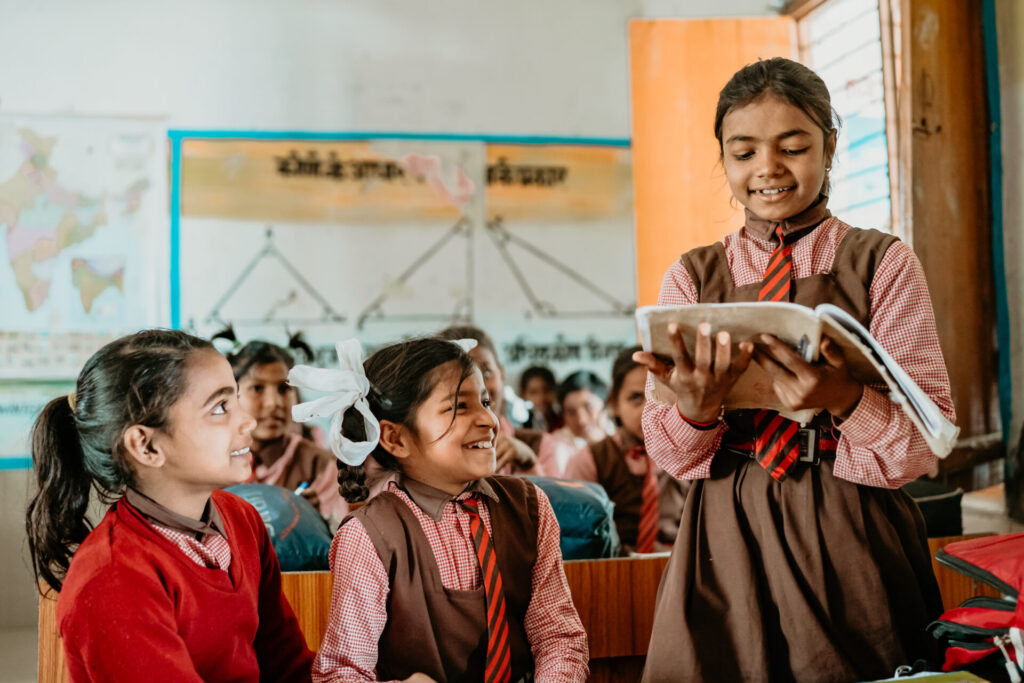
Girl child education is not just a moral imperative; it is an investment in a brighter, more equitable future. It is time to collectively strive for a world where every human, regardless of gender, caste, class, creed, or any other identity, has the opportunity to dream, learn, and lead.
The journey may be challenging, but the destination is one where every girl stands as a light of hope and change.
Support educational initiatives. Advocate for policies that prioritise girl child education. Together, we can dismantle barriers and build a future where every girl’s potential is realised.
*Names have been changed for confidentiality.