

 Chirag Gupta is the Vice President of the Institute of Management Studies at IMS Noida.
Corporate Social Responsibility (CSR) in India is undergoing a significant transformation. Earlier, CSR was often measured by the amount of money spent and the number of activities undertaken. Today, however, it is increasingly being assessed by outcomes, lasting change, and shifts in people’s mindsets. Yet one challenge remains inadequately addressed: how do we measure behaviour change, arguably the most valuable and elusive impact of any social programme?
We can count buildings. We can record attendance. But behaviour change demands a more sophisticated approach, one that combines data measurement, sustained engagement, and long-term observation.
According to data from the Ministry of Corporate Affairs, Indian companies have consistently allocated more than ₹25,000 crore annually to CSR activities. Nevertheless, research, including reports from NITI Aayog, suggests that many projects still rely heavily on output-driven metrics rather than on positive, enduring behavioural change. This gap is especially evident in interventions relating to women’s empowerment, sanitation awareness, healthcare engagement, and financial literacy, where the real measure of success lies not merely in awareness, but in whether people adopt and sustain new behaviours.
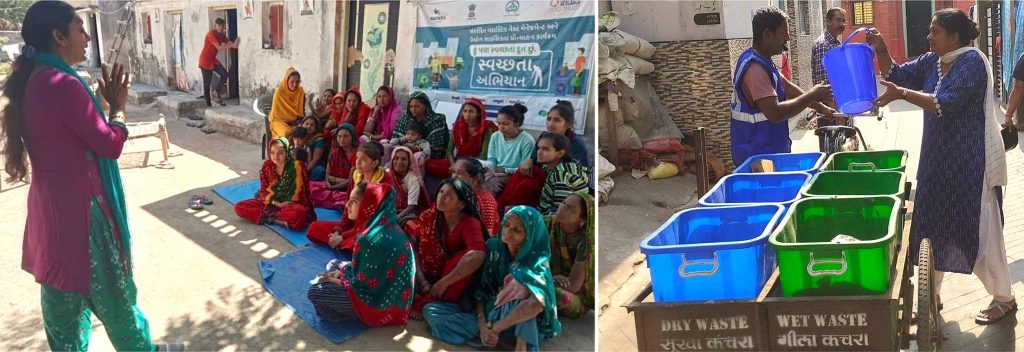
Traditional CSR frameworks tend to focus on numerical scale – the number of beneficiaries reached, sessions conducted, or programmes delivered. While these indicators are important, they rarely answer the deeper question: has anything truly changed?
At IMS Noida, which is celebrating twenty years of work in education and social development, the challenge of measuring behavioural change has become particularly salient. The institution’s community-oriented programmes have repeatedly demonstrated a fundamental truth: behaviour change does not emerge from isolated campaigns. It grows through consistency, trust, repetition, and community participation.
From Participation to Transformation
Traditional CSR frameworks tend to focus on numerical scale – the number of beneficiaries reached, sessions conducted, or programmes delivered. While these indicators are important, they rarely answer the deeper question: has anything truly changed?
Measuring behavioural transformation requires tracking:
- Adoption: Are communities practising new behaviours?
- Retention: Are these changes sustained over time?
- Influence: Are individuals encouraging change within their broader ecosystem?
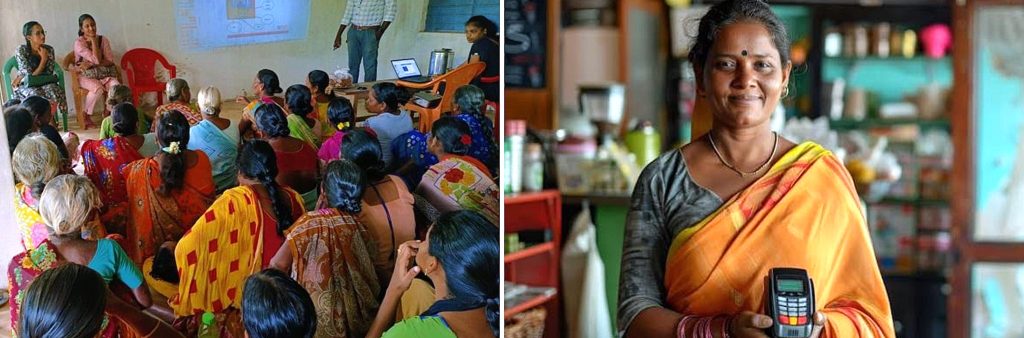 For example, financial literacy cannot be assessed merely by workshop attendance. The real indicators are whether individuals begin using formal banking systems, develop savings habits, improve financial decision-making, or transition towards digital financial behaviour.
This shift from activity-led measurement to behaviour-led evaluation is becoming essential to meaningful CSR.
According to a UNESCO study, when media is localised at the community level, it engages people more effectively because the content is relevant and reflects their realities. In this context, the true measure of effectiveness is not simply how many people are reached, but how consistently they remain engaged.
Community Radio as a Behavioural Ecosystem
One of the clearest examples of how behaviour can be measured and influenced is the community-led communication model.
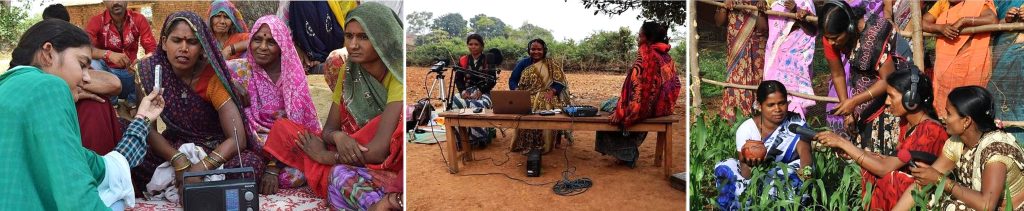
IMS Noida launched its community radio station, Salaam Namaste, in 2009 and received official permission in 2010, when community radio was still a relatively new medium in India. Today, the station, along with other communication programmes of IMS Noida, reaches an audience of 5,00,000–6,00,000 people each month. It remains one of the most established examples of participatory communication in the Noida-Ghaziabad region.
Unlike awareness drives that occur only once, community radio enables sustained communication. Through local-language narratives, repeated messaging, and storytelling that listeners find relatable, it encourages audiences to internalise behaviours rather than merely absorb information.

Over the years, the station has covered themes such as:
- Women’s Empowerment
- Sanitation Awareness
- Child Labour
- Adolescent Health
- Voter Awareness
- Girls’ Education
- Domestic Violence
- Healthcare Awareness
- Financial Inclusion
Its partnerships with globally recognised organisations such as UNICEF, UNESCO, BBC Media Action, the Election Commission, the Ministry of AYUSH, and NSDC demonstrate that community communication can go well beyond information dissemination to reinforce behavioural change.
The impact of Salaam Namaste has also been acknowledged through multiple awards and recognitions for initiatives in women’s empowerment, healthcare awareness, social outreach, and participatory communication. The Noida Authority also recognised the station as a “Pillar of Swachh Bharat” for its contribution to sanitation awareness and civic participation.
According to a UNESCO study, when media is localised at the community level, it engages people more effectively because the content is relevant and reflects their realities.
In this context, the true measure of effectiveness is not simply how many people are reached, but how consistently they remain engaged.
Behavioural measurement is especially critical in healthcare, where it often determines the success or failure of an intervention. One reason healthcare initiatives do not always deliver expected results is that people may have the information but lack the trust or motivation to sustain change. Community-led health awareness models are effective because they build familiarity and reinforce messages through repeated interactions.
Women Empowerment Beyond Symbolism
Changing people’s attitudes towards gender roles requires visible social reinforcement. Women-led recognition platforms and community engagement programmes have become increasingly important because they shape perception and aspiration while also strengthening participation.
This is what makes Swachh Bharat Mission-aligned initiatives such as IMS Noida’s Naari Leads Swachhta Awards especially relevant. The initiative is more than a ceremony; it acts as a psychological nudge that reinforces positive behavioural shifts and community participation. The recognition symbolises not only involvement in awareness campaigns, but also contribution to community-led sanitation through women-driven civic engagement.
Because they create visible role models within communities, such recognition-led models matter greatly.
Behavioural indicators in these interventions include:
- Increased female participation in leadership and civic engagement.
- Rise in women-led community initiatives.
- Greater participation in awareness campaigns.
- Shifts in local perceptions around women’s agency.
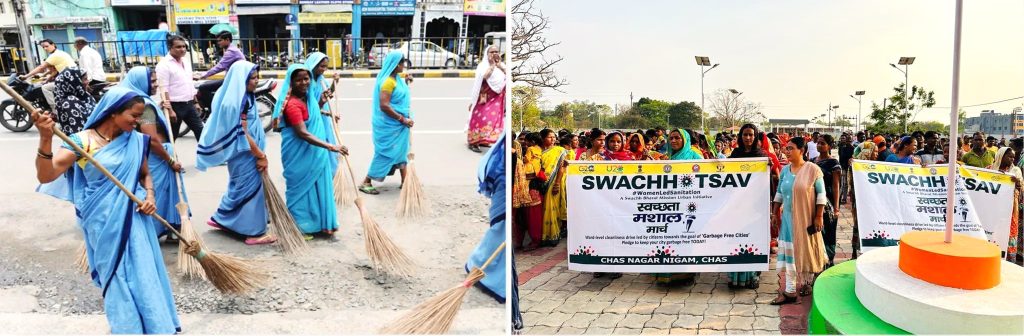
By bringing more women into the economic and social mainstream, the World Bank has noted that the development of entire communities can be significantly strengthened. Women, however, still face major behavioural barriers, including lack of confidence, social conditioning, and limited access to resources.
Recognition, storytelling, mentorship, and participation, when combined, create programmes capable of delivering behavioural outcomes far beyond simple awareness campaigns.
Behaviour change takes time, is shaped by context, and is challenging to measure. Yet it remains the clearest sign of social impact. As companies reshape their CSR strategies, they must shift their focus from effort alone to the results those efforts create. The initiatives described above can bring lasting changes in the way community members think, act, and engage.
Healthcare Awareness and Community Trust
Behavioural measurement is especially critical in healthcare, where it often determines the success or failure of an intervention.
One reason healthcare initiatives do not always deliver expected results is that people may have the information but lack the trust or motivation to sustain change. Community-led health awareness models are effective because they build familiarity and reinforce messages through repeated interactions.
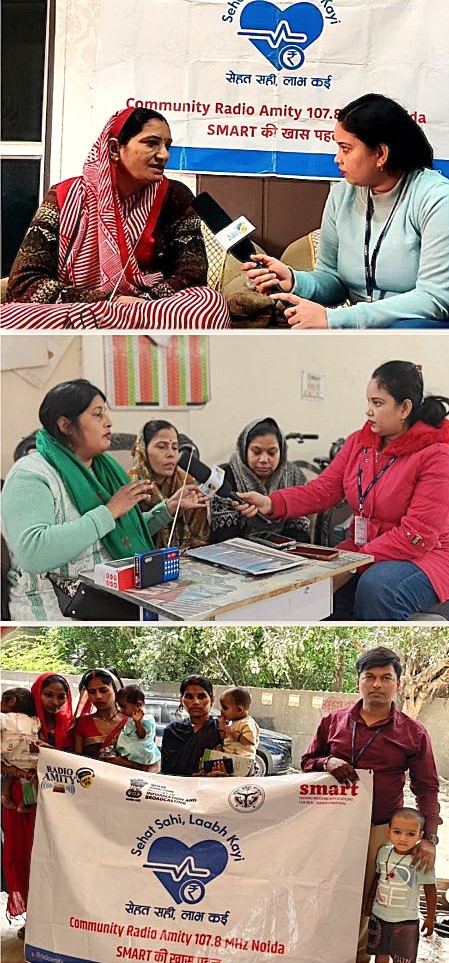 One such initiative, Sehat Sahi, Laabh Kayi, a collaborative effort involving consortiums, health clubs and local societies to raise healthcare awareness and empower communities, has connected thousands of individuals across communities.
Such projects may have visible reach in terms of the number of people they engage, but the final yardstick of a behavioural change initiative lies in the shifts it produces in a few key indicators, such as:
- Increased participation in preventive health discussions
- Improved awareness of healthcare schemes
- Regular community engagement
- Greater willingness to seek medical guidance
This reflects a broader CSR principle: people adopt behaviours more sustainably when communication is participatory rather than instructional.
As companies reshape their CSR strategies, they must shift their focus from effort alone to the results those efforts create. The initiatives described above can bring lasting changes in the way community members think, act, and engage. Ultimately, CSR succeeds not when projects are merely rolled out, but when people’s ways of life begin to change because of them. That is what makes impact truly measurable.
Why CSR Needs Long-Term Behavioural Measurement
The future of CSR measurement will increasingly depend on longitudinal thinking.
Organisations must move toward:
- Long-term behavioural tracking rather than one-time reporting
- Community feedback systems
- Mixed-method evaluation that combines data with lived experience
- Continuous engagement models rather than isolated interventions
Most importantly, CSR must move from visibility-led campaigns to trust-led ecosystems. The most impactful initiatives are often those that become embedded in everyday community behaviour.
Measuring What Truly Matters
 Behaviour change takes time, is shaped by context, and is challenging to measure. Yet it remains the clearest sign of social impact.
As companies reshape their CSR strategies, they must shift their focus from effort alone to the results those efforts create. The initiatives described above can bring lasting changes in the way community members think, act, and engage.
Ultimately, CSR succeeds not when projects are merely rolled out, but when people’s ways of life begin to change because of them. That is what makes impact truly measurable.