

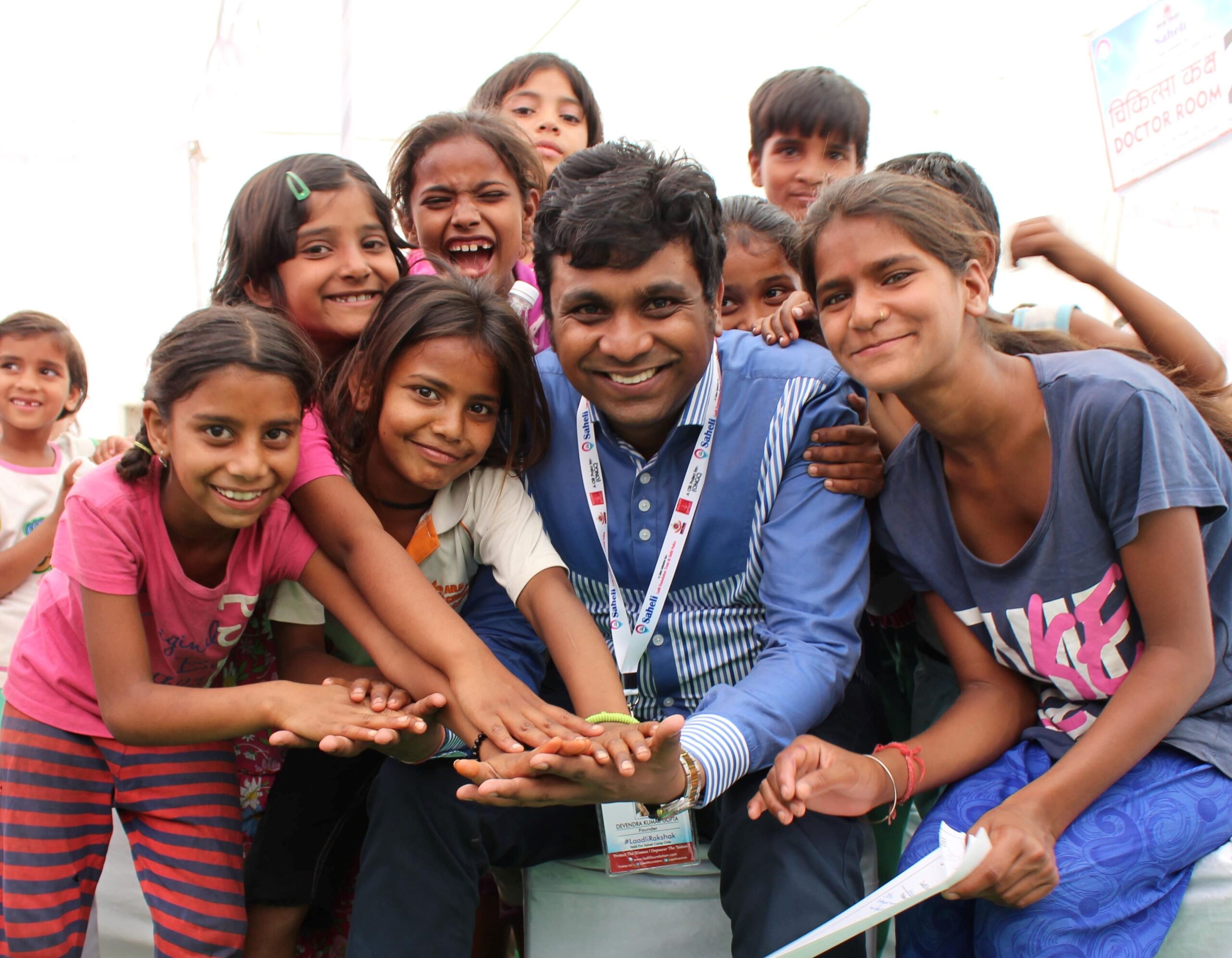
 I was born in a place where survival mattered more than dreams. In a crime-ridden slum in Delhi, life moved to the rhythm of uncertainty. Hunger was a constant presence, and fear was never far away.
When my parents abandoned my infant sister and me, I was just two years old, too young to understand what had happened. I could not have imagined how deeply that moment would shape the course of my life. But as the years passed, one truth became clear: if I did not learn to support myself, life would show little mercy to either of us.
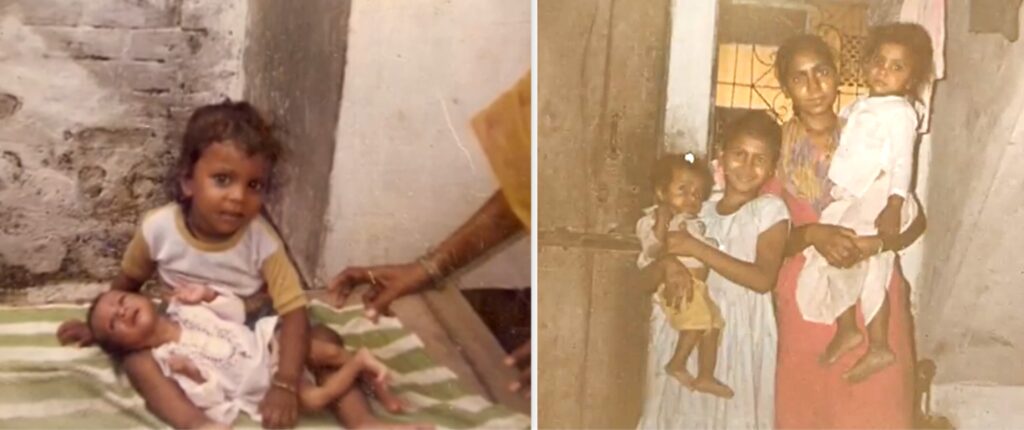 By the time I turned eight, my childhood had already slipped away. Circumstances pushed me into child labour. I began selling balloons on the streets to earn enough to feed my little sister. Each day became a calculation. Our one meal depended on how many balloons I managed to sell. School was uncertain, and safety was never guaranteed.
Growing up, my greatest fear was not hunger, but the possibility of losing my sister. I saw girls disappear overnight. Some were pulled out of school, some were married off as children, and others were trafficked or abused. I understood very early that, for many girls living in poverty, life could become a sentence with little chance of escape. Protecting my sister became my mission long before I understood what words like “activism” or “social reform” meant.
The streets around us were filled with gangs, drug addicts, and violence. Refusing to join local gangs came with consequences. I still remember being beaten for standing my ground.
“I was not just a witness to discrimination and violence. I lived it.”
Those words describe the reality of my early years. They are not simply memories of hardship, but reminders of the conditions that shaped my resolve to build a different future, not only for myself, but for many others growing up in similar circumstances.
When Protection Became My Purpose
 Growing up, my greatest fear was not hunger, but the possibility of losing my sister. I saw girls disappear overnight. Some were pulled out of school, some were married off as children, and others were trafficked or abused. I understood very early that, for many girls living in poverty, life could become a sentence with little chance of escape.
 Protecting my sister became my mission long before I understood what words like “activism” or “social reform” meant.
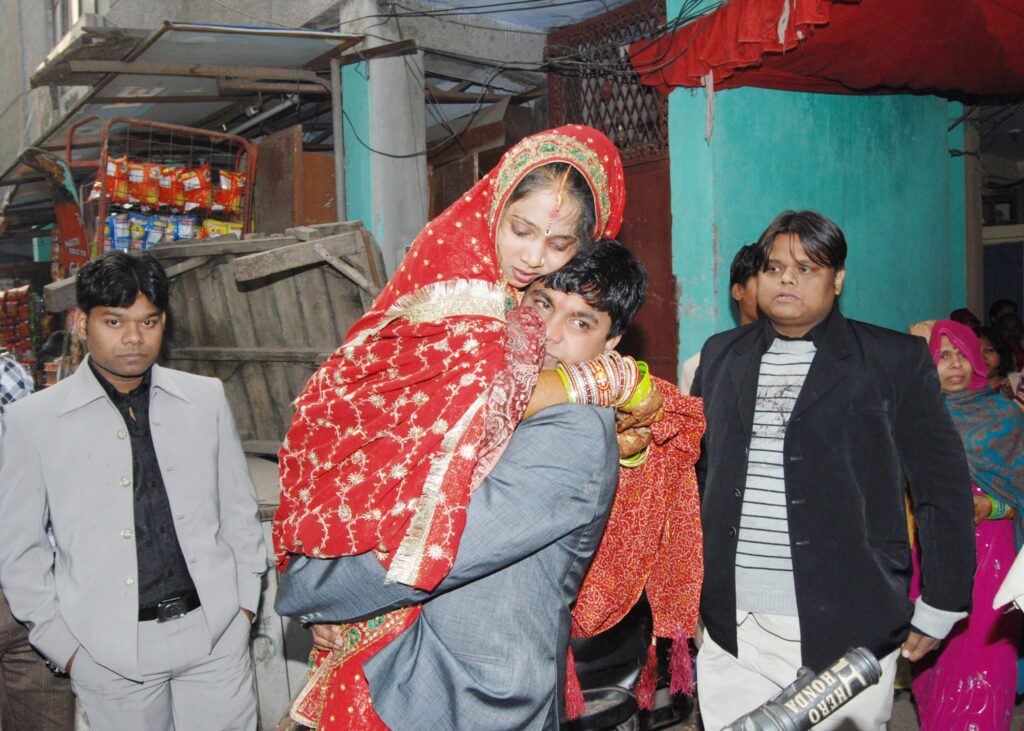
In 2010, when my sister faced the risk of child marriage, something within me broke, and something stronger took its place. My own struggles had already taught me the cost of silence. I had witnessed too much fear and injustice to allow history to repeat itself.
That moment led to the birth of the Ladli Foundation.
For me, volunteering was never charity. It was survival. Yet somewhere along the way, survival slowly transformed into service. At the age of twenty-five, when many people were still planning their careers, I chose to take early financial retirement so that I could volunteer full-time. It did not feel like a sacrifice; it felt like freedom.
I did not begin with money, power, or influence. I began with anger, fear, and an unyielding conviction that no girl should ever be forced to compromise her dignity simply to survive.
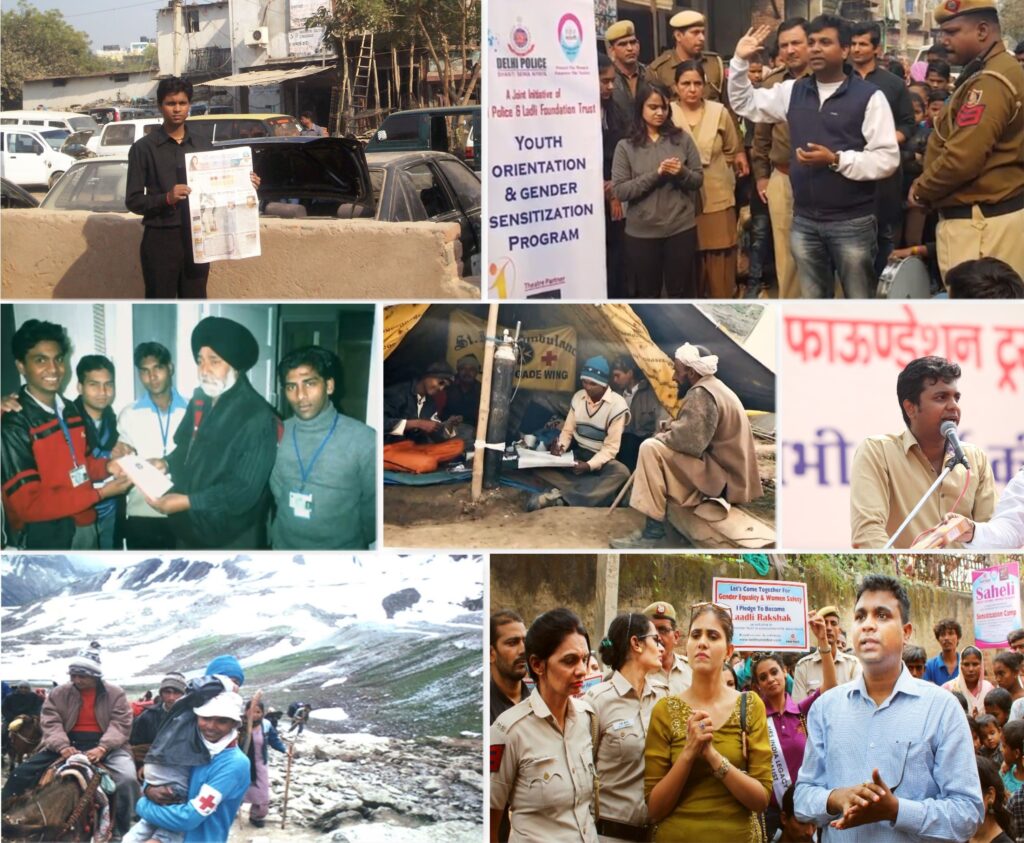
Ironically, I found a measure of safety by staying close to the police. Not because I sought authority, but because their presence offered protection. I began volunteering during community policing sports initiatives in the evenings. I cleaned gounds, marked lines, organised matches, and helped wherever I could. Remaining visible beside police officers meant I was less likely to be harassed or beaten.
For me, volunteering was never charity. It was survival. Yet somewhere along the way, survival slowly transformed into service.
At the age of twenty-five, when many people were still planning their careers, I chose to take early financial retirement so that I could volunteer full-time. It did not feel like a sacrifice; it felt like freedom.
Volunteering reshaped my life. It transformed a boy from the slums into a grassroots social worker, and eventually into someone whose work would reach and support millions of lives, something I had never imagined.
I introduced a simple rule: girls who completed skill training would receive support for marriage if they chose to pursue it. The intention was not to impose a condition, but to encourage transformation. Gradually, the idea began to spread. Girls started coming forward not for marriage assistance, but for education and skill development.
From Marriage to Empowerment: Redefining Safety
During our early days as an NGO, families approached me with one urgent request: help their daughters get married safely. But over time, I began to see a difficult truth. Even so-called “safe” marriages often ended in violence, abandonment, or emotional suffering. Marriage was not protection. True protection lay in independence.
That realisation changed everything.
We started a small skill-training centre. The space was borrowed, computers were donated, and teachers volunteered their time. It was modest, but it carried a larger purpose.
I introduced a simple rule: girls who completed skill training would receive support for marriage if they chose to pursue it. The intention was not to impose a condition, but to encourage transformation.
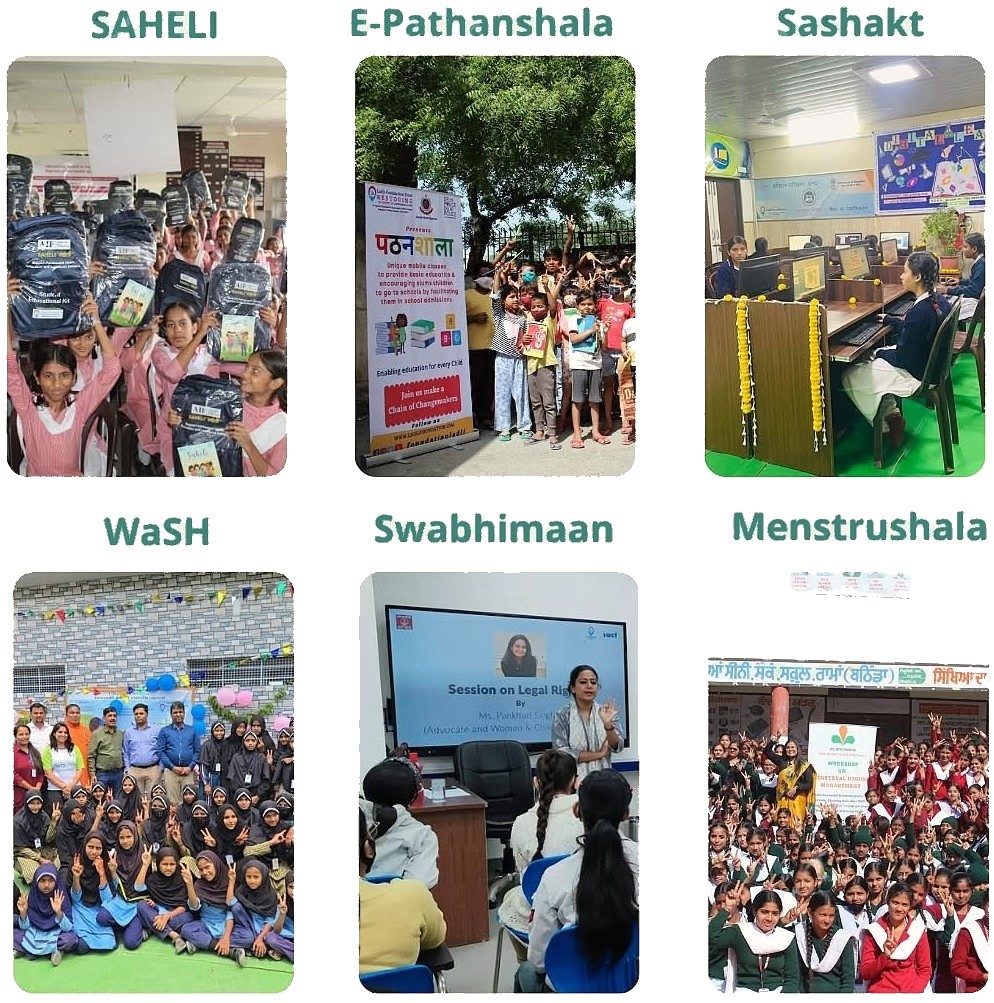 Gradually, the idea began to spread. Girls started coming forward not for marriage assistance, but for education and skill development.
More than 16,000 young women have since received training in life skills, financial literacy, menstrual health awareness, legal rights, digital literacy, and basic education. Mothers no longer brought their daughters simply to escape social pressure; they came with the hope of building stronger futures.
Some of these young women went on to become earning members of families that had once considered them a burden.
That shift, from survival to self-reliance, remains one of my proudest achievements.
Changing Boys to Safeguard Girls
Another important lesson emerged in 2017. Girls were not leaving school only because of poverty. Many dropped out because they did not feel safe outside their schools.
The challenge was not limited to girls alone. It also involved the attitudes and behaviour of boys.
So, we changed our approach.
We launched a grassroots gender-sensitisation initiative, training more than 25,000 boys on the principles of consent, respect, and equality. The programme emphasised a simple idea: safety is not a favour granted to women; it is a responsibility shared by society.
This effort also led to the “Run for Ladli”, an initiative that brought together police officials, judges, ministers, athletes, and citizens to affirm that women’s safety must be a collective commitment.
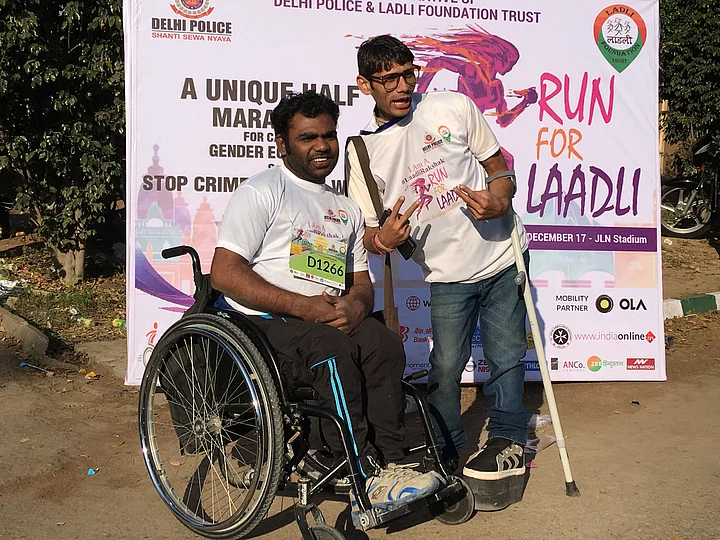
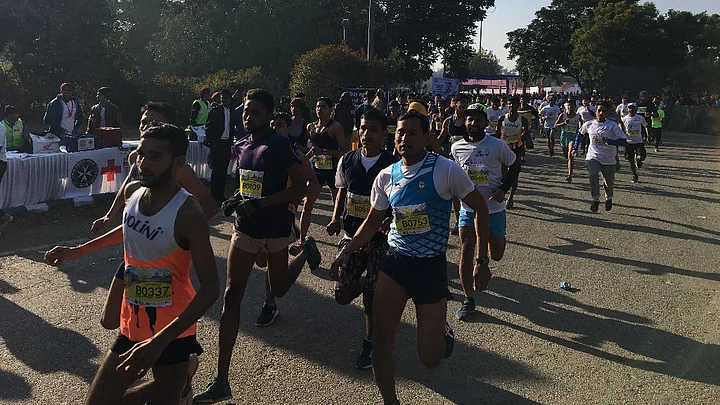
For the first time, boys who once loitered outside school gates stood on stage as allies, speaking about respect, responsibility, and the role they could play in creating safer communities.
I follow a simple guiding principle: no donation without involvement. Volunteering must be skill-based, not an afterthought. With this philosophy, we have established 108 digital learning laboratories in Delhi government schools, enabling access to digital education for more than 157,000 underprivileged students.
Impactful Change Without Funding
For six years, from 2012 to 2018, we operated without CSR funding. In truth, I did not even understand the process of seeking such support at the time. Our work continued with limited resources, but our commitment and results gradually opened doors on their own.
ONGC approached us rather than the other way around.
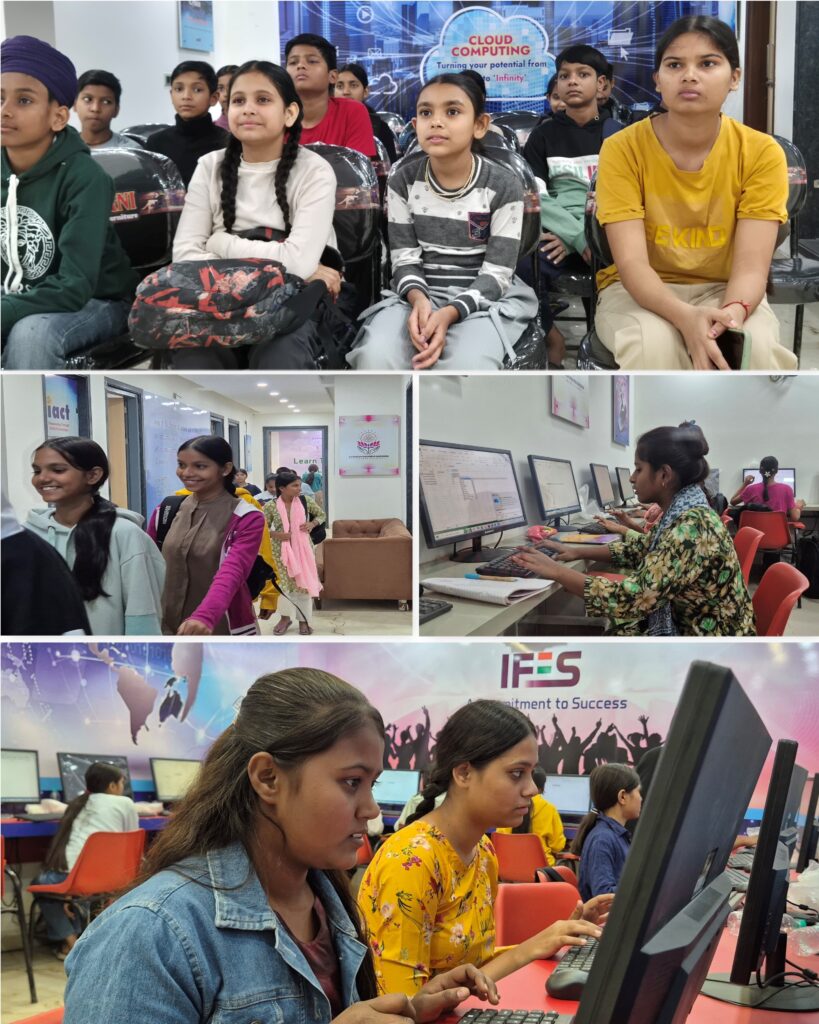 Even today, I follow a simple guiding principle: no donation without involvement. Volunteering must be skill-based, not an afterthought.
With this philosophy, we have established 108 digital learning laboratories in Delhi government schools, enabling access to digital education for more than 157,000 underprivileged students. Educational resources worth ₹600 crore have also been delivered through collaborative efforts without conventional fundraising campaigns.
We later became the only NGO partner of the Government of Delhi working on innovative initiatives to address malnutrition among nearly 800,000 students.
In the aftermath of the COVID pandemic, we facilitated livelihood assistance for 250 widows and single mothers, helping them regain financial stability. The organisation has also introduced AI-based washroom solutions designed to improve hygiene, strengthen safety, and enable real-time reporting of abuse.
For us, dignity has always come before numbers.
Ladli Foundation is more than an NGO. Built on the principles of compassion, collaboration, and credibility, our initiatives in health, education, WaSH, livelihood generation, and the prevention of drug abuse and crime have grown into a movement, impacting more than 2.7 million people across vulnerable communities.
Community-Centred Recognition
Over the years, I have been honoured with two National Awards and have received appreciation from four Presidents of India: Dr A P J Abdul Kalam, Shri Pranab Mukherjee, Shri Ram Nath Kovind, and Droupadi Murmu. In 2020, I was nominated for the Padma Shri.
On one occasion, Amitabh Bachchan described me as a “true hero” for my work in helping women escape exploitation.
Yet these recognitions do not belong to me alone. They belong to every girl who refused to give up, every volunteer who chose to serve, and every community that decided to act rather than remain silent.
Our work has also been recognised internationally. During the 65th Session of the Commission on the Status of Women, the United Nations acknowledged our efforts towards advancing gender equality under Sustainable Development Goal 5.
Ladli: More Than An Organisation
Ladli Foundation is more than an NGO. Built on the principles of compassion, collaboration, and credibility, our initiatives in health, education, WaSH, livelihood generation, and the prevention of drug abuse and crime have grown into a movement, impacting more than 2.7 million people across vulnerable communities.
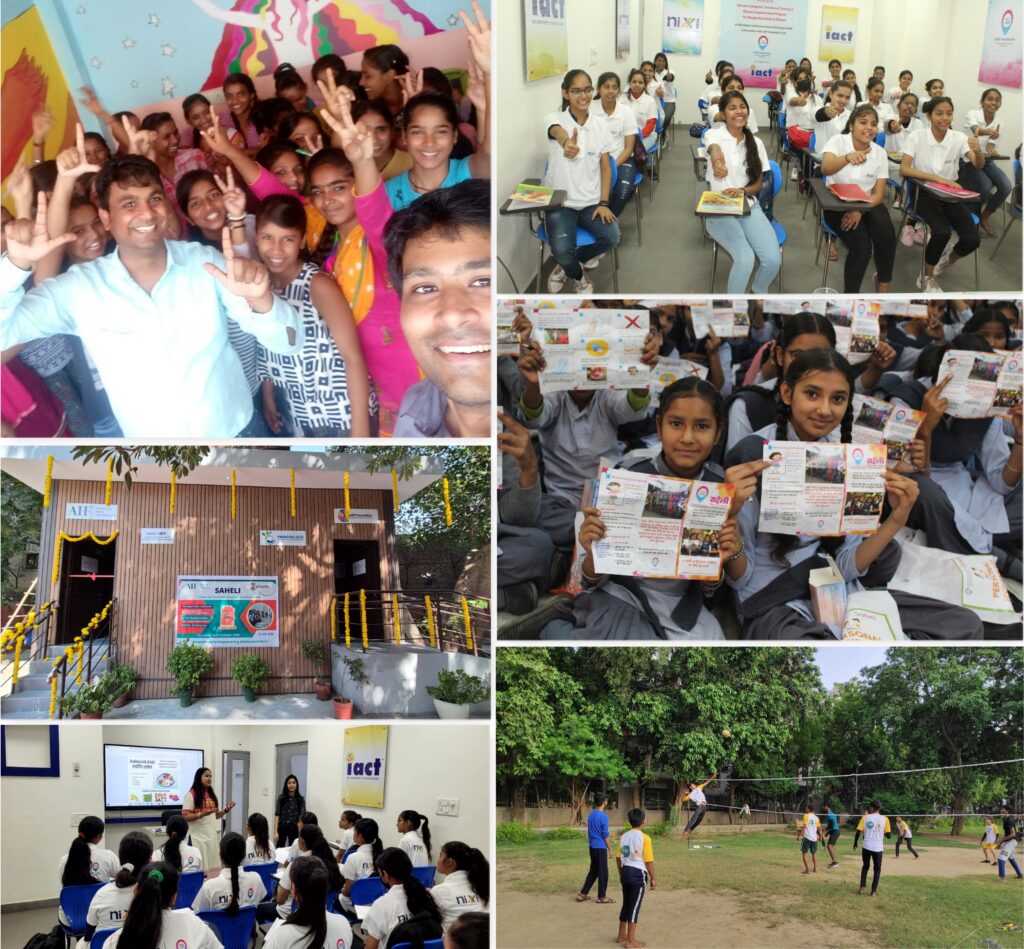 Over the years, we have collaborated with institutions such as Bharat Petroleum, BYJU’S, Delhi Police, Indian Oil, ONGC, and the NASSCOM Foundation.
With the establishment of Ladli Foundation USA as a 501(c)(3) organisation, our efforts are now closely aligned with the United Nations Sustainable Development Goals.
Looking ahead, we are developing AI-enabled safe school toilets equipped with menstrual hygiene facilities, abuse reporting triggers, odour sensors, and ozone-based disinfection systems. The objective is simple: safety must exist inside schools, not only outside their gates.
I do not pursue popularity; I pursue honesty. Impact, in my view, must always be truthful. It is not only about numbers; it is about dignity.
When I look back at the boy selling balloons on the streets, scared and hungry, I am reminded of a simple truth: change does not begin with privilege. It begins with refusal—the refusal to accept injustice as fate, and the courage to speak when silence seems easier.
If my journey proves anything, it is that where you begin does not determine where you can go.