


 Twenty years ago, Sambhav Foundation started with a school. Over time, it grew into something much more: a thoughtful reexamination of how to build and sustain livelihoods. Initially, the programmes focused on training and job placements. However, the Foundation soon realised that employment alone does not guarantee stability. Without supportive ecosystems, including family support, market access, digital inclusion, and community ownership, progress can be fragile. This insight led Sambhav to shift from project delivery to systems thinking. In a conversation with CSR Mandate, Gayathri Vasudevan, Founder and Chairperson, Sambhav Foundation, reflects on that shift and what it means for CSR partnerships built to endure.
Looking back over 20 years, when did you begin to see impact differently?
It was not a single defining moment, but a gradual realisation. Initially, we met our targets by training people and placing them in jobs, yet we noticed that many were struggling months later. The jobs evolved, but the surrounding ecosystem remained stagnant. Care responsibilities persisted, digital access was limited, local markets were weak, and social norms remained unchanged.
That helped us understand that livelihoods are shaped by infrastructure, education systems, family realities, market connections, and policy environments. Progress is fragile unless these layers shift together.
This understanding led us to adopt a cluster-based, systems-led approach. We shifted from running time-bound programmes to diagnosing entire local ecosystems. We began linking digital exposure in schools with workforce pathways, connecting green infrastructure, and supporting women not just with credit but with enterprise networks and sustained market access. We also became deliberate about what not to pursue. We stepped back from scaling efforts that did not promote ownership. If a programme could not continue beyond one funding cycle or did not build local capacity, we opted out. Systems change requires patience and alignment, not speed.
Our success metrics evolved, focusing not just on the number of people trained but on enabling communities to participate in economic growth with dignity long after we withdraw. This shift from service delivery to ecosystem building has been defining for our journey.
Saadhya has always been our ‘North Star’. It began as a school and training centre for neurodivergent and disabled individuals, and over time, it became our design philosophy as well. Working with neurodivergent and disabled learners highlighted a vital lesson: one size fits none.
How did Saadhya School shape the way you think about skilling and inclusion today?
 Saadhya has always been our ‘North Star’. It began as a school and training centre for neurodivergent and disabled individuals, and over time, it became our design philosophy as well.
Working with neurodivergent and disabled learners taught us a vital lesson: one size fits none. Traditional systems often emphasise standardisation, unintentionally excluding many. Real inclusion requires safety, patience, and adaptability. This insight now shapes all our skilling programmes.
Whether training EV technicians, data analysts, or beauty professionals, we prioritise confidence and resilience alongside technical skills. Workforce readiness is also about navigating environments that are not yet fully inclusive.
Saadhya also reshaped our understanding of dignity. We pivoted from the notion of fixing individuals to designing environments that respond to diverse needs. This approach influences everything from flexible scheduling for caregivers to sensory-aware classrooms and structured mentorship.
A powerful lesson from Saadhya is that when systems are designed for those facing the highest barriers, they become stronger for everyone. Building for the margins ultimately strengthens the core, guiding us in preparing first-generation learners for ongoing participation in an evolving workforce.
For us, certification is just the beginning; the real focus is what happens afterwards. In collaboration with Accenture, we track learners’ journeys post-placement. Our framework evaluates access, learning readiness, placement, retention, and empowerment. Placement is not the end; it is about structured follow-ups to assess whether candidates remain in their roles or move up. Insights gathered help us refine training and support.
You often speak about working with communities rather than around them. What does that really mean in practice, particularly in initiatives like the Waste Picker Livelihood Diversification programme supported by the H&M Foundation?
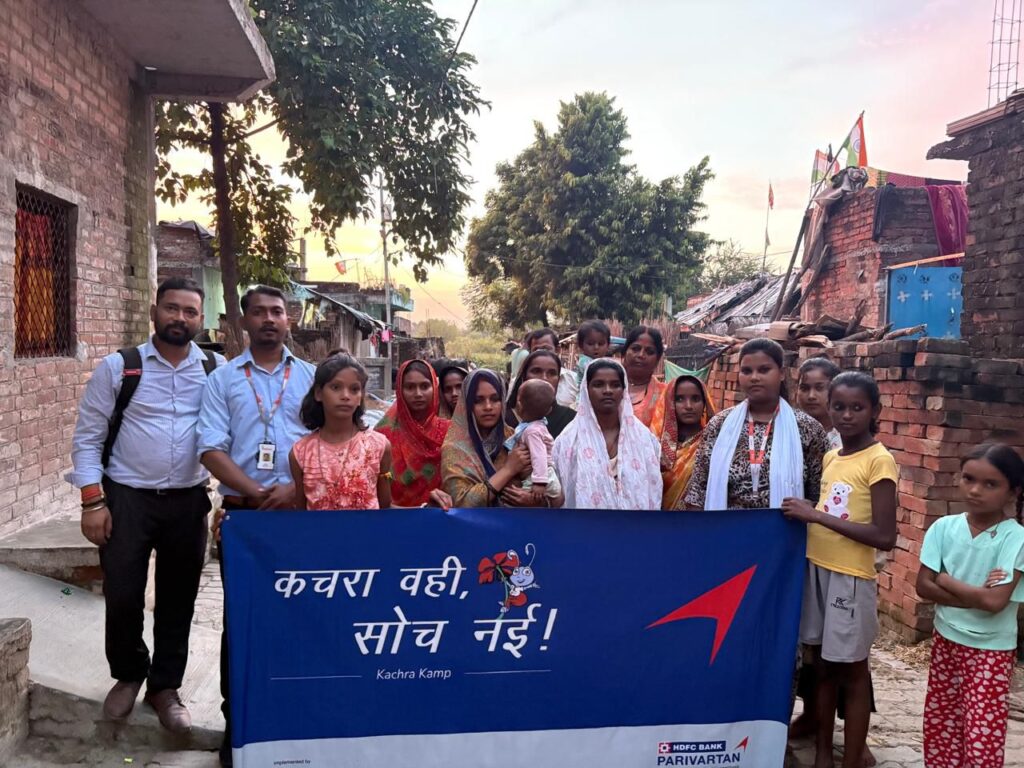 Working with communities means understanding that transitions should be negotiated, paced, and supported rather than imposed.
In the Waste Picker Livelihood Diversification programme supported by the H&M Foundation, we began with understanding rather than pre-established training schedules. Waste picker communities operated within strict economic and social systems marked by daily income pressures and documentation gaps.
 We invested deeply in mobilisation through social mapping and multilingual outreach, building trust over time. This commitment mobilised more than 2,000 individuals, predominantly women, reflecting our belief in credibility and continuity over speed. Structural barriers became design inputs rather than challenges. For participants lacking necessary documentation or facing gender constraints, we responded by integrating counselling and local community resource persons.
Our goal was never to dismantle an existing ecosystem, but to broaden choices and strengthen market presence. Recognising existing systems while expanding possibilities is central to our approach. As aspirations rise, we ensure they align with infrastructure, mentorship, and patience, so that transitions are sustainable.
How does your work with Accenture on digital skilling ensure that it leads to real career mobility, and not just course completion?
 For us, certification is only the beginning; the real focus is what happens afterwards. In collaboration with Accenture, we track learners’ journeys post-placement. Our framework evaluates access, learning readiness, placement, retention, and empowerment. Placement is not the end; it is about structured follow-ups to assess whether candidates remain in
  their roles or move up. The insights help us refine training and support.
Digital skills often accelerate career advancement. For instance, a retail associate who understands digital inventory systems becomes more promotable, and a micro-entrepreneur using digital marketing can expand her reach. Although mobility may be gradual, it is significant and meaningful.
We have shifted our engagement with CSR partners, moving from merely asking “How many were trained?” to “What changed in the household income trajectory?” This deeper accountability transforms skilling into sustainable progress.
Maintaining relevance across multi-state skilling is challenging due to diverse labour markets. For example, labour markets in Delhi NCR, Srinagar, or Dehradun operate with very different economic rhythms, employer expectations, and social constraints. Uniform curricula rarely yield lasting results. Our approach is twofold. We establish common quality frameworks at a systems level, ensuring consistent benchmarks and assessments across regions. Regardless of location, core standards stay the same. At the same time, pathways are tailored to local labour systems.
In your work with migrant and waste-picker women, how do you measure something as nuanced as agency?
 Agency transcends quantifiable metrics like job offers. While employment can be counted, aspects like confidence, decision-making, and mobility require observation over time. In our Ford Foundation-supported programmes, especially with women from vulnerable communities, we treat agency as a core outcome. Our measurement framework
  integrates quantitative and qualitative indicators.
We assess participation and continuity, but also financial behaviours such as whether women are independently managing bank accounts and negotiating wages.
Mobility is another indicator. We observe whether women are travelling independently to training centres, markets, or workplaces. We also assess whether families begin to support sustained participation over time, especially in communities where gendered mobility is restricted.
Many women move from individual participation to joining or forming self-help groups, production units, or cluster-level committees. Some take on roles as Community Resource Persons or peer mentors. When a woman begins advising others, facilitating meetings, or representing her group in external engagements, that signals a shift from beneficiary to stakeholder.
We document these changes through regular assessments, check-ins, discussions, and tracking their paths. Ultimately, we focus on durability: agency only matters when it lasts.
How do you adapt skilling programmes across very different regions while maintaining quality and scale?
Maintaining relevance across multi-state skilling is challenging due to diverse labour markets. For example, labour markets in Delhi NCR, Srinagar, or Dehradun operate with very different economic rhythms, employer expectations, and social constraints. Uniform curricula rarely yield lasting results.
 Our approach is twofold. We establish common quality frameworks at a systems level, ensuring consistent benchmarks and assessments across regions. Regardless of location, core standards stay the same. At the same time, pathways are tailored to local labour systems. For instance, in Delhi NCR, education aligns with organised retail and service sector demands, while in Jammu & Kashmir, it reflects local industries and socio-cultural conditions.
Our ecosystem-led approach involves engaging employers, government, and community leaders to identify evolving demands. Technology helps us maintain quality at scale, allowing for responsive strategies based on real-time data.
Placement is not the final goal; follow-ups and alumni engagement help us assess whether training genuinely aligns with labour conditions and whether mobility remains over time.
Green skilling carries a particular responsibility. It is not enough to train candidates in solar or EV systems; the real question is whether they are entering core technical roles and sustaining themselves within a rapidly evolving sector.
As you prepare young people for emerging sectors, what has it taken to translate AI exposure into tangible commerce-sector employability?
 A major misconception is that exposure equates to employability. The transition from digital familiarity to workplace readiness requires intention.
Through our Microsoft-supported programmes, particularly for B. Com students, we focus on the  practical application of AI tools in commerce settings.
The need is clear: many SMEs are digitising, but they lack confidence in using AI tools. When first-generation learners gain expertise in data handling or automated reporting, they immediately become more valuable.
However, challenges remain. Confidence is often a barrier, so we build foundational digital comfort before introducing advanced tools. Context is crucial; teaching in isolation doesn’t yield effective results, so we embed real commerce use cases. Employer readiness varies, necessitating our role in demonstrating how digitally skilled graduates can bolster teams. Preparing young people for emerging roles involves not chasing trends but equipping them to thrive in a tech-driven economy.
In green skilling, how do you and your partners ensure training leads to real technical careers?
Green skilling carries a particular responsibility. It is not enough to train candidates in solar or EV systems; the real question is whether they are entering core technical roles and sustaining themselves within a rapidly evolving sector.
With partners like Accenture and Angel One, we align curriculum with actual employer demands, focusing on certification standards and field exposure. Our monitoring includes attendance and skill proficiency through digital systems.
We also differentiate between core technical placements and adjacent roles, ensuring the pipeline is genuinely technical. A solar technician placed in field installation is categorised differently from a candidate placed in sales or support. This helps us understand whether the pipeline is truly technical.

Structured follow-ups are essential to evaluate retention and income stability, especially given the project-based nature of green sector jobs. We then analyse regional trends to adjust our strategies according to employer ecosystems and mobility barriers.
India’s green economy shows immense potential, but first-generation learners need continued support beyond certification to ensure meaningful participation in the workforce.
Long-term income stability for women entrepreneurs encompasses more than just revenue. Dignity is reflected in continuity, control over earnings, negotiation power, and sustained access to markets. Our measurement spans the survival rates of enterprises. We monitor business operations post-support and assess revenue consistency. We evaluate market demand at both individual and cluster levels. Collective platforms, such as self-help groups, provide shared branding opportunities that stabilise demand through bulk procurement methods.
How do you ensure waste management systems continue after a programme ends?
Sustainability begins long before programme closure. If community ownership is not ingrained from the start, continuity is unlikely.
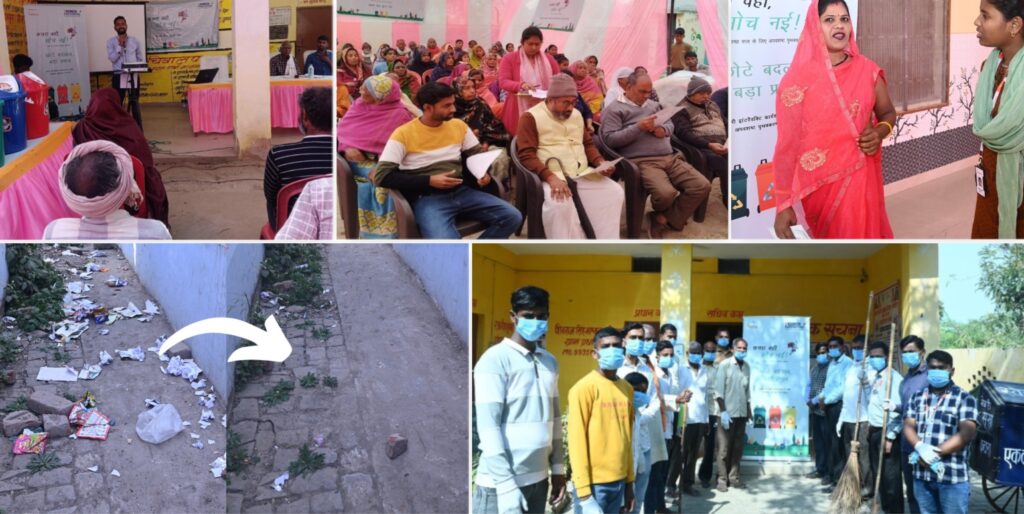
In our solid waste management initiative with HDFC Bank Parivartan, we combined infrastructure with behaviour change from day one. From the outset, we engage village-level stakeholders such as community leaders, local governance bodies, self-help groups, and youth volunteers, so that waste management is not perceived as an external project but as a local responsibility. Ongoing behaviour change efforts enable habit formation, prioritising local leadership. Capacity building for local resource persons enhances sustainability, reducing dependency on external interventions.
Behaviour change flourishes when it is internalised and relevant. Our ultimate goal is to ensure community-led practices in environmental responsibility that persist beyond our involvement.
How do you measure long-term income stability and dignity for women entrepreneurs?
Long-term income stability for women entrepreneurs encompasses more than just revenue. Dignity is reflected in continuity, control over earnings, negotiation power, and sustained access to markets.
Our measurement spans the survival rates of enterprises. We monitor business operations post-support and assess revenue consistency. We evaluate market demand at both individual and cluster levels. Collective platforms such as self-help groups provide shared branding opportunities that stabilise demand through bulk procurement methods. For us, indicators of progress include predictable income, diversified services, and an expanded customer base, alongside the degree of control women have over pricing and financial decisions. When income stability merges with agency, dignity blossoms.
What did disruptions like the pandemic teach you about trust?
The pandemic showed us whether our work was relational. Trust let us pivot and support communities with urgent needs.
Three practices were key: decentralised decision-making, cross-sector presence, and strong digital systems. These enabled us to respond quickly while staying accountable.
These lessons shape our current work, including school WASH programmes. Infrastructure alone isn’t enough; we embed local ownership by working closely with schools and stakeholders to ensure integrated, maintained systems.
Disruptions are inevitable. The real test is programme resilience.
Sustainability comes when communities own solutions, and with ownership, continuity follows.
As India progresses, addressing the fragmentation in access to skilling is essential. Our focus will be on bridging mobility gaps, enhancing employer integration and creating a cohesive ecosystem where education, skilling, and local enterprises collaborate efficiently. Ultimately, partnerships transform impact when they are grounded in shared outcomes. Aligning funding with expertise fosters stronger, sustainable community engagement.
How have your partnerships evolved from funding programmes to co-owning outcomes?
In the beginning, partnerships were transaction-oriented, focused on deliverables aligned with funding timelines. As we grew, we realised lasting impact demanded deeper engagement.
Today, partnerships emphasise shared metrics over activity milestones. For instance, corporate partners contribute technical expertise to help design relevant curricula instead of simply funding training. This evolution strengthens accountability in two ways: it ties responsibility to tangible outcomes, like placement retention and income progression, and fosters mutual accountability between our partners and us. The focus has shifted from merely delivering programmes to ensuring that lives improve sustainably.
As we enter our third decade, we aim to scale effective models while adapting to India’s changing workforce needs. Scaling means genuinely replicating successful ecosystems, not just programmes, and aligning with emerging job markets while keeping inclusion at the centre for first-generation learners.
 Based on your 20-year journey, what is the single most important lesson you would offer CSR leaders building resilient, community-owned programmes?
The most critical lesson is that communities do not change within funding cycles. It means real community change usually takes longer than a grant or project timeline. A funding cycle may cover training or a pilot, but lasting shifts in behaviour, livelihoods, confidence, and local systems need continued support, trust, and ownership beyond that period. Lasting transformations take time and endure when local capability, market alignment, and shared accountability are prioritised from the beginning. Resilient programmes emerge when individuals start viewing themselves as economic participants rather than beneficiaries.
As India progresses, addressing the fragmentation in access to skilling is essential. Our focus will be on bridging mobility gaps, enhancing employer integration and creating a cohesive ecosystem where education, skilling, and local enterprises collaborate efficiently. Ultimately, partnerships transform impact when they are grounded in shared outcomes. Aligning funding with expertise fosters stronger, sustainable community engagement.