


 Parag Talankar is the Director of Planning and Mobilisation at the Sustainable Environment and Ecological Development Society (SEEDS).
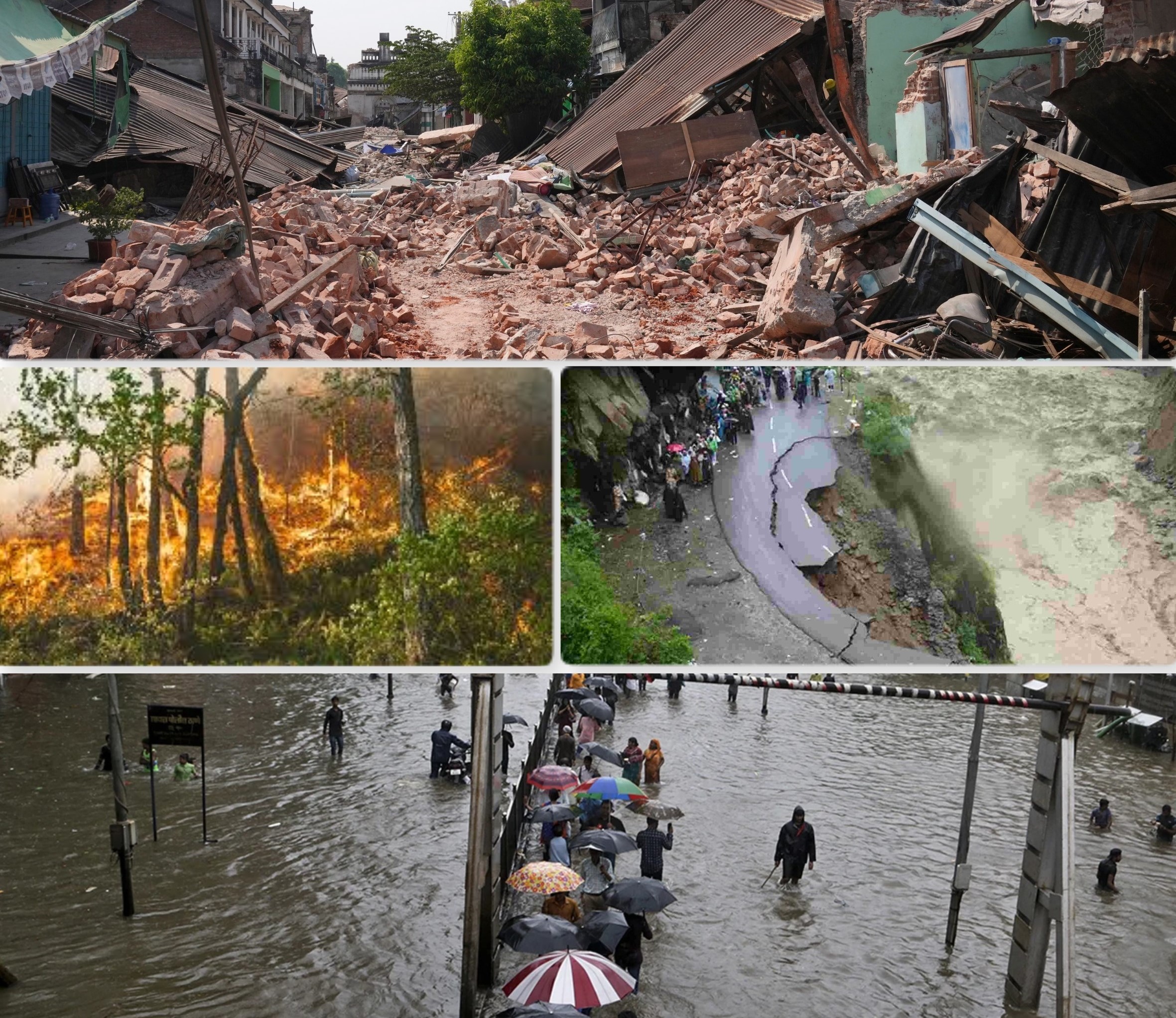
Disasters expose the fault lines of society more starkly than almost any other event. Whether triggered by floods, earthquakes, industrial accidents, conflict-driven displacement, or climate extremes intensified by human activity, disasters are rarely confined to physical destruction. They reveal structural inequalities, governance gaps, and systemic neglect that often remain invisible during periods of stability.
At their core, disasters are stress tests for institutions, public systems, and social contracts. They reveal who is protected by systems and who exists at their margins. They show whose losses are considered urgent and whose suffering becomes normalised. In this way, disasters are not only environmental or humanitarian events; they are also deeply political and social moments that determine whose rights are upheld and whose are quietly deprioritised.
In the immediate aftermath, survival becomes the dominant priority. Yet it is precisely in these moments of urgency that dignity, equality, and justice are often pushed aside. Human rights are rarely withdrawn openly during disasters; instead, they are gradually sidelined, postponed until stability returns. For millions of people, however, that postponement becomes indefinite. Temporary emergency compromises slowly become permanent structural exclusions.
While water shortages are often framed as infrastructure failures, they represent fundamental rights failures. Access to clean water is not a service that can be restored later. It is essential to survival, public health, and human dignity, particularly during emergencies when disease risk multiplies.
When Access to Water and Sanitation Breaks Down
 The erosion of basic rights often begins with access to water. Flooded wells, damaged pipelines, and contaminated groundwater can leave entire communities without safe drinking water for weeks or months. In many disaster-affected regions, water systems were already fragile before the crisis. Disasters accelerate their collapse.
Families are forced into impossible decisions: consume unsafe water and risk water-borne diseases, or reduce consumption and face dehydration and related health complications. Children and elderly people suffer first and most severely. Women and girls often travel longer distances to find water, exposing them to physical risk and reducing time available for education, caregiving, or income generation.
While water shortages are often framed as infrastructure failures, they represent fundamental rights failures. Access to clean water is not a service that can be restored later. It is essential to survival, public health, and human dignity, particularly during emergencies when disease risk multiplies.
Sanitation systems tend to collapse alongside water access. Relief camps often expand rapidly without proportional sanitation infrastructure. Toilets become unusable. Waste disposal systems break down. Open defecation may increase out of necessity, raising risks of disease outbreaks.
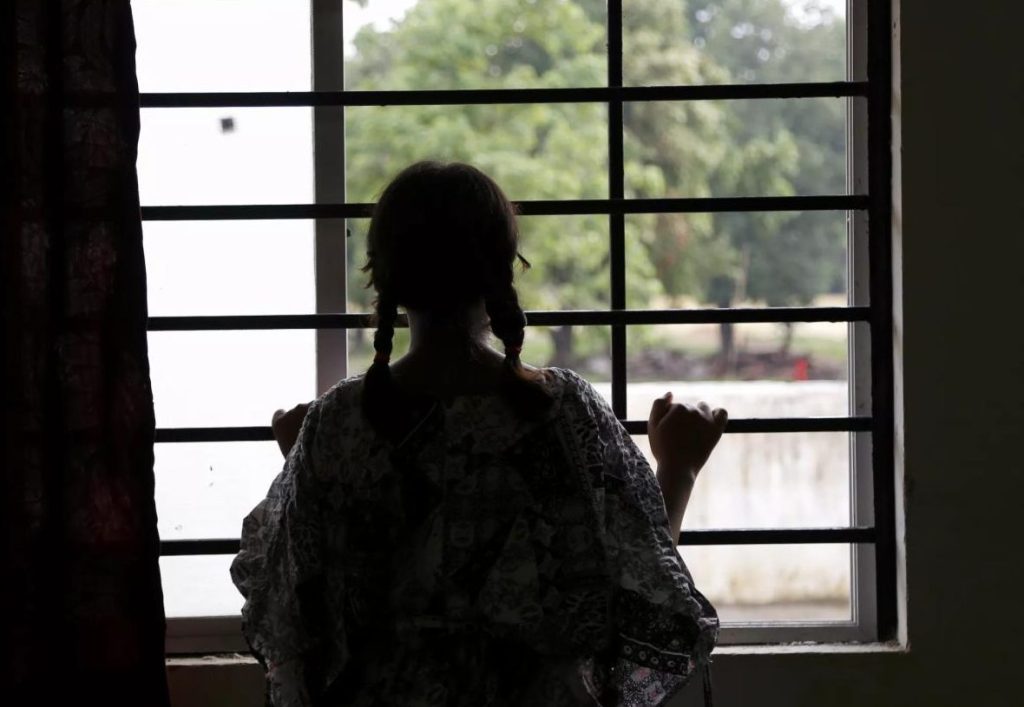 For women and girls, the impact is deeply personal and often invisible in official reporting. Managing menstruation without privacy, safe disposal systems, or adequate supplies becomes a daily struggle. Pregnant women face heightened infection risks. Adolescent girls may withdraw from community spaces due to a lack of dignity and safety. What appears to be a logistical gap becomes a daily experience of vulnerability and humiliation.
Food insecurity escalates rapidly in disaster environments. Agricultural land may be submerged or contaminated. Livestock may be lost. Storage facilities and supply chains are disrupted. Local markets collapse, sometimes for extended periods. For subsistence farmers, losing one harvest cycle can push families into long-term debt. For daily wage earners, even a few weeks without income can lead to food insecurity, child labour or distress migration. For small entrepreneurs, loss of equipment or inventory can permanently end livelihoods built over decades.
Shelter Without Safety or Dignity
Shelter is meant to provide protection, yet in many disaster settings it offers only minimal physical cover. Temporary shelters are often overcrowded, structurally weak, and lacking basic security infrastructure such as lighting, lockable spaces, or family-separation areas.
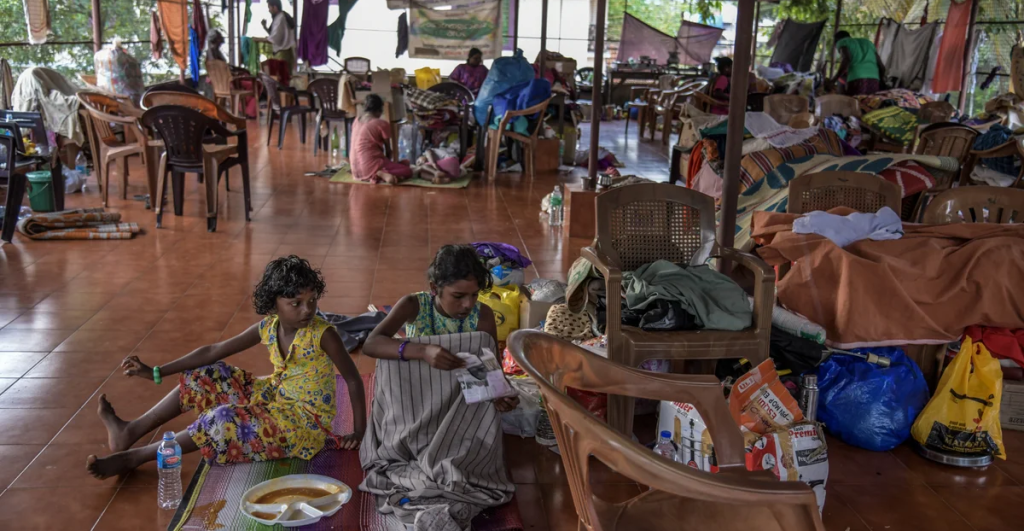
Privacy is often nonexistent. Families share spaces with strangers. Personal belongings cannot be secured. The psychological stress of constant exposure and uncertainty adds to the trauma already caused by the loss of home and community.
In regions facing recurring hazards, such as flood-prone river basins or seismic zones, temporary shelter can become semi-permanent. People live for months or years in structures never designed for long-term habitation. Children grow up in unstable environments. Elderly persons struggle with mobility and safety. Women face increased risks of harassment and violence in poorly designed shelter environments.
The right to adequate housing extends beyond physical protection from the weather. It includes security of tenure, privacy, cultural appropriateness, safety, and the ability to live with dignity. When shelters fail to meet these standards, displacement becomes prolonged, and trauma becomes generational.
Disasters magnify existing social inequalities. Communities already marginalised by geography, caste, ethnicity, disability, or economic status are often the last to receive assistance and the first to be overlooked in recovery planning. Remote communities may remain cut off for weeks. Informal settlements may not appear in official planning maps. People without formal identity documentation may be excluded from aid distribution lists.
Hunger, Livelihood Loss, and the Right to Work
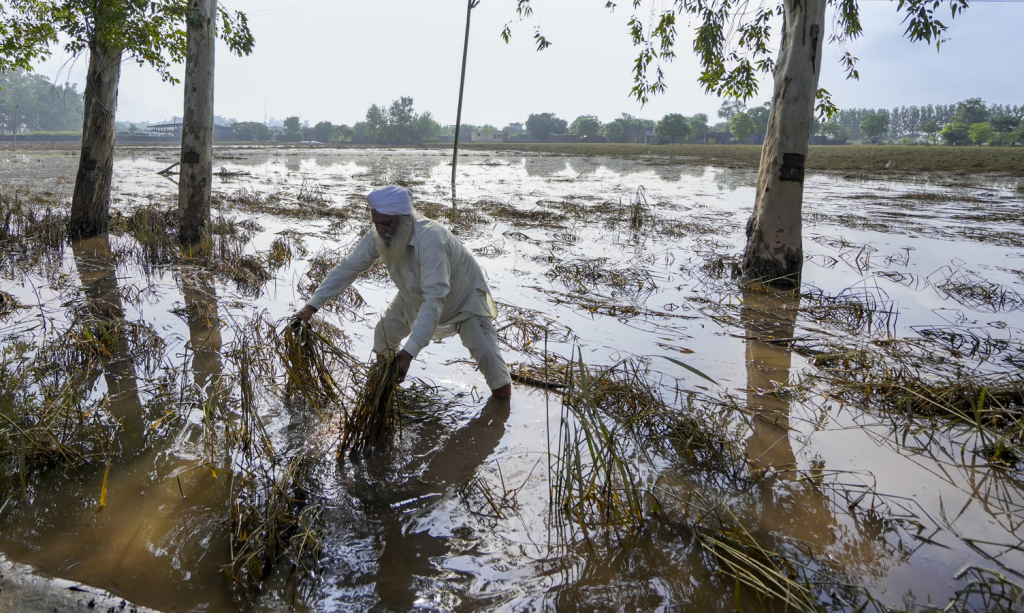 Food insecurity escalates rapidly in disaster environments. Agricultural land may be submerged or contaminated. Livestock may be lost. Storage facilities and supply chains are disrupted. Local markets collapse, sometimes for extended periods.
For subsistence farmers, losing one harvest cycle can push families into long-term debt. For daily wage earners, even a few weeks without income can lead to food insecurity, child labour or distress migration. For small entrepreneurs, loss of equipment or inventory can permanently end livelihoods built over decades.
For people working in the informal sectors, recovery is especially difficult. Without formal employment contracts, insurance, or access to credit, many cannot restart economic activity even when physical infrastructure is restored.
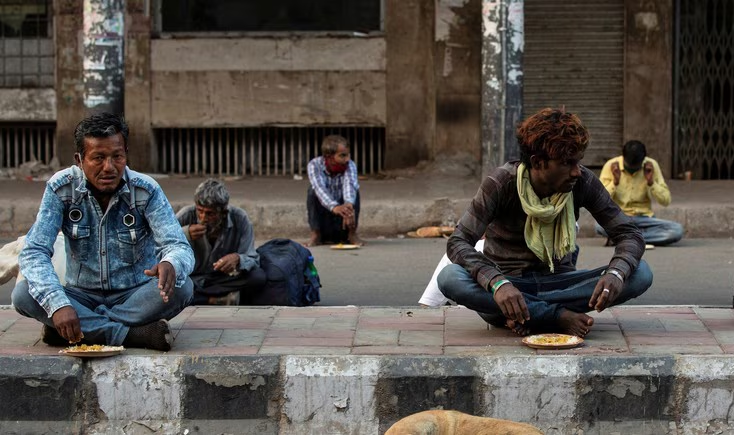 The loss of livelihood is not merely economic. It is deeply tied to identity, dignity, and social belonging. When individuals cannot work, they lose not only income but also autonomy and purpose.
Protecting the right to work in disaster contexts requires structural recovery, restoring markets, enabling credit access, rebuilding local value chains, and supporting skills transitions where necessary. Short-term relief without livelihood recovery risks creating long-term dependency.
Health Systems Under Extreme Strain
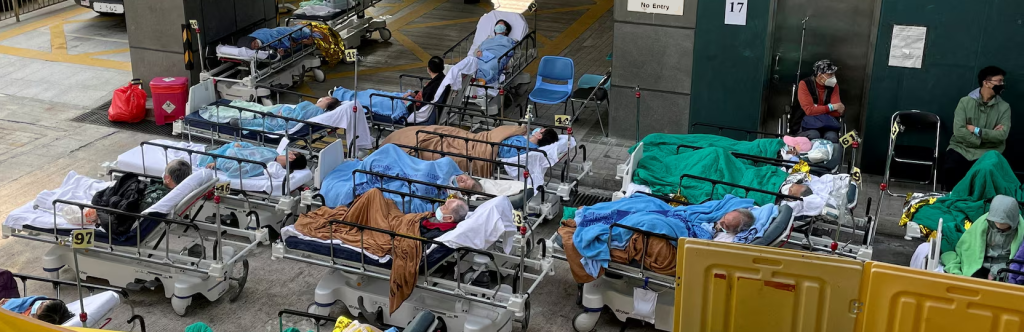 Disasters place immense pressure on health systems, many of which already operate at capacity. Hospitals may be damaged. Medical supply chains may collapse. Health workers themselves may be affected, displaced, or overburdened.
Emergency trauma care often takes priority, leaving chronic illnesses unmanaged. Patients with diabetes, hypertension, kidney disease, or cancer may lose access to life-saving treatment. Maternal and child health services are often disrupted, increasing risks of preventable deaths.
Mental health impacts are significant but under-addressed. Survivors experience grief, survivor’s guilt, anxiety, and long-term trauma. Children may develop behavioural or developmental challenges. Without structured psychosocial support, these effects can persist for years.
The right to health extends beyond emergency care. It includes continuity of treatment, access to medicines, rehabilitation services, and mental health support. These are essential for long-term recovery but often overlooked once immediate emergency attention fades.
Invisible Risks and Unequal Impact
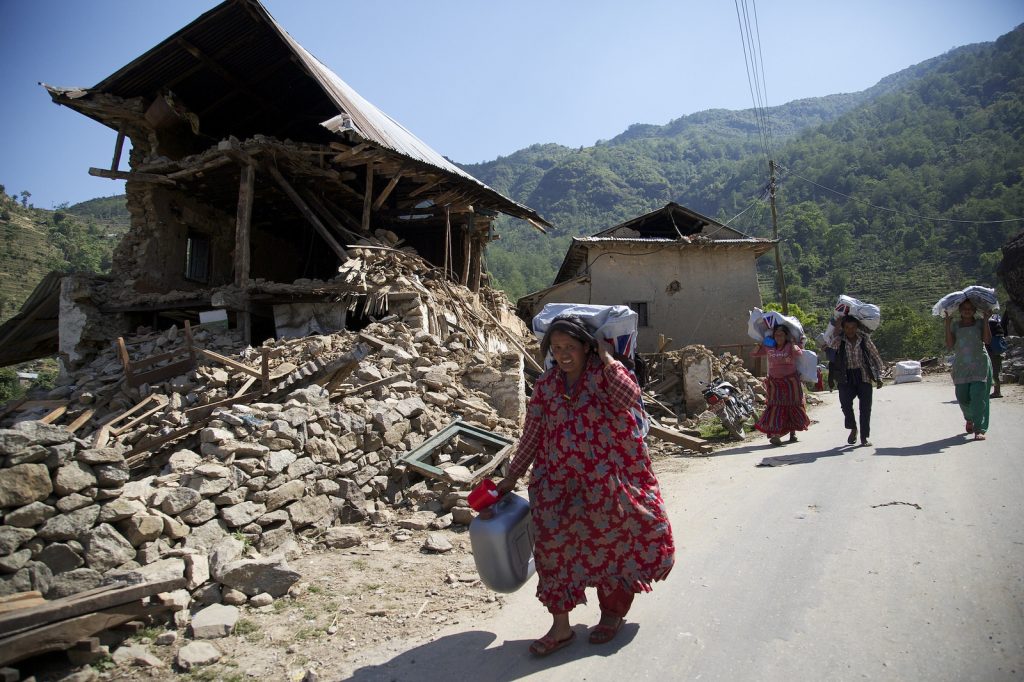 Not all disaster risks are visible. Poor lighting, overcrowding, and weak protection systems create environments where exploitation and violence can increase. Protection failures are rarely immediate or dramatic; they often occur quietly and systematically.
At the same time, disasters magnify existing social inequalities. Communities already marginalised by geography, caste, ethnicity, disability, or economic status are often the last to receive assistance and the first to be overlooked in recovery planning.
Remote communities may remain cut off for weeks. Informal settlements may not appear in official planning maps. People without formal identity documentation may be excluded from aid distribution lists.
Disasters do not create inequality. They expose it. They amplify it. And without intentional corrective action, they can deepen it permanently.
Children, Education, and Long-Term Social Impact
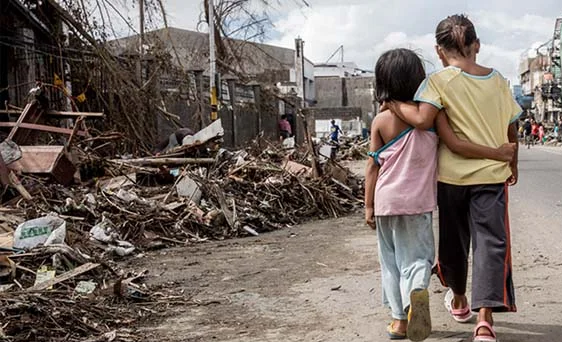 Children experience disasters differently but often carry the longest-term consequences. Some are separated from families. Others are forced into adult roles prematurely, caring for siblings or contributing to household survival.
Education disruption has multi-generational consequences. Schools often become relief shelters or are destroyed entirely. Even when schools reopen, families may prioritise income recovery over education, particularly for girls.
Schools provide more than learning. They provide nutrition, routine, protection, and psychological stability. When education systems collapse, risks of child labour, trafficking, and early marriage increase significantly.
The right to education is not a long-term recovery luxury. It is a critical protection mechanism during crises.
Information, Participation, and the Right to Be Heard
 Access to information can determine survival. Communities need clear, timely, and accessible information on aid, relocation, health risks, and recovery processes. Yet communication is often inconsistent, overly technical, or inaccessible to vulnerable groups.
Equally critical is meaningful participation. Disaster responses are often designed centrally with minimal community consultation. Survivors are treated as aid recipients rather than decision-makers.
When affected communities are excluded, recovery programmes may fail or create new vulnerabilities. Participation is not just ethical. It is operationally essential.
True recovery is not defined by how fast infrastructure is rebuilt. It is defined by whether people regain dignity, confidence, and control over their lives. Disasters expose deep social and economic vulnerabilities, reminding us that human impact is shaped as much by preparedness, equity, and institutional strength as by the hazard itself.
Movement, Identity, and Access to Justice
Displacement frequently restricts freedom of movement. People may be confined to camps, unable to return home, seek work, or move closer to support networks. While some restrictions are justified for safety reasons, they often continue long after the immediate risk has passed, limiting recovery and autonomy.
The loss of identity documents further compounds exclusion. Floods, fires, and demolitions often destroy personal records like identity cards, land titles, ration cards, and certificates. Without documentation, people are unable to access aid, claim compensation, or assert their rights. Replacing documents is often slow and bureaucratic, leaving survivors trapped in administrative limbo.

The right to remedy and accountability is critical in these contexts. When aid is delayed, denied, or distributed unfairly, affected people need accessible grievance mechanisms and clear pathways to seek redress. Without accountability, mistakes persist and trust in institutions erodes.
Gender, Accountability, and the Imperative of Preparedness
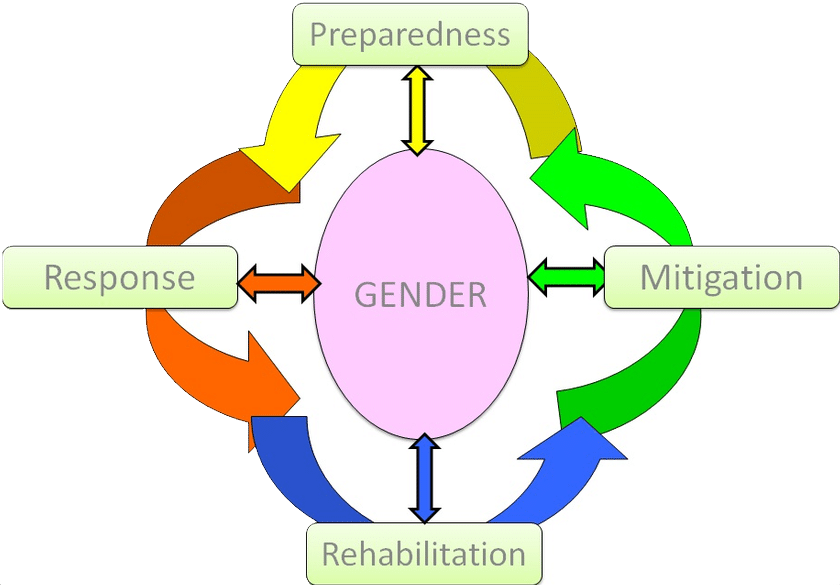 Gender-sensitive approaches are essential at every stage of disaster response and recovery. Women face disproportionate risks but are also central to community resilience. Ensuring their rights means addressing safety, health, livelihoods, and participation, not as add-ons, but as core priorities.
Finally, the human rights crisis in disasters cannot be separated from preparedness and risk reduction. Weak early warning systems, poor land-use planning, environmental degradation, and the exclusion of vulnerable groups from planning processes all increase the severity of disaster impacts. Protecting rights requires action before disasters occur, investing in systems that reduce risk, strengthen local capacity, and prioritise those most likely to be affected.
Rebuilding With Dignity: From Recovery to Shared Responsibility
True recovery is not defined by how fast infrastructure is rebuilt. It is defined by whether people regain dignity, confidence, and control over their lives. Disasters expose deep social and economic vulnerabilities, reminding us that human impact is shaped as much by preparedness, equity, and institutional strength as by the hazard itself.
Disaster recovery is closely linked with core development priorities, such as health, livelihoods, education, and environmental resilience. While emergency response saves lives, long-term recovery restores futures. Access to safe water, sanitation, primary healthcare, schools, anganwadis, and functioning local markets forms the foundation on which communities begin again.
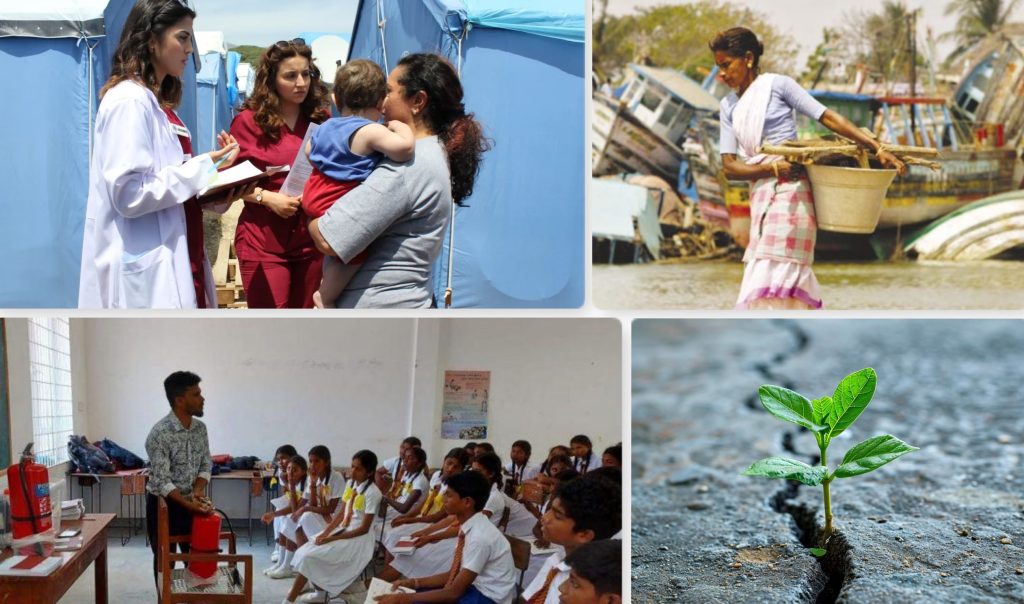
Recovery must also address invisible barriers. Replacing lost identity documents, restoring access to entitlements, supporting mental health, and strengthening protection systems for women and children are essential to ensuring that recovery is fair, not just fast.
Strong recovery is always local. Community institutions are often the first to respond and the last to leave. When communities help shape recovery decisions, rebuilding becomes more resilient and more sustainable.
As climate risks grow, disaster recovery is no longer only a humanitarian responsibility. It is a shared development commitment. The real opportunity is not only to rebuild what was lost, but to build systems that ensure fewer people lose everything the next time disaster strikes.
In this journey, sustained and thoughtful corporate engagement can play a quiet but powerful role in shaping safer, more resilient futures.