

 Ravi Nayse is the Chief Operating Officer of Skills at Ambuja Foundation.
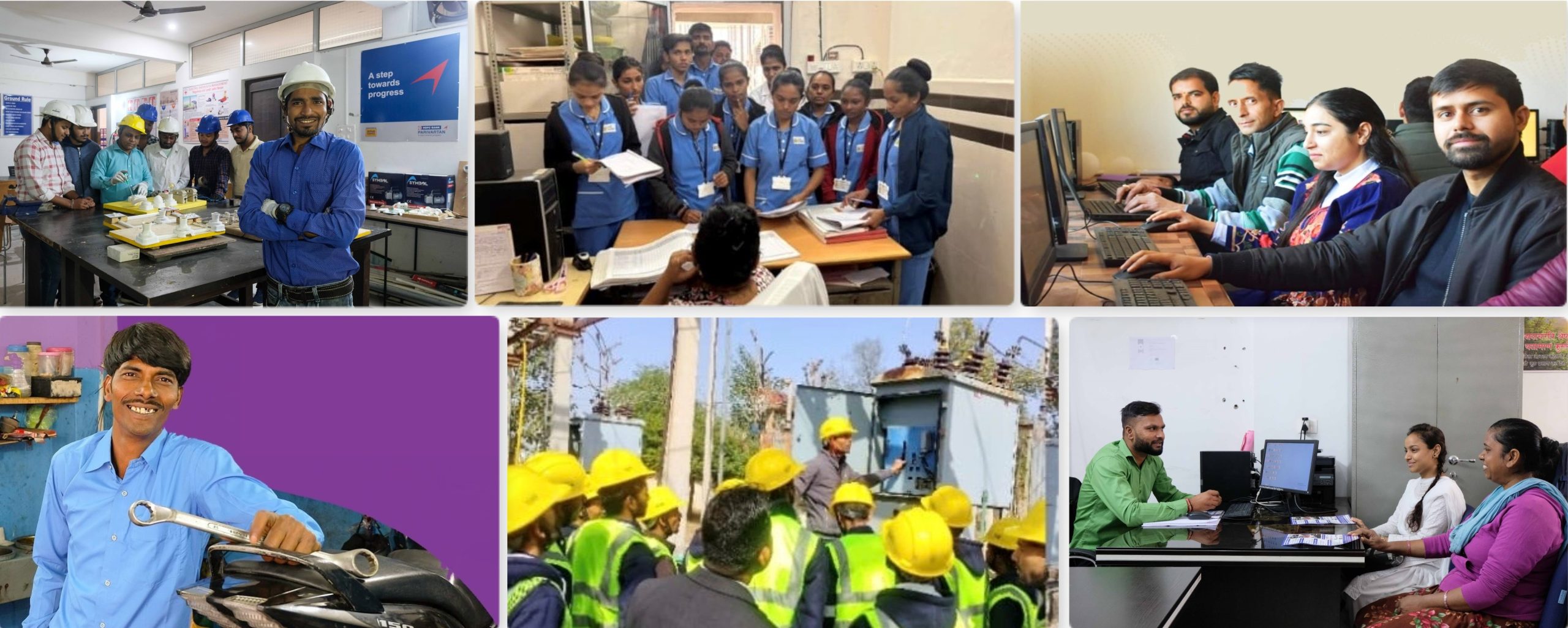
India is often described as a young country, with more than half of its population under the age of 30. A significant portion of these young people reside in villages and small towns. This demographic reality presents enormous potential, but it can only be realised if young people acquire skills that match today’s economy. For millions of rural youth, the challenge lies not in ambition, but in access: access to relevant training, stable employment, and pathways that enable them to contribute meaningfully to their households and communities.
Skilling rural youth is not solely about increasing employment numbers. It is also about strengthening rural families, stabilising local economies, and preparing India’s future workforce for a rapidly evolving job market.
From Aspiration to Access
Aspirations among young people across rural and semi-urban regions are steadily rising. Many of them desire stable, dignified livelihoods that allow them to support their families and build a secure future. However, these aspirations are not always matched by awareness of locally relevant opportunities or access to market-aligned skills. As a result, young people may pursue limited or unsuitable career pathways, leading to underemployment.
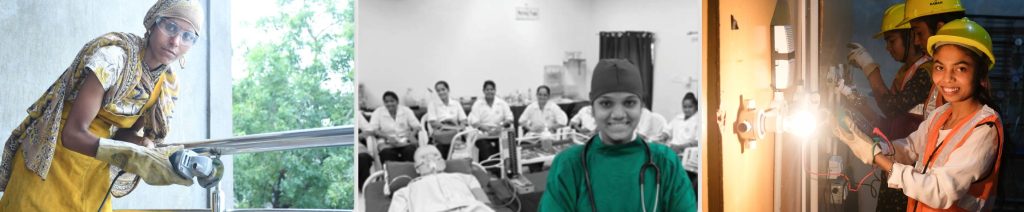
Well-designed and targeted skilling initiatives can bridge this gap by aligning aspirations with realistic, sustainable opportunities that respond to both local needs and the evolving demands of the economy. By enabling access to training across blue-collar, technical, service-sector, and entrepreneurial fields, young people are better positioned to secure stable employment locally or establish micro-enterprises of their own.
Access to quality education, digital exposure, career guidance, and practical training remains uneven outside major cities. Many students complete their formal education without acquiring skills aligned to local labour market needs. Others leave school early due to household responsibilities, financial pressures, or early marriage. When they do enter the workforce, it is often through informal, low-paid employment that offers little stability, limited growth, and few pathways for advancement.
This persistent gap between aspiration and access has direct consequences for rural households. Families continue to rely heavily on agriculture and seasonal labour, where incomes are vulnerable to price fluctuations, illness, or a single failed harvest. Sons may migrate in search of insecure work, daughters may be confined to unpaid care roles, and the education of younger siblings is frequently compromised as financial pressures intensify.
 Well-designed and targeted skilling initiatives can bridge this gap by aligning aspirations with realistic, sustainable opportunities that respond to both local needs and the evolving demands of the economy. By enabling access to training across blue-collar, technical, service-sector, and entrepreneurial fields, young people are better positioned to secure stable employment locally or establish micro-enterprises of their own. Such diversification of household income strengthens families’ ability to withstand economic shocks and enhances resilience to climate-related uncertainty. In the current environment, this income diversification is not merely beneficial; it is essential for the long-term stability of rural households.
When young women enter paid employment, household dynamics shift. Their decision-making power expands, aspirations rise, and younger siblings begin to view education and skills as viable pathways. Similarly, when young men secure stable, reliable work, migration becomes a choice rather than a necessity, enabling families to regain continuity.
How Skilling Transforms Households
A single skilled job can significantly transform the trajectory of an entire family. Regular income improves nutrition, health-seeking behaviour, school retention for siblings, and asset creation. It reduces dependence on moneylenders and lowers the need for distress migration. Over time, households diversify their income sources beyond agriculture, strengthening their ability to withstand economic and climate-related shocks.
The impact is also social. When young women enter paid employment, household dynamics shift. Their decision-making power expands, aspirations rise, and younger siblings begin to view education and skills as viable pathways. Similarly, when young men secure stable, reliable work, migration becomes a choice rather than a necessity, enabling families to regain continuity.
This multiplier effect may not be visible in employment statistics, but it is crucial for long-term rural development. Skilling is not just about placing individuals in jobs; it is about stabilising families and facilitating intergenerational mobility.
Rajasthan: A Household Story of Mobility
The story of the Sargara family from Patwa village in Rajasthan illustrates how skilling translates into tangible household security. Vidhya Devi Sargara, married at just sixteen, had to abandon her education early. The family depended on seasonal farm labour, and her husband’s income rarely exceeded ₹5,000 to ₹6,000 a month during peak seasons, often dropping close to zero in lean months. With five children to raise, uncertainty was a constant presence.
As the children grew older, expenses mounted. School fees, transport, food, and healthcare became challenging to manage on irregular farm wages. Vidhya made a silent promise that her children would not have to repeat the cycle of vulnerability she had experienced.
When financial stress intensified, she learned about a nearby skill institute and enrolled her eldest daughter, Lata, in a short-term vocational course while continuing her own education. Lata travelled daily, balancing her studies and training, and soon secured a job as a data operator in a local enterprise, earning about ₹10,000 per month; the family’s first steady non-farm income.
That one salary began to change the household’s economics. With regular cash flow, groceries were no longer purchased on credit, younger siblings stayed in school, and small savings became possible.
Encouraged by Lata’s success, the other siblings followed suit. One trained as a front-desk executive and began earning around ₹9,000 a month. Another completed accounting training and secured a job at approximately ₹12,000 per month. A fourth sibling entered the micro-finance sector, contributing another ₹10,000 per month to the household income.
In just a few years, the family transitioned from relying on fluctuating farm wages to earning over ₹40,000 a month in combined, stable income. This newfound stability enabled them to invest in better housing, support higher education for their younger children, manage healthcare without the need for borrowing, and plan their expenses instead of reacting to crises.
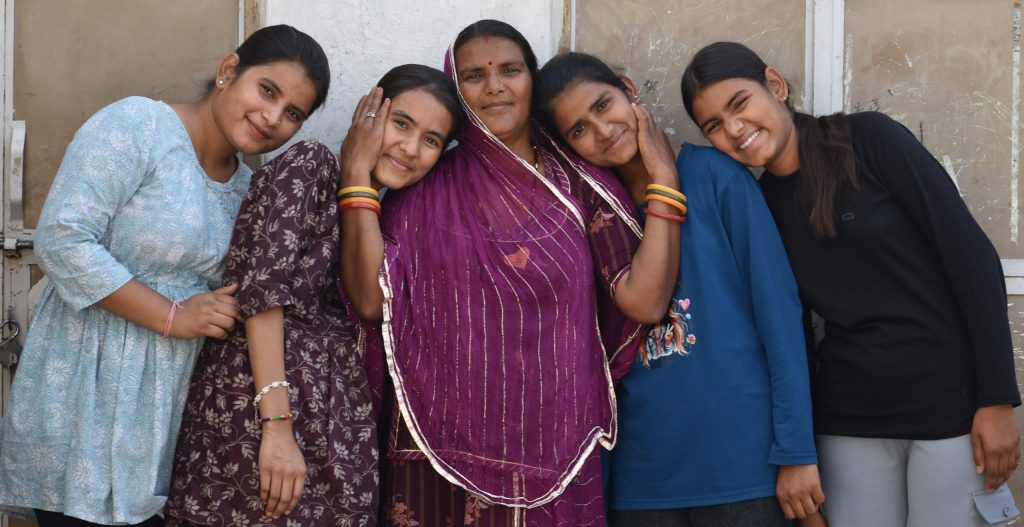 The Sargara siblings now work with purpose rather than out of necessity, pursuing career pathways. Each trained sibling contributes financially while also mentoring the younger ones, transforming their household into a self-sustaining path for upward mobility.
What began as a single training opportunity has led to a significant economic and social transformation for the entire family. This illustrates how skill development not only strengthens individuals but also bolsters rural households.
Relevance is equally important. Training should be driven by demand rather than supply. By mapping local and regional labour markets, engaging with employers, and aligning curricula with genuine job requirements, we can ensure that youth are employable in their communities, rather than just having certificates that do not lead to real opportunities.
Aligning Skills with Market Needs
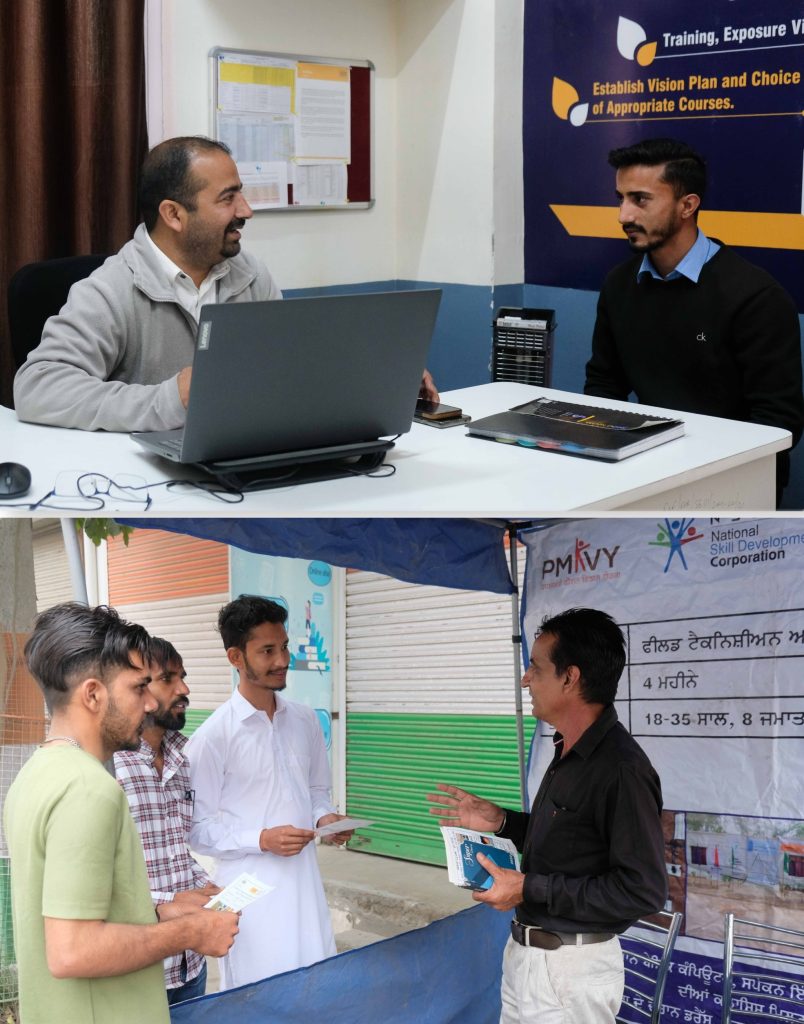 One major challenge for skilling initiatives in rural India is the mismatch in aspirations. Many youth equate success only with government jobs or urban office roles, while the country faces shortages of trained professionals in fields such as healthcare, logistics, finance, hospitality, and digital services.
These roles provide long-term job security, structured growth, and resilience through various economic cycles. However, awareness of such opportunities in rural areas remains low. Effective skilling programmes must combine counselling, exposure visits, alumni networks, and employer interactions to reshape perceptions about the value of blue-collar, technical, and service-sector jobs.
Relevance is equally important. Training should be driven by demand rather than supply. By mapping local and regional labour markets, engaging with employers, and aligning curricula with genuine job requirements, we can ensure that youth are employable in their communities, rather than just having certificates that do not lead to real opportunities.
Micro-entrepreneurs circulate money within their local economies. Rather than letting income flow out due to migration or dependence on external contractors, they generate and retain value within their villages. A household business can become a community service, transforming youth into employers.
From Skill Training to Rural Entrepreneurship
For many rural youths, employment represents only one path. Increasingly, skill training is seen as a way to foster entrepreneurship. Across rural India, young people are not just seeking jobs; they are creating them.
When skill training is paired with business education, financial literacy, and market access, youth begin to recognise opportunities in the everyday needs of their communities. For instance, a trained electrician may open a service unit; a hospitality trainee might start a catering business; a tailoring graduate could establish a stitching centre employing other women; and a digitally skilled individual could run a facilitation centre to help villagers access banking, government services, and online markets.
These micro-entrepreneurs circulate money within their local economies. Rather than letting income flow out due to migration or dependence on external contractors, they generate and retain value within their villages. A household business can become a community service, transforming youth into employers.
Entrepreneurship also diversifies family income sources. Instead of relying solely on wage labour, families can grow businesses that provide a sustainable livelihood over time. With mentorship and access to credit, these ventures evolve from mere survival activities into viable enterprises.
In this manner, skilling does more than place individuals in jobs; it nurtures a new generation of rural micro-entrepreneurs who empower households, create jobs, and invigorate local economies.
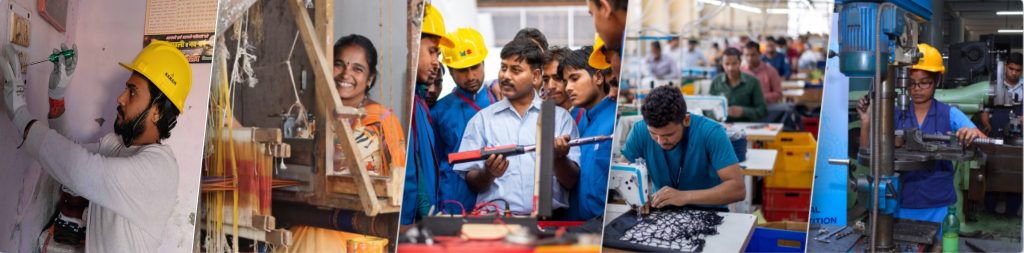
Skilling should be paired with mentoring, placement support, entrepreneurship guidance, and continuous learning, so that youth are not left to fend for themselves once training concludes. The objective should be long-term career growth and household stability, rather than merely achieving short-term employment. When skilling is integrated with education, livelihoods, and local business development, it becomes a cornerstone of rural transformation rather than a standalone effort.
Retaining Talent in Rural India
A less visible cost of ineffective skilling systems is the loss of talent. Villages often lose their youth to cities, resulting in ageing populations and weakened local economies. While migration will always be a reality, distress migration can be mitigated when young people see potential opportunities at home.
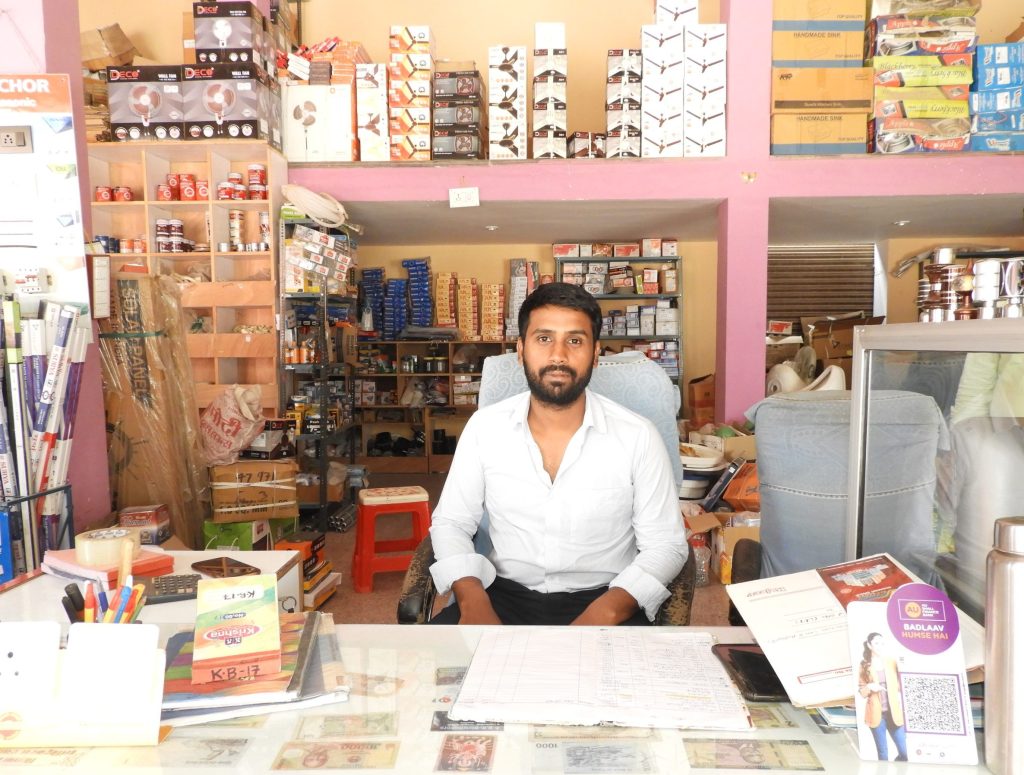 When skilled jobs and entrepreneurial ventures are available locally, youth are more likely to stay connected to their families, culture, and communities. They invest in local businesses, support village institutions, and contribute to rural development from within rather than from afar. A strong rural workforce does not abandon villages; it actively works to rebuild them.
Creating Ecosystems, Not Just Programmes
Effective skilling cannot occur in isolation. It requires collaboration among government agencies, industry, training institutions, and grassroots organisations. NGOs can help bridge aspirations with access, while industries ensure that skill training remains relevant. Local governance can support scalability, and communities can provide essential trust.
India’s growth narrative is not solely written in its cities. It is shaped in villages and small towns, in classrooms, workshops, and micro-enterprises that sustain local economies. Every rural youth who acquires a skill, whether by repairing homes, running a business, or assisting farmers with accessing services, contributes directly to their household and community.
Skilling should be paired with mentoring, placement support, entrepreneurship guidance, and continuous learning, so that youth are not left to fend for themselves once training concludes. The objective should be long-term career growth and household stability, rather than merely achieving short-term employment.
When skilling is integrated with education, livelihoods, and local business development, it becomes a cornerstone of rural transformation rather than a standalone effort.
Strengthening India’s Future from the Ground Up
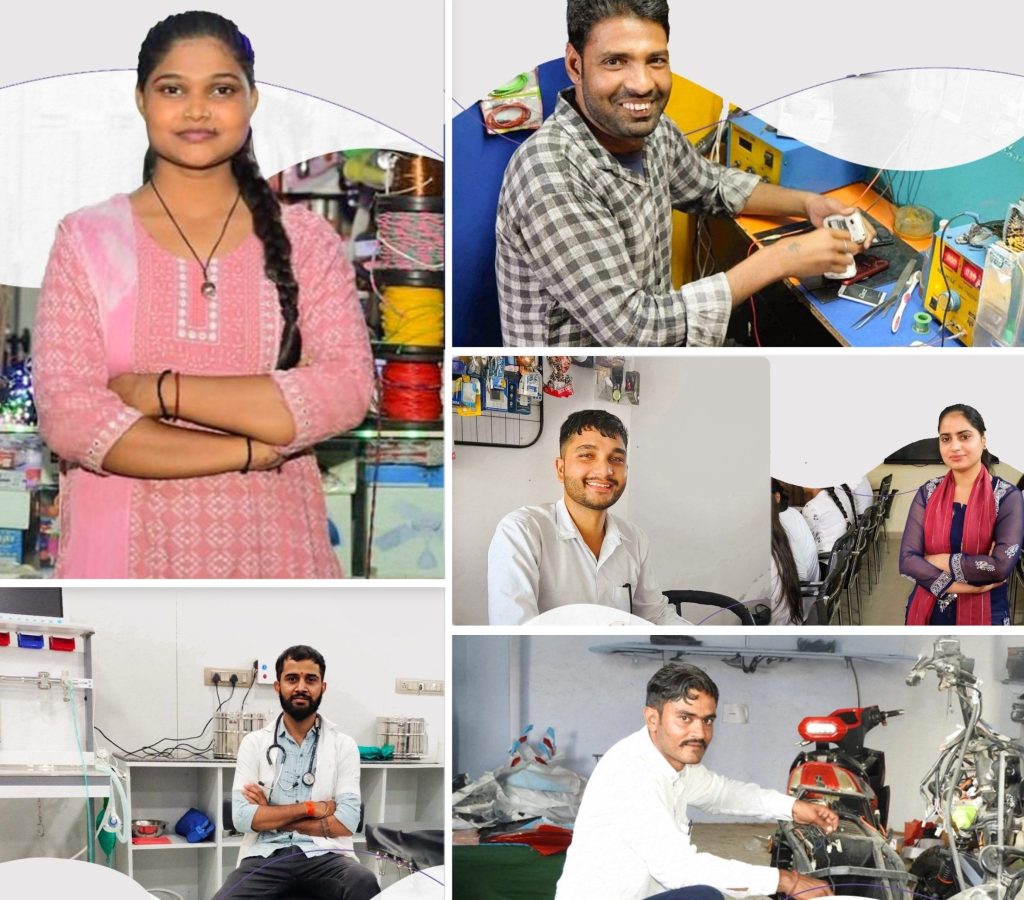 India’s growth narrative is not solely written in its cities. It is shaped in villages and small towns, in classrooms, workshops, and micro-enterprises that sustain local economies. Every rural youth who acquires a skill, whether by repairing homes, running a business, or assisting farmers with accessing services, contributes directly to their household and community.
By providing skill training to rural youth, households gain stable and diversified incomes, women are empowered, and families are better positioned for the future.