


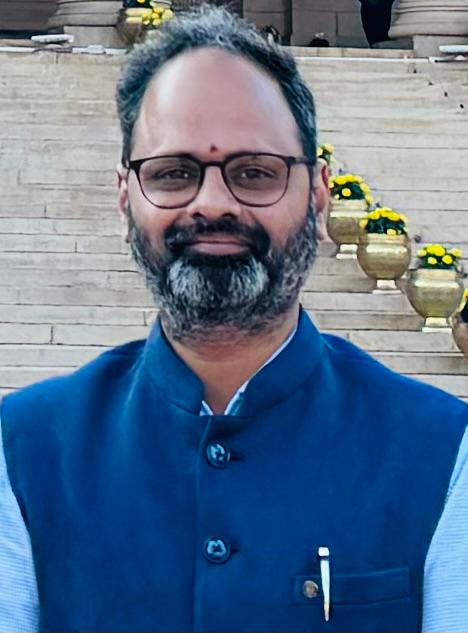
 Dr Praveen Kumar Reddy is the Director of Swami Vivekanand Health Mission Society.
In the vibrant tapestry of India’s healthcare landscape, the true treasures are not the bustling commercial centres, but rather the often-overlooked network of charity hospitals. With around one lakh of these institutions scattered across the country, they represent a remarkable 20 per cent of all hospitals in India. These hospitals play a vital role in the public health system, serving millions of patients and providing essential care where it is most needed.
What is striking about India’s healthcare scenario is the stark contrast it presents. On one end, you have state-of-the-art facilities that attract medical tourists, while on the other, countless rural clinics grapple with inadequate sanitation and limited resources. Amid this disparity, charity hospitals stand as a beacon of hope, ensuring that vital medical care is accessible to those who might otherwise go without. Their contributions to public health are invaluable, demonstrating the resilience and compassion within India’s healthcare system.
The Government is making tremendous strides to ensure that every citizen has access to free medical care. Meanwhile, the private sector is navigating its own path to profitability, all while a powerful force lies within the realm of charitable hospitals. These institutions are more than just ancillary players in the healthcare landscape; they form the very backbone of health and well-being for countless individuals. Recent industry estimates reveal that India boasts around five lakh hospitals, and impressively, about 20 per cent of these, roughly one lakh, are charitable trusts. Together, they are tirelessly working to advance the nation’s health, proving that compassion and care can make a monumental difference.
Charitable hospitals symbolise the tremendous strength of community, showcasing a remarkable standard of care fueled by compassion and generosity. They embody a nurturing spirit, ensuring that the health needs of the most underprivileged are addressed with dignity and warmth. Through their unwavering commitment and love, these hospitals create a healing environment that truly reflects our shared humanity.
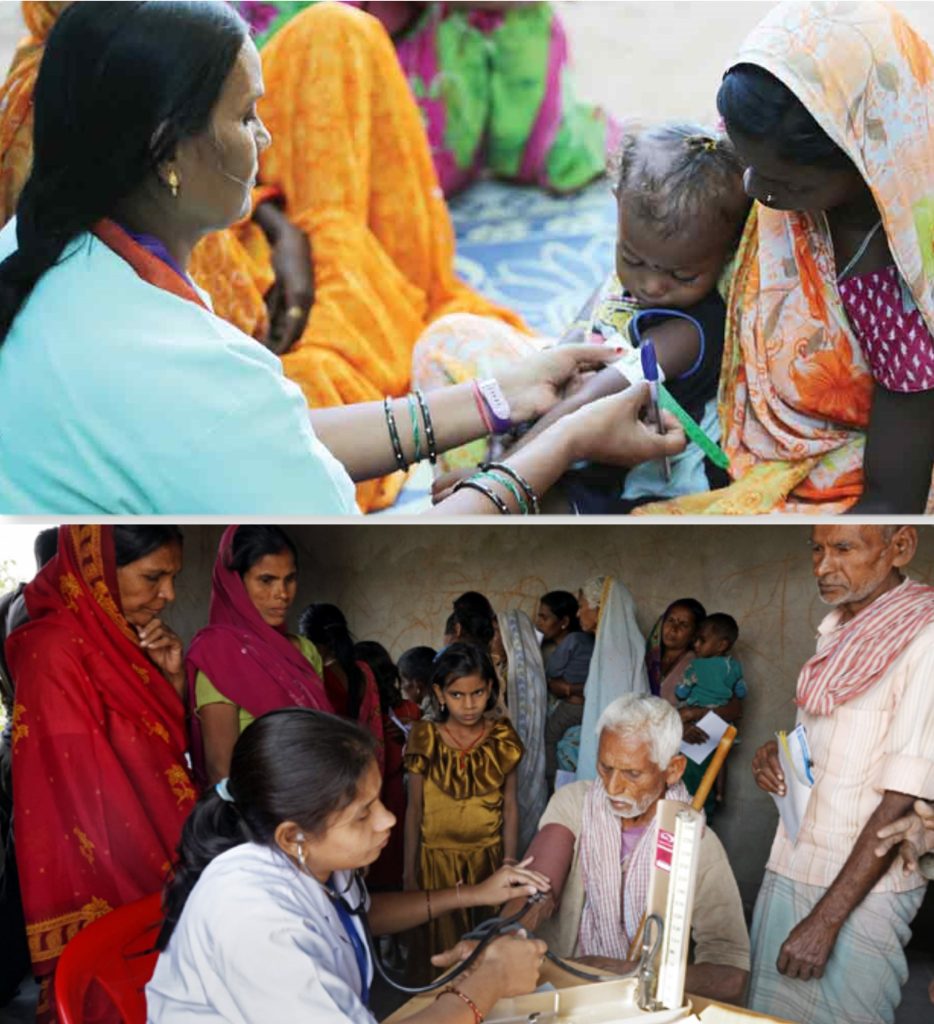 This outstanding number reveals an important truth: despite the difficulties in the entire healthcare system, the commitment of the charity organisations is still very much visible, giving rise to hope. These medical centres play a crucial role by providing compassionate and professional care to labourers, farmers, and the urban poor, who are often unable to access corporate hospitals or endure the discomfort of overcrowded public wards.
The charitable hospitals in this vibrant illustration symbolise the tremendous strength of community, showcasing a remarkable standard of care fueled by compassion and generosity. They embody a nurturing spirit, ensuring that the health needs of the most underprivileged are addressed with dignity and warmth. Through their unwavering commitment and love, these hospitals create a healing environment that truly reflects our shared humanity.
Bridging the Urban and Rural Healthcare Divide
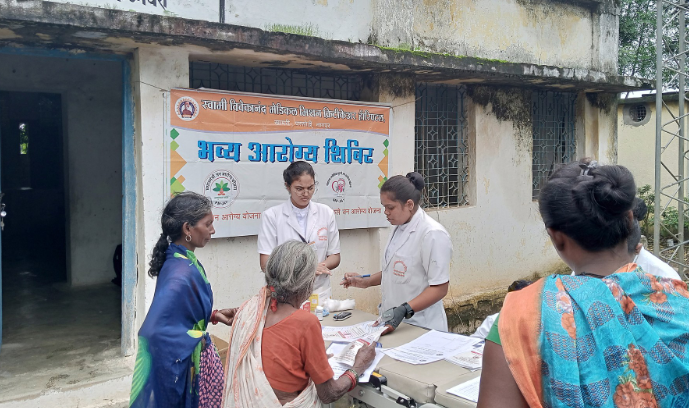 The chasm between urban and rural healthcare in India is a pressing challenge that remains largely unaddressed. In bustling cities, you will find some of the nation’s most advanced private hospitals, while countless individuals in the countryside struggle to access even basic medical care. Fortunately, charity hospitals and health-focused NGOs are stepping in to bridge this gap.
These organisations serve as vital lifelines, not just by establishing physical healthcare facilities but also by nurturing networks of trust in communities where government resources are often limited to crumbling buildings and empty promises. By focusing on primary and secondary healthcare in neglected regions, these trusts are transforming lives. They prevent minor illnesses from spiralling into life-threatening crises.
Their approach to healthcare goes beyond simply dispensing medication; they emphasise accessibility, clear communication, and cultural sensitivity. When a charitable trust opens a clinic in a remote area of Bihar or Odisha, profit is not its primary concern. Success is assessed by measurable outcomes: reduced maternal deaths, early detection of infectious diseases, and a significant improvement in community health. This mission-driven mindset ensures that even the most marginalised populations have a chance at better health and brighter futures.
What sets these hospitals apart is their unique moral compass. They thrive on a blend of dynamic management and a fundamental commitment to service, creating a rich tapestry of care that resonates throughout their communities. Their extensive reach is a testament to a successful, community-driven model that mobilises societal resources to address the basic healthcare needs of all. These hospitals prove that delivering high-quality healthcare and offering compassionate service can go hand in hand.
The Scale of a Collaborative Mission
To truly appreciate the impact of India’s healthcare system, one must recognise the incredible force of compassion at its core. In a nation bustling with diverse medical facilities, approximately one lakh hospitals operated by charitable trusts shine as beacons of hope and generosity. These institutions are not just an afterthought in the healthcare landscape; they play a pivotal role in shaping the ecosystem.
 Among this impressive number, around 2,000 are specialised institutions that go beyond traditional care. They are at the forefront of medical innovation, constantly pushing the boundaries of research while providing exemplary service to those in need. This remarkable dual role is essential; they are powerhouses of high performance, committed to offering first-rate treatment regardless of a patient’s financial circumstance.
What sets these hospitals apart is their unique moral compass. They thrive on a blend of dynamic management and a fundamental commitment to service, creating a rich tapestry of care that resonates throughout their communities. Their extensive reach is a testament to a successful, community-driven model that mobilises societal resources to address the basic healthcare needs of all.
These hospitals prove that delivering high-quality healthcare and offering compassionate service can go hand in hand. What’s more, they exemplify a sustainable model that benefits everyone involved, showcasing that when we come together with a shared purpose, incredible things can happen.
Bridging Gaps with Heartfelt Commitment
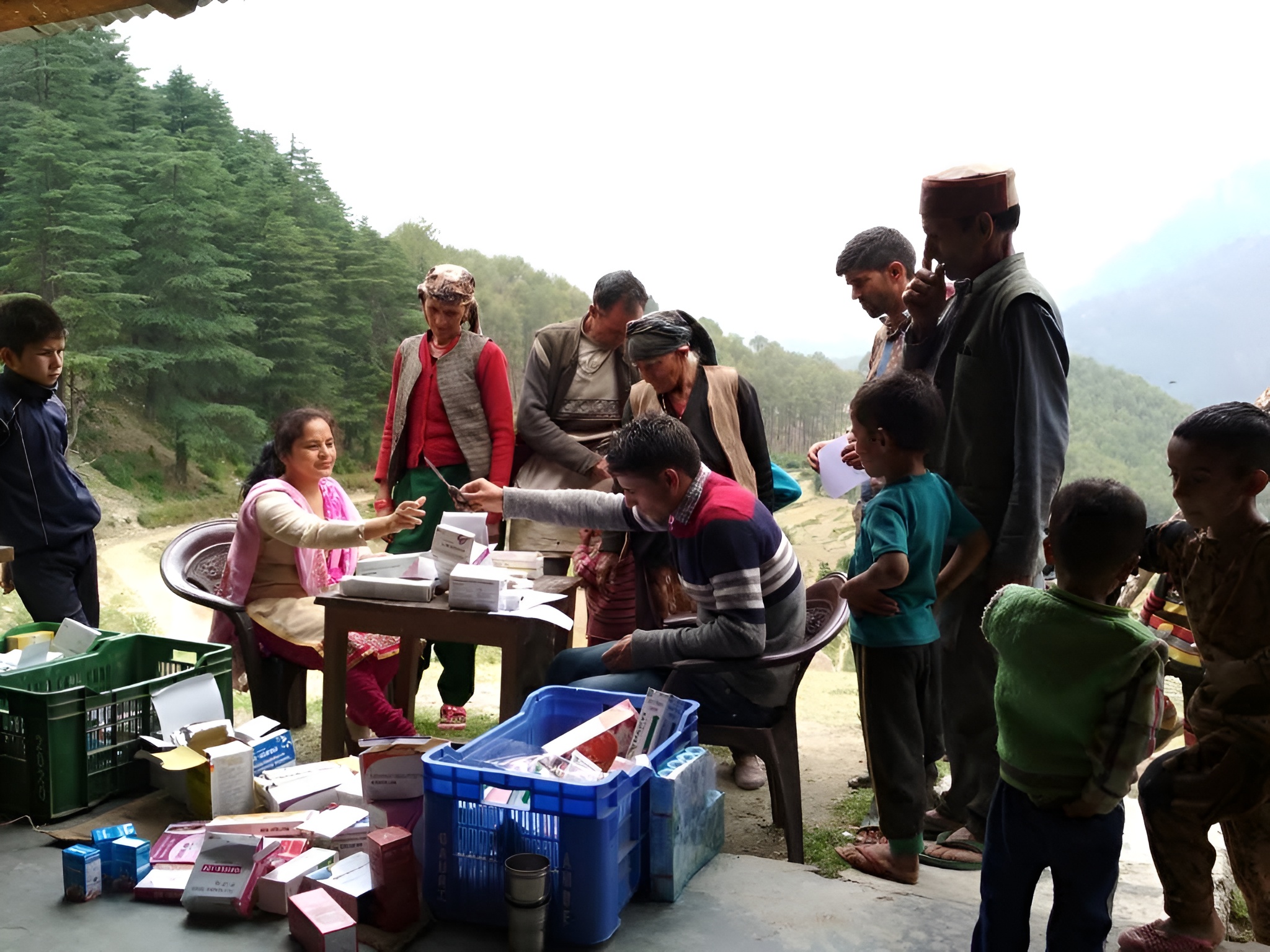
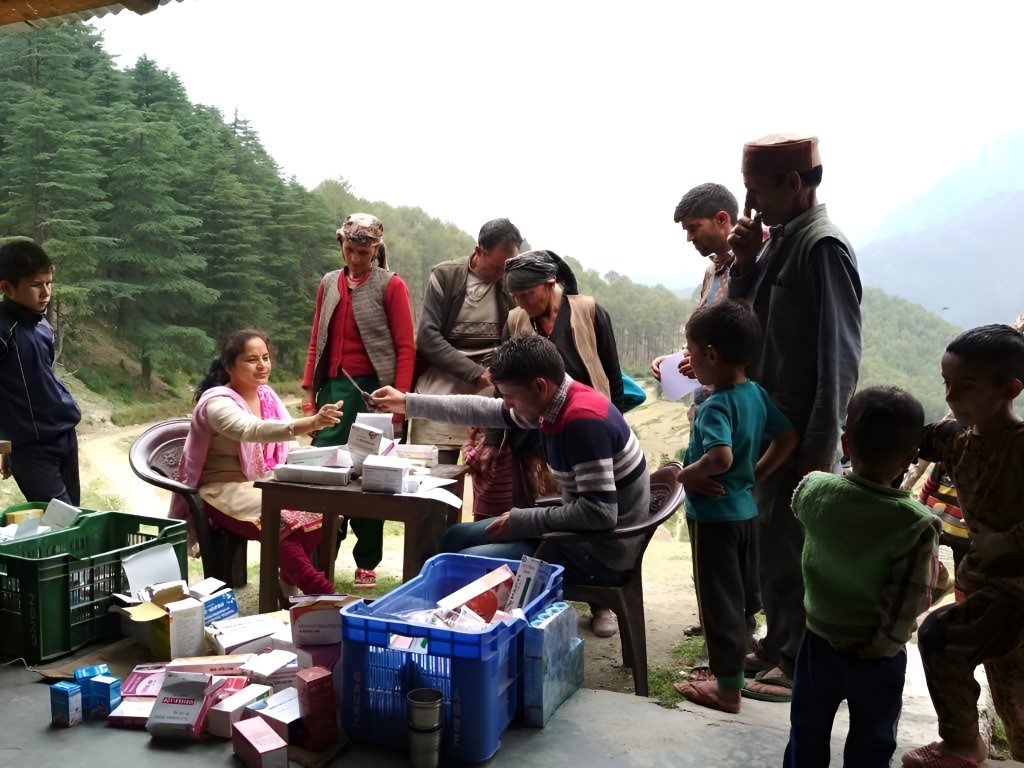
 In India, where more than 65 per cent of the population lives in rural areas, the effects of dedicated healthcare efforts are deeply felt. Charitable hospitals and non-profit organisations are transforming the landscape of medical access, working like miracle workers in these underserved regions. Picture mobile medical camps bringing specialists to remote villages, telemedicine clinics connecting patients with urban doctors, and community health workers fostering trust while educating locals on disease prevention and nutrition.
These initiatives are more than just temporary measures; they signify a lasting dedication to “bringing urban-level care to rural hearts.” It is about building something priceless: trust.
Through active community engagement, these healthcare institutions evolve into essential cornerstones of their communities. They tackle illnesses but also the overall health and well-being of the people, ensuring that no one is denied healthcare due to barriers of accessibility, affordability, or geography. Their relentless outreach transforms the vision of health for all into a tangible reality, bringing the advancements of India’s healthcare system to even the most overlooked areas.
Charitable hospitals in India are not just changing the game; they are rewriting the script for how we approach healthcare. No longer confined to mere service providers, these institutions are stepping into the role of vital collaborators in a broader national health strategy aimed at sustainable impact. Imagine a future where these hospitals forge deeper connections with charity trusts, community groups, digital innovators, and public health initiatives to create a powerful synergy that benefits everyone.
Innovating for Access: A Transformative Journey
In the ever-evolving landscape of healthcare, one notable quality is the sector’s remarkable ability to adapt and innovate when tackling the significant challenge of affordability. Charitable hospitals have stepped up, leading the charge with pioneering solutions that directly address the high cost of care. At the forefront of this revolution is the powerful integration with digital crowdfunding platforms, which has emerged as a game-changer.
This dynamic collaboration between hospitals and crowdfunding platforms has created a lifeline for those in need. Hospitals bring their expertise and compassionate care, while these platforms harness the collective power of micro-donations from people across the nation. Together, they form a robust support network that enables individuals to contribute directly to the treatment of others. The impact is profound: timely financial support for essential treatments ensures that life-saving surgeries are not delayed, igniting hope in the hearts of patients and their families.
 Rather than arriving at a charitable hospital filled with despair, patients are greeted with a beacon of hope and a clear path forward. This remarkable interplay of technology and empathy showcases how digital tools can amplify compassion on a national scale. With this innovative ecosystem, resources flow to the areas that need them most, exemplifying a modern, philanthropy-driven approach to public healthcare. By engaging the community directly in the healing process, we are reshaping the future of care, where everyone plays a vital role in harnessing the power of empathy for those in need.
The tale of charitable hospitals in India is one of unwavering service and solidarity. These institutions embody compassion, stretching from high-tech urban centres to humble village clinics, providing support across the entire health system. They exemplify that a nation’s health is a collective triumph; a shared journey towards wellness. As key allies in the pursuit of universal health coverage, these hospitals remind us that the essence of healthcare lies not just in technology and policies but in the deep-rooted human kindness and collective purpose that drives us all.
A Foundation for the Future: Building a Healthier India Together
Charitable hospitals in India are not just changing the game; they are rewriting the script for how we approach healthcare. No longer confined to mere service providers, these institutions are stepping into the role of vital collaborators in a broader national health strategy aimed at sustainable impact. Imagine a future where these hospitals forge deeper connections with charity trusts, community groups, digital innovators, and public health initiatives to create a powerful synergy that benefits everyone.
Imagine specialised centres of excellence emerging in rural areas, providing advanced diagnostics and surgical care that bring healthcare right to patients’ doorsteps. This vision includes empowering more community health workers through charitable institutions, cultivating a skilled workforce that can make preventive care accessible to all.
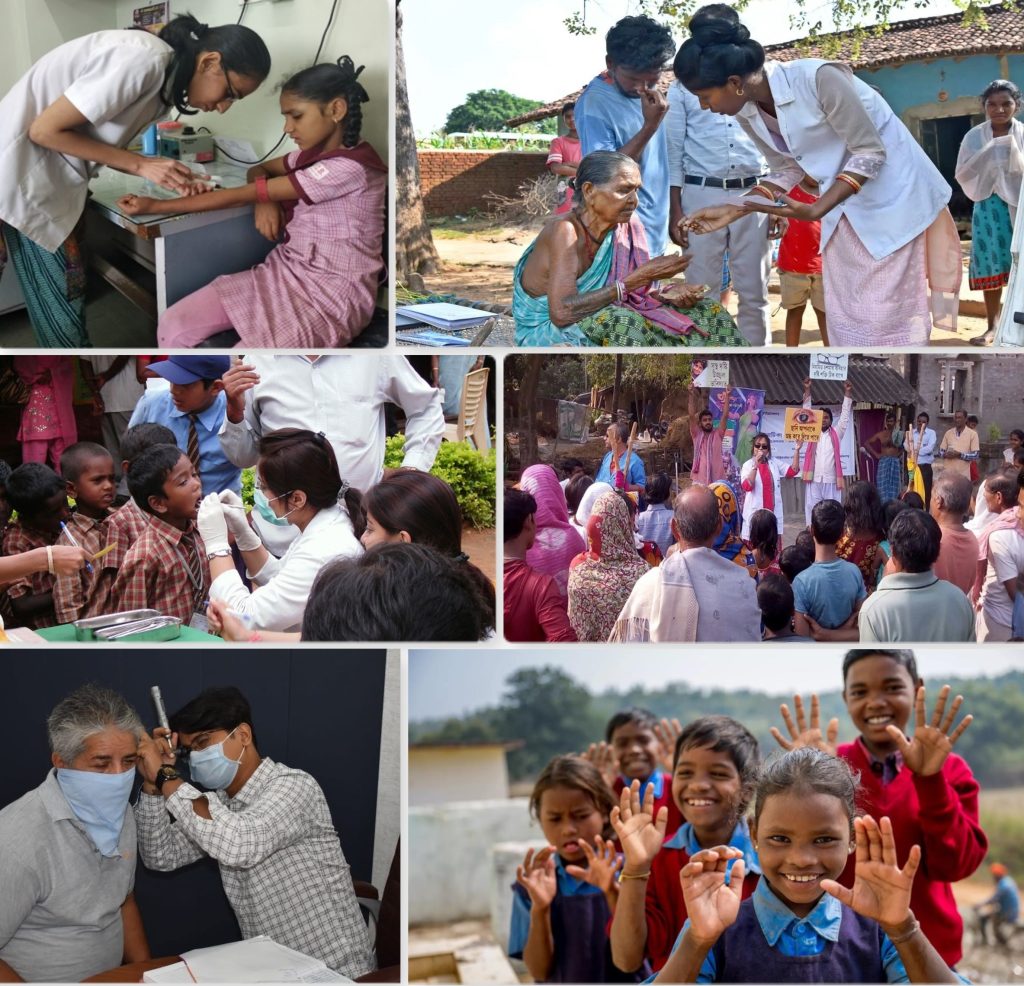 The wealth of data and insights collected by these countless hospitals on the frontlines is a treasure trove for understanding public health and crafting targeted national programmes. Their strong connections with the communities they serve make them ideal partners for essential initiatives such as extensive vaccination drives, health and hygiene awareness campaigns, and the early detection of non-communicable diseases. If India embraces this expansive network as a cornerstone of public health rather than merely a treatment option, it can unlock immense potential for transformation.
The Bottom Line
The tale of charitable hospitals in India is one of unwavering service and solidarity. These institutions embody compassion, stretching from high-tech urban centres to humble village clinics, providing support across the entire health system. They exemplify that a nation’s health is a collective triumph; a shared journey towards wellness. As key allies in the pursuit of universal health coverage, these hospitals remind us that the essence of healthcare lies not just in technology and policies but in the deep-rooted human kindness and collective purpose that drives us all. The path ahead is rich with possibilities: partnerships, innovations, and collaborative efforts where every contribution adds to the grand vision of a healthier India for everyone.