



 Kalyan Chakrabarti is the CEO of Emaar India.
Corporate Social Responsibility (CSR) in India has made great strides. Two decades ago, it largely meant organising a health camp or a few community activities. Today, CSR has evolved into a core part of corporate purpose and social impact strategy.
The Companies Act, 2013, which made CSR mandatory for large enterprises, marked a turning point. Since then, both the scale and seriousness of CSR efforts have grown steadily. In FY24, CSR spending reached about ₹17,967 crore, reflecting a healthy 16 per cent rise over the previous year.
Yet, challenges remain. According to the Developmental Intelligence Unit (DIU), a joint initiative of Transform Rural India and Sambodhi Research, around 60 per cent of CSR funds flow to just six States: Maharashtra, Tamil Nadu, Karnataka, Andhra Pradesh, Delhi, and Gujarat. The rest of the country, particularly rural and less developed regions, together receive less than 20 per cent of total CSR allocations.
This imbalance cannot be ignored. For CSR to truly serve its purpose, resources must reach the areas that need them most. Otherwise, it risks deepening inequalities instead of bridging them.
It is tempting to think that money alone can solve social problems. But those who work in the development sector know otherwise. While corporations bring funding, scale, and infrastructure, NGOs contribute trust, local insight, and community-driven programme design. Each brings unique strengths that, when combined, create lasting impact. When these two forces join together, their impact is significantly enhanced.
The Significance of Purposeful Partnerships between Corporations and NGOs
It is tempting to think that money alone can solve social problems. But those who work in the development sector know otherwise. While corporations bring funding, scale, and infrastructure, NGOs contribute trust, local insight, and community-driven programme design. Each brings unique strengths that, when combined, create lasting impact.
When these two forces join together, their impact is significantly enhanced. In Bengaluru, for example, organisations like the Sikshana Foundation and Akshaya Patra have teamed up with corporate partners to strengthen government schools. Their work went beyond simply renovating classrooms; they also implemented health check-ups, counselling services, and career guidance. The results were noticeable, leading to improved student performance and increased engagement in schools.
Purposeful partnerships between corporates and NGOs are, therefore, not just beneficial; they are essential for building sustainable, inclusive development.
Empowering Communities through Collaborative CSR
Another inspiring initiative emerged in rural Tamil Nadu, where corporates partnered with women’s self-help groups and NGOs such as the Vizhuthugal Organisation to bring school dropouts back into the classroom. The programme was designed holistically. As the children received support to re-enter the education system, their mothers were provided vocational training in tailoring, dairy, and handicrafts, along with access to markets for their products.


India has set its sights on an ambitious goal – Viksit Bharat 2047. Achieving this vision, however, cannot rest on government programmes alone. While flagship initiatives such as Skill India, Digital India, Beti Bachao Beti Padhao, Samagra Shiksha Abhiyan, and the National Rural Livelihood Mission (NRLM) are driving change, their long-term success depends on effective local execution. This is where NGOs and CSR partnerships play a pivotal role.
This dual-impact approach ensured that families not only prioritised their children’s education but also built pathways to financial stability. Over time, the same self-help groups that helped children return to school evolved into micro-entrepreneurs. By running small but sustainable businesses, these women lifted their households out of economic stress. Their incomes may appear modest on paper, but the dignity, confidence, and independence they gained were truly invaluable.
Such initiatives demonstrate the transformative power of CSR when strategy, empathy, and sustainability come together. They remind us that real social impact is not just about funding; it is about enabling people to shape their own future.
Aligning CSR with India’s National Vision
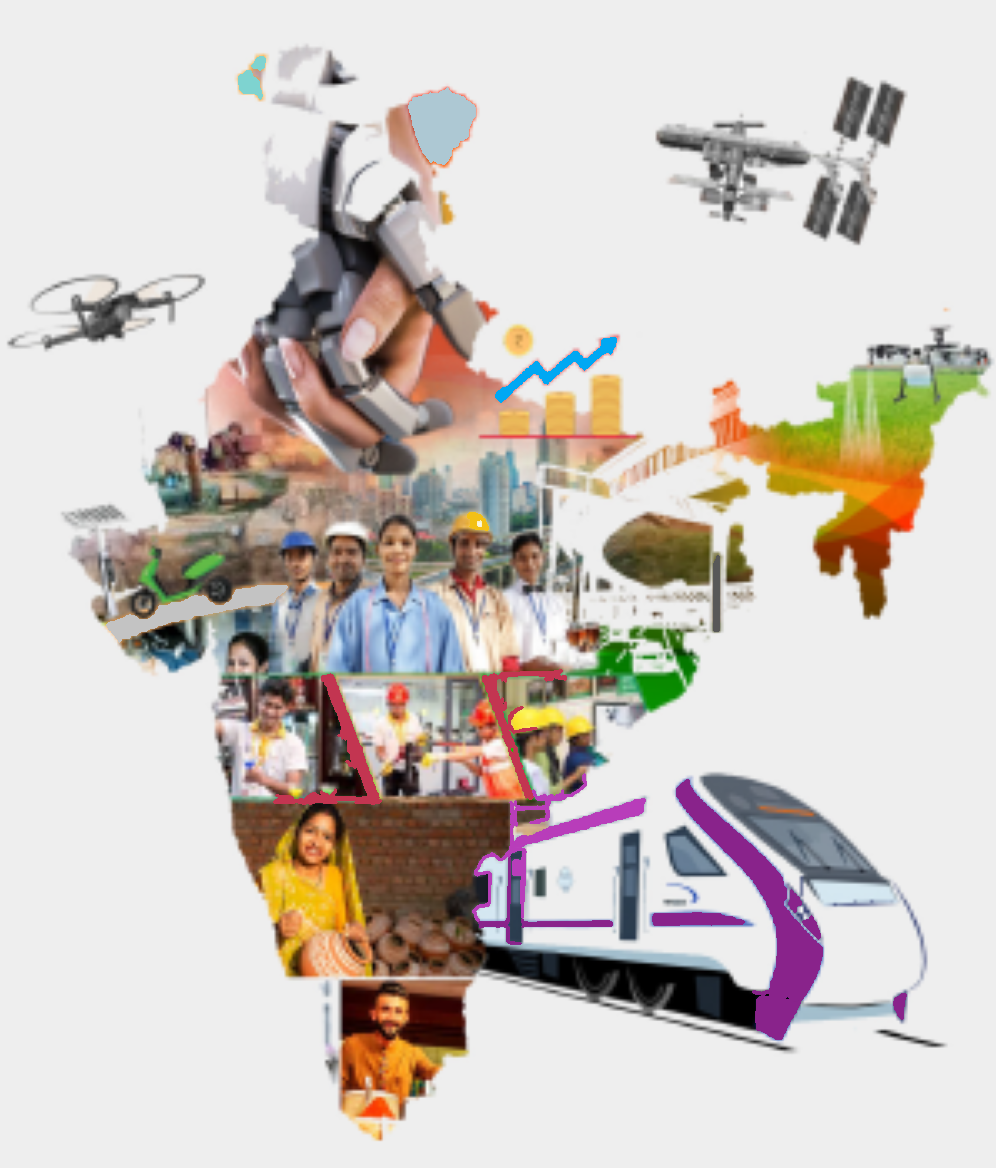 India has set its sights on an ambitious goal – Viksit Bharat 2047. Achieving this vision, however, cannot rest on government programmes alone. While flagship initiatives such as Skill India, Digital India, Beti Bachao Beti Padhao, Samagra Shiksha Abhiyan, and the National Rural Livelihood Mission (NRLM) are driving change, their long-term success depends on effective local execution. This is where NGOs and CSR partnerships play a pivotal role.
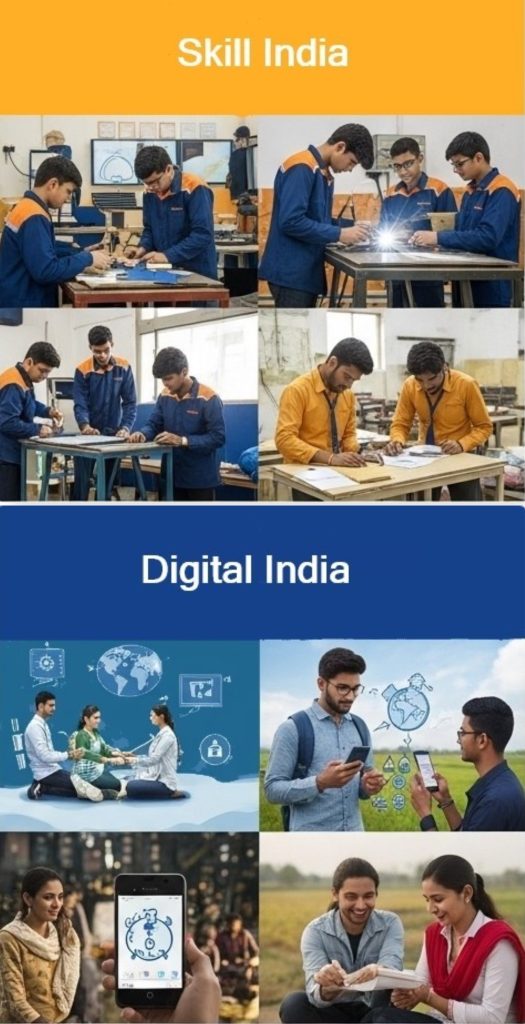 Skill India: NGOs are training youth in local languages and equipping them with practical, job-ready skills. Corporate partners can strengthen this by offering apprenticeships and placement opportunities.
Digital India: NGOs are establishing village centres to help women and elders learn digital literacy, covering skills from using smartphones to accessing online services and making digital payments. CSR support could expand these initiatives across remote regions.
 Beti Bachao Beti Padhao: NGOs conduct parental counselling and awareness drives to promote girls’ education and safety. CSR involvement amplifies these campaigns and broadens their outreach.
National Rural Livelihood Mission (NRLM): NGOs help self-help groups grow into small enterprises, while corporate collaborations connect them to larger markets, ensuring scale and sustainability.
India’s national development goals and CSR are, in essence, natural allies. When corporates align their CSR strategies with these missions, they do not just comply with a mandate, they help build the foundation for inclusive, equitable, and sustainable growth.
Emaar India has adopted a unique approach to Corporate Social Responsibility with its Beyond Limits Social Leadership Programme. This initiative aims to develop the social leadership skills of senior management, empowering them to make meaningful contributions to society. By focusing on enhancing these skills, the programme not only benefits the participants but also drives positive change within the community. The idea is simple yet powerful: leverage corporate expertise to strengthen NGOs that are already creating impact on the ground.
Prioritising Sustainable Community Impact
In its early years, much of India’s CSR activity was superficial and short-lived, limited to one-day health camps, scholarship schemes, or donation drives. While well-intentioned, these initiatives rarely lasted long enough to create a deep or measurable impact.
Today, the focus is shifting. Corporates increasingly recognise that CSR must be a long-term commitment, moving beyond transactional support to foster enduring social change. In FY 2023–24, CSR spending crossed ₹34,900 crore, yet many NGOs continue to face challenges such as delayed funding, complex paperwork, and limited technical support. Without strategic planning and continuity, even substantial financial investments can lose their effectiveness.
Experience from the field points to four guiding principles that define impactful CSR–NGO collaborations:
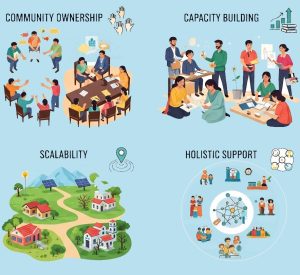 Community Ownership – Programmes thrive when beneficiaries take charge.
Capacity Building – Teaching skills that empower people long after the project ends.
Scalability – Creating models that can be replicated across regions.
Holistic Support – Addressing both livelihoods and overall well-being.
When CSR initiatives are built on these principles, they move beyond charity to create sustainable, community-led transformation that truly lasts.
Emaar India’s Social Impact Initiatives: NeoFusion and Uthaan
Emaar India has adopted a unique approach to Corporate Social Responsibility with its Beyond Limits Social Leadership Programme. This initiative aims to develop the social leadership skills of senior management, empowering them to make meaningful contributions to society. By focusing on enhancing these skills, the programme not only benefits the participants but also drives positive change within the community. The idea is simple yet powerful: leverage corporate expertise to strengthen NGOs that are already creating impact on the ground.
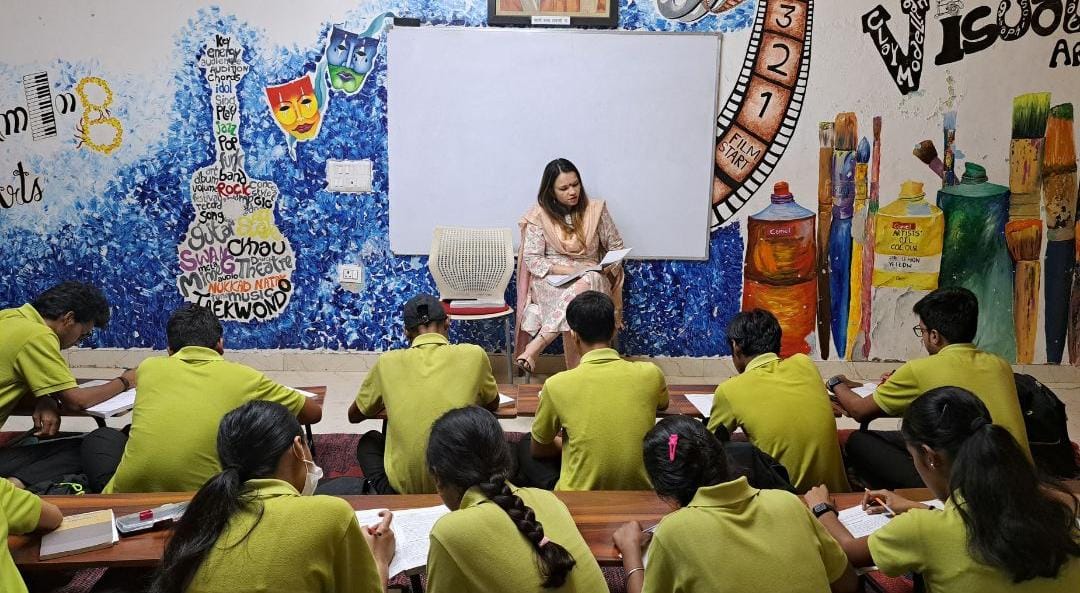 As part of this initiative, Emaar India has partnered with NeoFusion Creative Foundation and Uthaan, two organisations working in diverse but equally vital areas of social change.
NeoFusion Creative Foundation is dedicated to supporting vulnerable children, school dropouts, migrant youth, and adolescents facing financial challenges who are often overlooked by the formal education system. The partnership with Emaar has significantly strengthened NeoFusion’s brand presence, boosted its digital engagement, and expanded its media outreach. As a result, the Foundation has enhanced the scalability and sustainability of its programmes, which have already made a positive impact on the lives of 17 students.
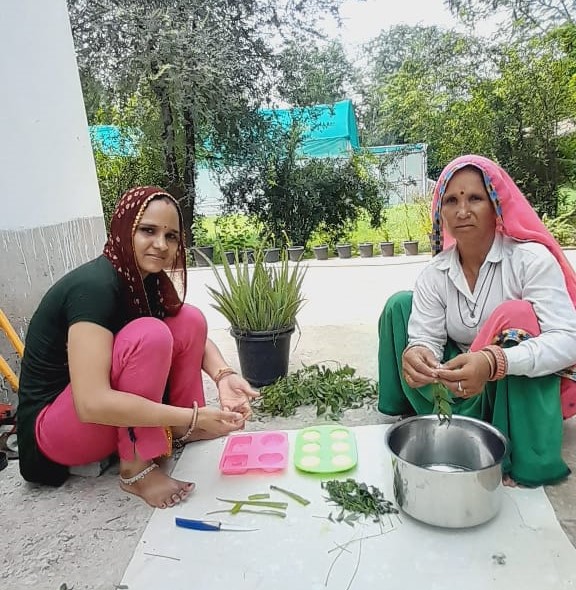 With Uthaan, an NGO focused on environmental conservation, organic farming, and women’s empowerment, Emaar has supported the creation of Subheccha Naturals, a handmade soap brand launched by women in a Rajasthan village. Through strategic brand building, digital visibility, and marketing support, this initiative has evolved from a small village enterprise into a professional, market-ready brand. It now empowers over 50 women with income, confidence, and independence, while also giving Emaar employees a deeper sense of purpose and contribution.
Emaar’s partnerships illustrate how corporations can move beyond funding to collaboratively create sustainable impact by merging professional expertise with grassroots innovation, ultimately building stronger and more resilient communities.
India’s CSR journey has made significant progress, but important gaps remain. Underdeveloped regions continue to receive disproportionately low funding, while developed States attract the majority of CSR resources. Consistency and long-term commitment, which are essential for meaningful impact, are still often lacking.
The Future of CSR in India
So, where is CSR in India headed? The landscape is evolving rapidly, and three key shifts appear inevitable:
From Philanthropy to Strategy: CSR will increasingly align with core business values and ESG (Environmental, Social, and Governance) commitments, making social responsibility a strategic advantage rather than a side initiative.
From Short-Term to Long-Term: Companies are likely to invest in multi-year programmes with measurable outcomes, ensuring a deeper and more sustainable community impact.
From Corporate-Led to Co-Created: The future will see communities playing a greater role in designing and implementing programmes, ensuring that initiatives address real local needs.
Technology will also be a game-changer. Digital monitoring, data-driven insights, and AI-based tools can make CSR projects more transparent, efficient, and outcome-focused. At the same time, climate action will rise on the CSR agenda, with companies investing in renewable energy, waste management, and sustainability initiatives.
India’s journey in Corporate Social Responsibility (CSR) is distinct, rooted in inclusivity and community development. However, it also learns from global best practices. The future looks promising, with a more strategic, collaborative, and technology-driven approach to social impact. In this evolving landscape, business growth and national development will progress in tandem.
Conclusion
 India’s CSR journey has made significant progress, but important gaps remain. Underdeveloped regions continue to receive disproportionately low funding, while developed States attract the majority of CSR resources. Consistency and long-term commitment, which are essential for meaningful impact, are still often lacking.
Successful initiatives illustrate the potential of effective collaboration between corporates and NGOs, resulting in transformative outcomes. At its core, Corporate Social Responsibility (CSR) should not be evaluated solely by numbers; rather, it should be assessed by the lives it changes, the partnerships it fosters, and the dignity it restores.
For India to achieve its goal of Viksit Bharat 2047, CSR needs to transition from a peripheral concern to a mainstream priority, recognised as a shared responsibility among all stakeholders. When strategy, empathy, and sustainability align, Corporate Social Responsibility can serve as a powerful engine for inclusive growth and lasting social impact.