



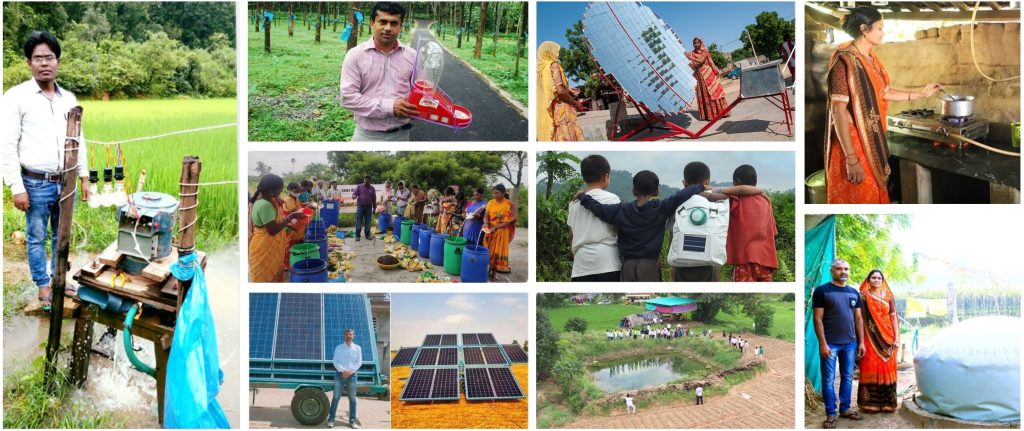
 Ankit Mathur is the Co-founder & CEO of Greenway Grameen Infra.
People often imagine innovation as something born in high-tech laboratories, corporate R&D centres, or sleek urban startups. Yet, contrary to popular belief, some of the most scalable and impactful innovations emerge from India’s rural heartlands.
True innovation goes beyond technology; it is about shaping solutions that create deep, global, and long-lasting change. In rural communities, daily choices such as food preparation and waste management become essential components of the nation’s environmental impact.
With more than 65 per cent of India’s population living in villages, these regions are not just sites of tradition but powerful grounds for transformation. By fostering climate-friendly practices and sustainable models in rural areas, India has the opportunity to align grassroots ingenuity with global conservation efforts. This proves that the path to a sustainable future often begins at the very heart of its villages.
Working Towards Being an Environmental Force
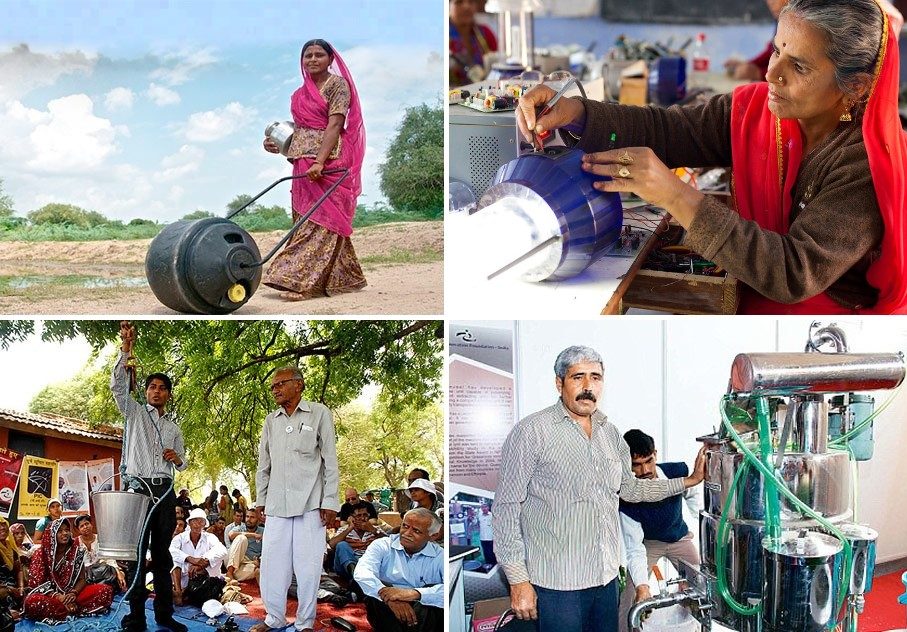 At its heart, rural innovation is about creating solutions that meet local needs while safeguarding the environment. These solutions can take many forms – from water-efficient farming techniques to clean cooking stoves that reduce harmful smoke emissions.
Environmentally, such practices contribute to reducing deforestation, carbon emissions, and conserving precious resources like water and soil. But the impact extends far beyond ecology. Socially and economically, these innovations open up new livelihood opportunities, save time and labour, reduce dependence on costly and unsustainable resources, and improve community health and well-being.
Innovation becomes truly transformative when it is people-led, and one of the most powerful drivers of such change is women in leadership roles. In many rural households, women are the primary decision-makers for water, food, and energy. Their lived experiences allow them to see both the practical and environmental benefits of adopting new practices, making them natural champions of innovation.
When these elements come together, they create an ecosystem where communities engage with resources, technologies, and opportunities in sustainable ways. Take, for example, a farmer adopting solar-powered irrigation systems. This shift is not only about reducing dependence on diesel, but it also means cutting emissions, building resilience against erratic power supply, lowering fuel costs, and ensuring more reliable productivity.
Women at the Forefront of Change
Innovation becomes truly transformative when it is people-led, and one of the most powerful drivers of such change is women in leadership roles. In many rural households, women are the primary decision-makers for water, food, and energy. Their lived experiences allow them to see both the practical and environmental benefits of adopting new practices, making them natural champions of innovation.
A striking example comes from tribal belts where women shifted from traditional smoke-heavy chulhas to cleaner cooking solutions. This change cut household smoke emissions by more than half. The benefits, however, extended far beyond cleaner air. Firewood use dropped significantly, saving hours of labour each week that women previously spent collecting wood. Many women went further. They trained neighbours, ensured proper maintenance of stoves, and even sold them. They turned innovation into both a social and economic opportunity.
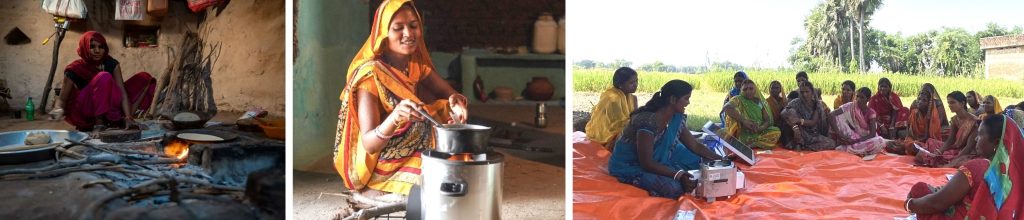
By stepping into roles as co-creators rather than passive recipients of technology, women ensure that solutions are not only adopted but also adapted to local contexts and sustained over time. Their leadership underscores a simple truth: when women lead change, entire communities move forward.
Farmers once relied heavily on chemicals and labour-intensive practices, often with uncertain outcomes. Now, innovations such as organic pest control, drip irrigation, and precision farming tools are transforming agriculture. These solutions conserve water, protect soil health, reduce chemical dependency, and strengthen resilience against unpredictable rainfall patterns. As a result, they help farmers secure both livelihoods and ensure food security.
Everyday Choices, Global Consequences
When people think of change, they often expect dramatic gestures or large-scale interventions. In reality, true transformation is usually a gradual process built on the foundation of small, everyday choices that amount to something far greater.
Clean Cooking Technologies
For generations, women spent countless hours at traditional mud stoves, their faces exposed to heat and thick smoke. Many villages have now adopted improved biomass stoves and LPG units. The results are immediate and significant: healthier indoor air, reduced reliance on firewood, and quicker cooking times. This shift alleviates the burden on women and promotes healthier households.
Sustainable Agricultural Tools
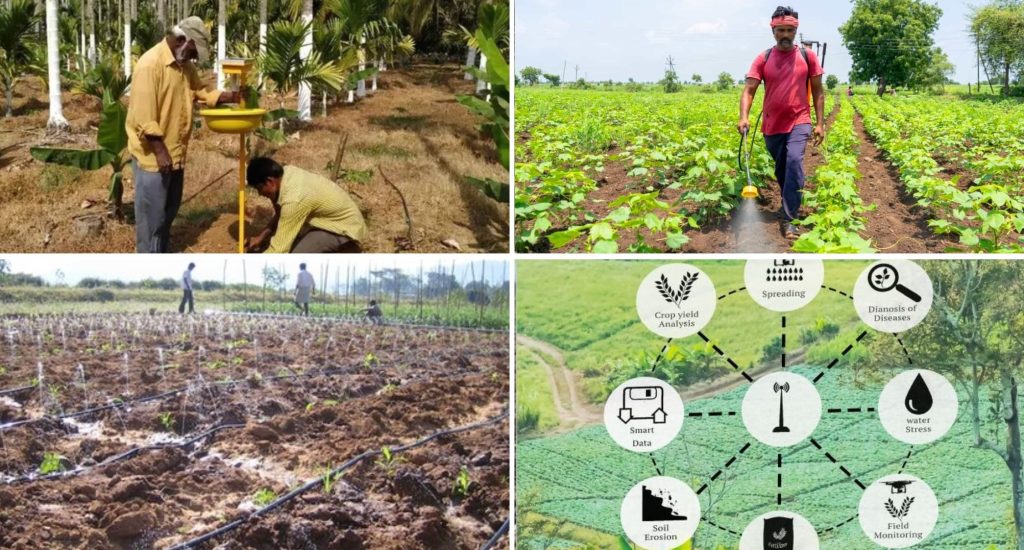 Farmers once relied heavily on chemicals and labour-intensive practices, often with uncertain outcomes. Now, innovations such as organic pest control, drip irrigation, and precision farming tools are transforming agriculture. These solutions conserve water, protect soil health, reduce chemical dependency, and strengthen resilience against unpredictable rainfall patterns. As a result, they help farmers secure both livelihoods and ensure food security.
 Decentralised Renewable Energy
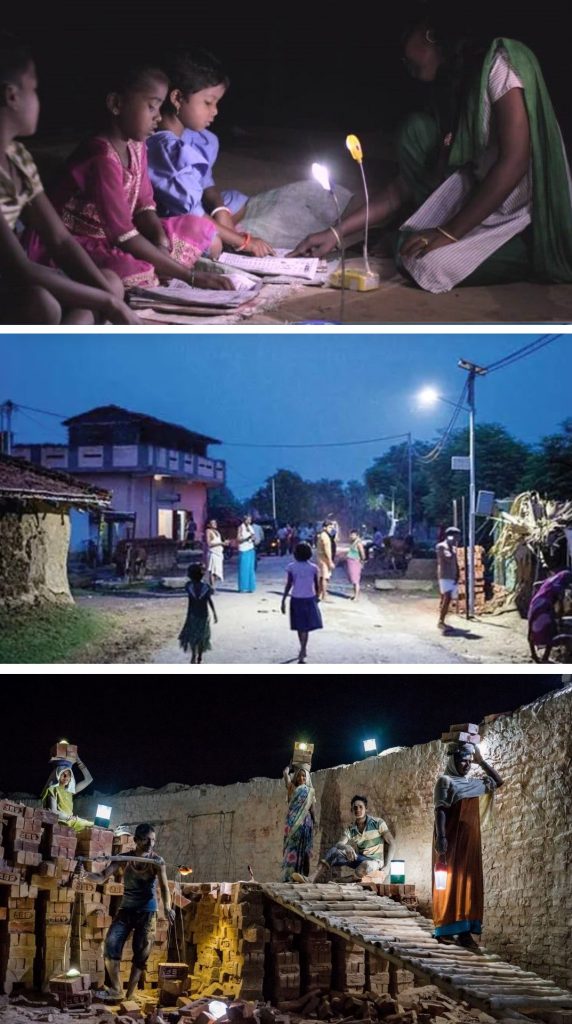
In many rural regions, unreliable electricity infrastructure often leaves communities without power. Decentralised solutions, such as solar lanterns and microgrids, are changing that story. By replacing kerosene lamps and diesel generators, they not only cut emissions but also extend shop hours, give children more time to study, and create safer, better-lit neighbourhoods.
These solutions demonstrate that sustainability is not only about protecting the environment, but also about meeting community needs in practical, empowering ways. When millions of households adopt such practices, small actions converge into a global climate solution.
When Policy and Community Go Hand-in-Hand
Government initiatives such as the Pradhan Mantri Ujjwala Yojana have played a crucial role in enabling clean cooking by providing LPG connections to rural women. While the policy was well-intentioned, it faced hurdles like limited access to information and the easy availability of free firewood. This highlights an important truth: policies alone cannot drive transformation. Real impact happens when communities are engaged, because rural households are deeply interconnected.
Even when organisations provide training, technical support, or durable products, adoption depends on community interest and trust. Success in one village often sparks rapid replication in neighbouring communities; therefore, spreading innovation like wildfire. This blend of policy and community ownership is crucial for achieving scalable environmental outcomes.
Moving Past the Roadblocks
The journey towards change is promising, but it is not without challenges. Financial barriers, weak infrastructure, and limited technical skills often decelerate progress. Yet, solutions such as microfinance, skill development programmes, and stronger rural connectivity can help communities overcome these constraints.
One of the biggest challenges many of them face is the transition in mindset regarding innovation. It is significantly more difficult to alter the perception of rural communities from that of passive beneficiaries to that of active innovators. Adapting to these changes will only occur once this massive shift is accomplished.
Rural innovation is more than just problem-solving; it is a bridge between global environmental goals and local realities. Beyond sweeping technological revolutions, it depends on human-centred changes that ripple outward, touching lives and landscapes in profound ways. The vision of an India where every farm runs on clean energy and every rural household cooks without harmful smoke may still seem distant, but it is not impossible. To get there, we must change our perspective. Rural communities are not passive recipients of charity; they are active drivers of innovation and resilience.
Growth Requires the Right Ecosystem
Overcoming barriers is possible, but for rural innovation to thrive, it requires a supportive ecosystem built on a balance of key factors:
 Knowledge Sharing: Information gaps are one of the biggest reasons for delayed adoption. Local-language training, peer-to-peer networks, and digital platforms can help build awareness, share practical skills, and strengthen confidence in new practices.
Community Leadership: Rural communities tend to move collectively, whether in adopting or rejecting change. Strong, trusted leaders can unify people, build consensus, and ensure that solutions are not only accepted but sustained.
When these factors converge, rural innovation becomes more than an isolated project; it grows into a movement that not only empowers communities but also sets the foundation for long-term sustainability and resilience.
The Road Ahead
Rural innovation is more than just problem-solving; it is a bridge between global environmental goals and local realities. Beyond sweeping technological revolutions, it depends on human-centred changes that ripple outward, touching lives and landscapes in profound ways.
The vision of an India where every farm runs on clean energy and every rural household cooks without harmful smoke may still seem distant, but it is not impossible. To get there, we must change our perspective. Rural communities are not passive recipients of charity; they are active drivers of innovation and resilience.
For large-scale environmental outcomes, the key lies in harnessing this resilience and leadership already present in rural India. The solutions exist; we only need to smooth out the rough edges, refine them, and scale them to reach every corner of the country.
This calls for cross-sector collaboration, where technology, community leadership, policy, and business align. It also means empowering rural women and youth to not just be adopters but distributors, trainers, and innovators in their own right. By doing so, the environmental, economic, and social benefits will multiply over time.
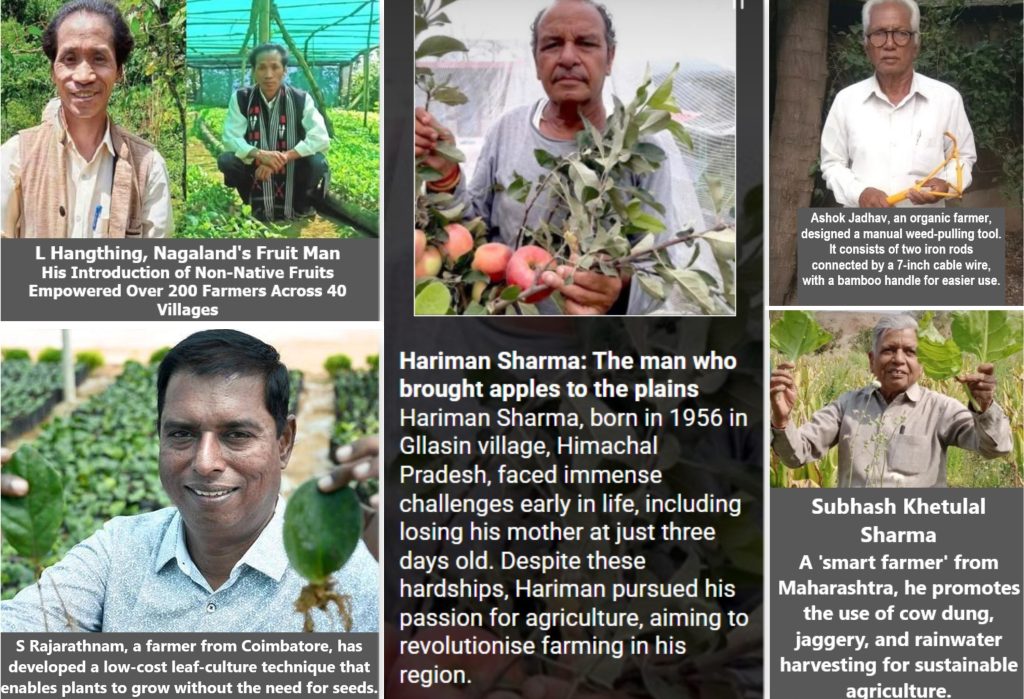
Innovation does not have to emerge only from city boardrooms or global summits. It can also be born under the shade of banyan trees, in village kitchens, or on small farms. These everyday spaces, when nurtured and respected, can become the true engines of environmental transformation.
India’s future can be greener, cleaner, and more sustainable, but only if we recognise and support the ingenuity of its villages. And when we do, rural communities will not just participate in the sustainability journey; they will lead it.