

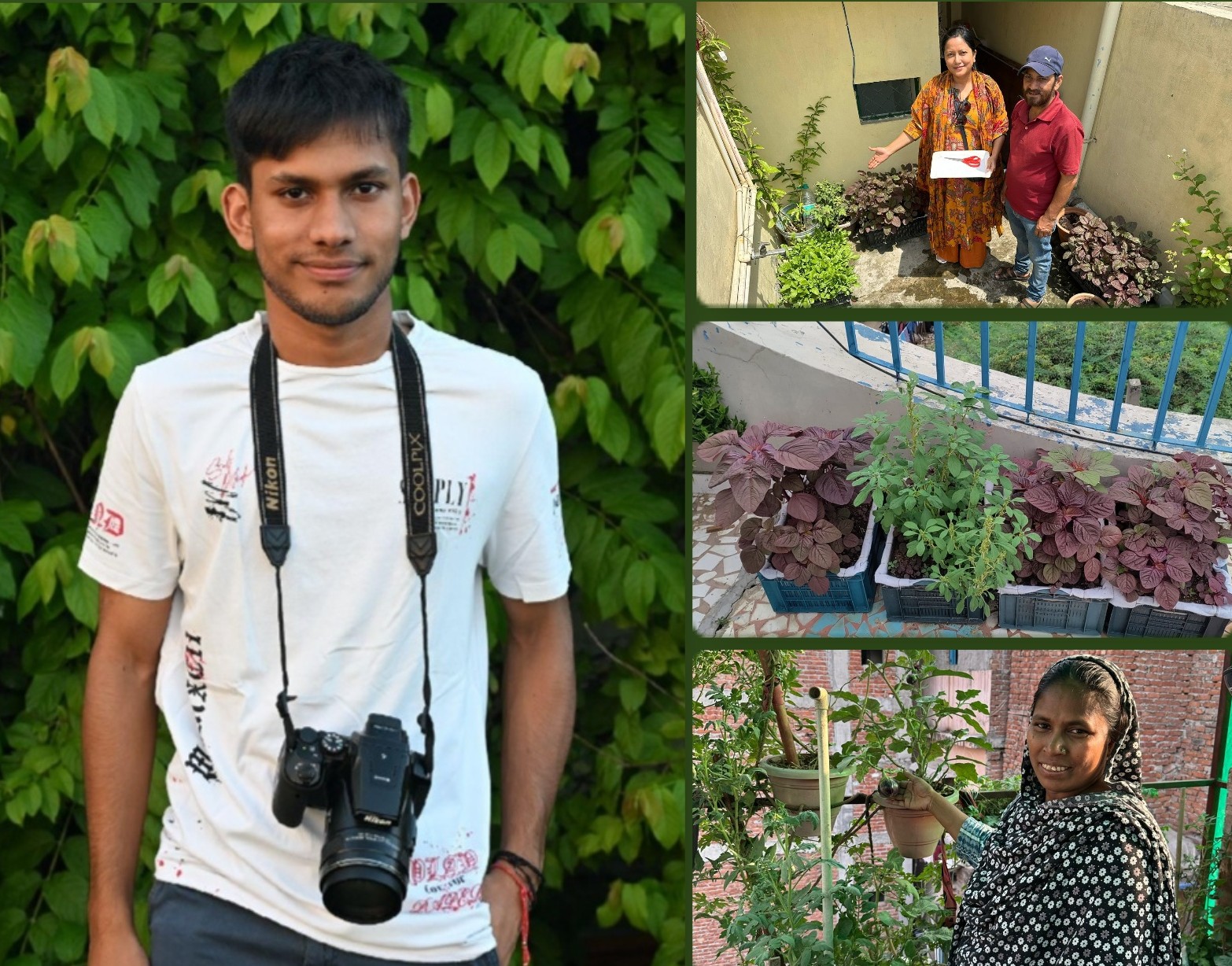
 New Delhi: In the heart of Delhi’s Nizamuddin Basti, a small but powerful movement is taking root. Led by 17-year-old Raghav Lal Rai, Basti Gardens of Hope is transforming unused corners of the community into thriving kitchen gardens, spaces that nourish both people and the planet.
Working with young people in his own age group and their mothers, Raghav is helping create so much more than just vegetable patches. The initiative brings technical expertise to set up kitchen gardens using recycled crates, which can be easily placed in small balconies or outside houses, apart from hands-on workshops on nutrition, soil health, seasonal planting, and sustainable gardening practices. The aim is to empower women with skills that reduce household expenses while improving children’s diets.
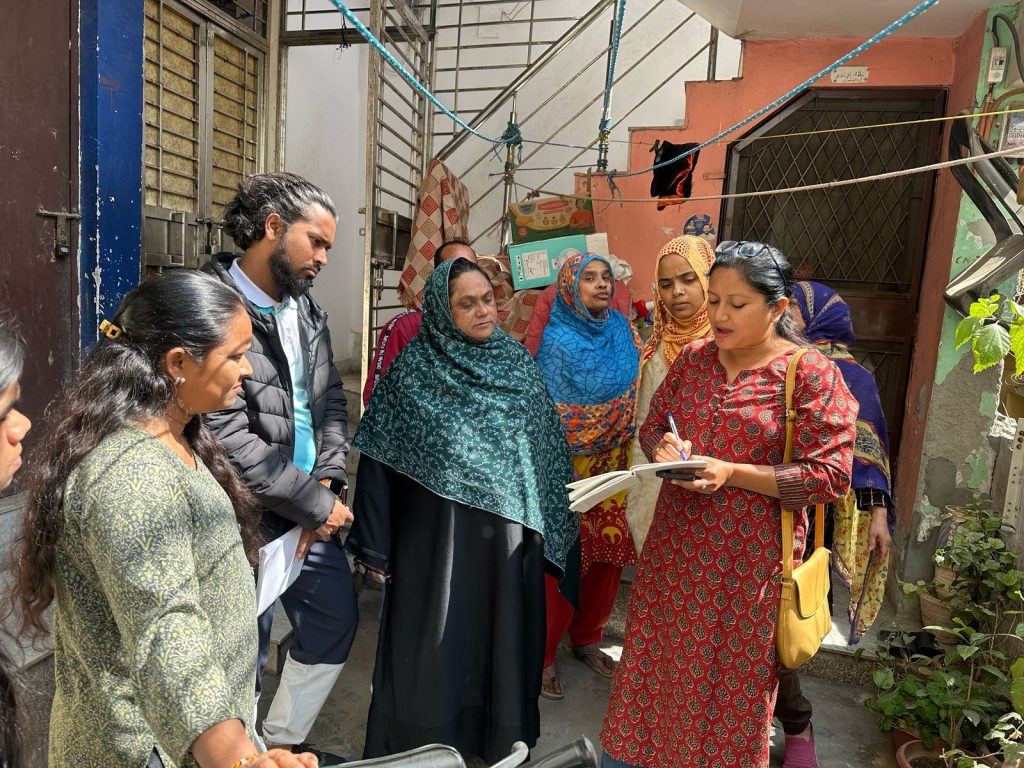 What began in Nizamuddin has already expanded to other neighbourhoods in Delhi, including Sarai Kale Khan, Aali Village (Sarita Vihar) and Kusumpur Pahadi, with more places to follow. With over 40 families participating, each garden is part of a holistic model that addresses food security, environmental stewardship, and social cohesion. The Basti Gardens of Hope are spreading the seeds of change, turning small spaces into vibrant, productive, and ecologically rich community assets.
Raghav’s journey has been shaped by his participation in More Than Play, a community development initiative of Khelo Tennis India Foundation, led by Jaideep Bhatia. “Raghav embodies the spirit of youth leadership,” says Bhatia. “Through Gardens of Hope, he has shown that young people can lead powerful, tangible change in their own communities.”
A unique feature of the project is its Pollinator Story, an educational effort that highlights the essential role of bees and other pollinators in sustaining ecosystems. It even surprises many to learn that bats are pollinators too – quietly working the night shift, they feed on fruits and help disperse seeds of larger trees, supporting the city’s green cover. The team is set to distribute specially designed seed sachets containing a mix of vegetable and flowering plant seeds that attract and support pollinators, helping urban biodiversity flourish.
“This is about creating hope from the ground up. When people see something they have planted grow, they not only learn about food and ecology, but also learn that change is possible,” says Raghav.
Through lived experiences and local knowledge, Basti Gardens of Hope is cultivating resilience, self-reliance, and an enduring connection to the earth, one garden at a time.