


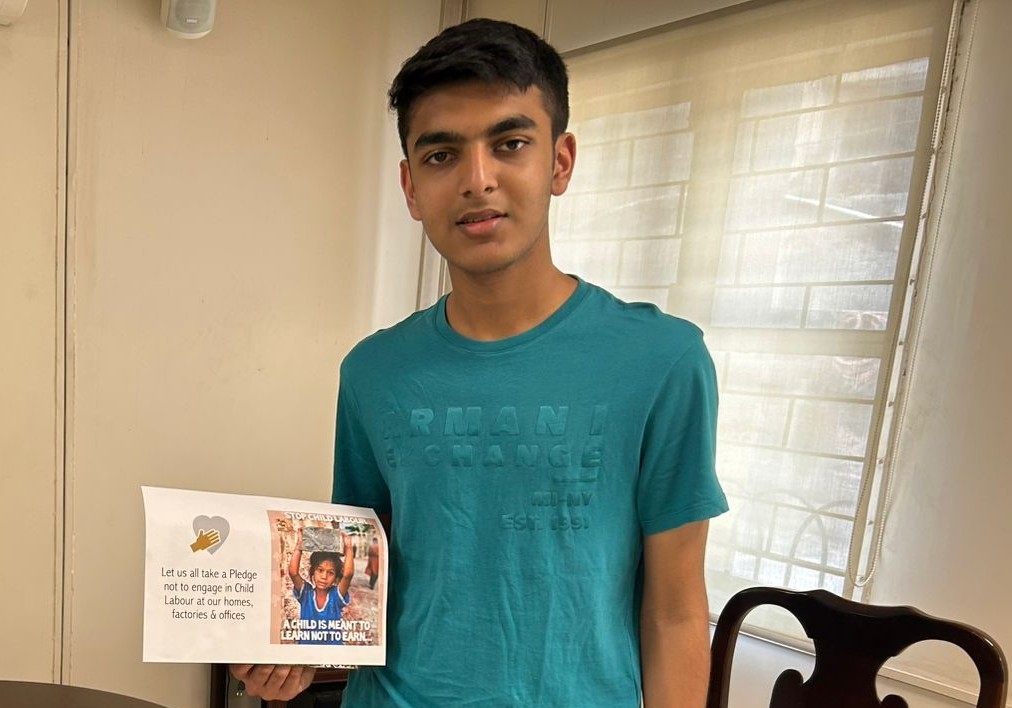
 While most 17-year-olds are busy with school exams and college applications, Ayaan Goyal, Founder of Child Rights Matter, is charting a very different course —one that leads to boardrooms, legal frameworks, and fundraising efforts to combat child labour. His vision is unflinchingly clear: child rights in India must move beyond moral rhetoric and CSR checklists to become deeply embedded in how businesses and communities function.
From authoring a nationally-endorsed guidebook for FMCG employees to launching Digital Udaan, a grassroots initiative equipping underserved children with digital skills, Ayaan has already mobilised ₹2.5 lakh through CSR support. And he’s only just begun. With a sharp focus on systemic reform, digital empowerment, mental health, and legal advocacy, he is crafting a new blueprint for how youth-led movements can shape both policy and practice.
CSR Mandate caught up with this young changemaker to explore what drives his mission, the challenges he has faced, and his vision for making child rights non-negotiable.
What inspired you to start Child Rights Matter at such a young age?
 My journey began with a simple but deeply unsettling moment. I was visiting a family friend’s house when I met Krishna, a boy about my age, silently washing dishes in the kitchen. He was not there to play or study. He was working. Soon after, I noticed young boys at my tennis club working tirelessly as ball boys. When I asked about them, the coach said they were paid and fed.
That discomfort stayed with me. It soon turned into curiosity, and then into action. I began researching India’s child labour and education laws, and I was stunned by the gap between what was promised on paper and what played out on the ground.
As I grew older, I came to see that child rights are not just a moral issue; they are institutional, systemic, and deeply linked to how industries operate. That realisation prompted me to author Ensuring Child Rights: A Guide for Socio-Behavioural Practices for FMCG Employees. My aim was to help shift the conversation around child labour from good intentions to concrete action: in boardrooms, supply chains, and day-to-day operations. I eventually founded ChildRightsMatter.com to bring together all these threads: field experience, legal research, policy advocacy, and corporate accountability, into a single platform.
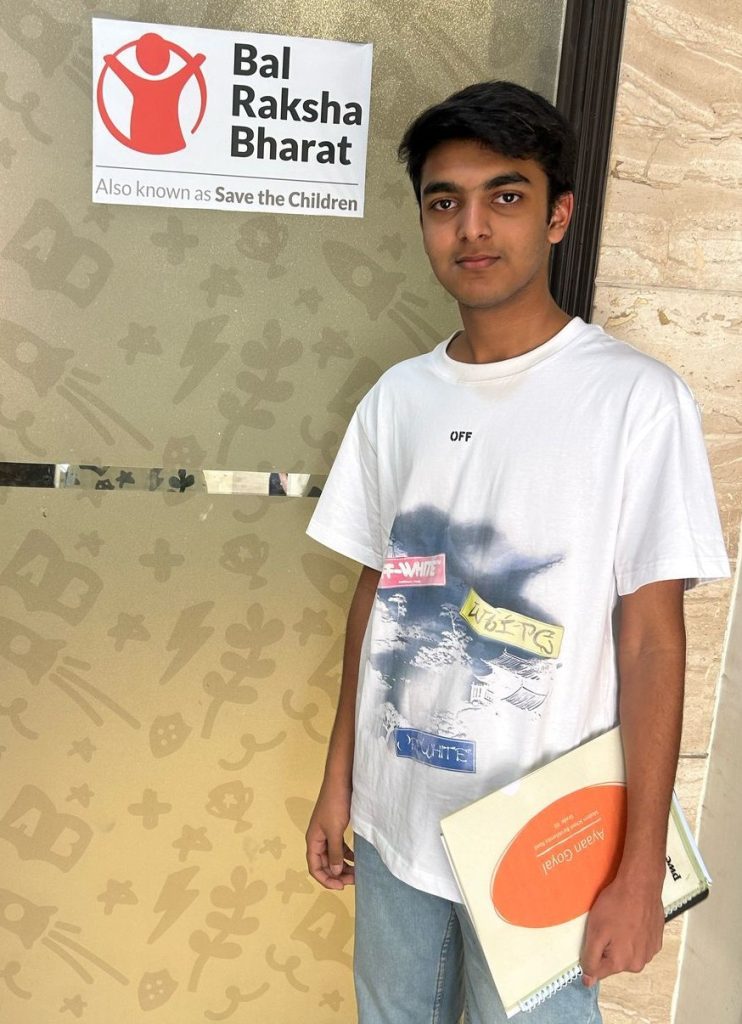 That summer, I volunteered with CRY (Child Rights and You), where I found others who shared my concern and sense of urgency. I channelled my discomfort into something more tangible: building websites, organising campaigns, and leading fundraising efforts. Each step became a thread in the larger web I was trying to weave to protect and empower children like Krishna.
As I grew older, I came to see that child rights are not just a moral issue; they are institutional, systemic, and deeply linked to how industries operate. That realisation prompted me to author Ensuring Child Rights: A Guide for Socio-Behavioural Practices for FMCG Employees. My aim was to help shift the  conversation around child labour from good intentions to concrete action: in boardrooms, supply chains, and day-to-day operations.
I eventually founded Child Rights Matter (www.childrightsmatter.com) to bring together all these threads: field experience, legal research, policy advocacy, and corporate accountability, into a single platform. My age gave me access to the world of childhood; I felt a responsibility to use that access to stand up for those who did not have a voice.
What were the biggest challenges you faced while engaging industry leaders and grassroots communities?
One of the biggest challenges was to be taken seriously. I am still in high school, and to many adults, especially in the corporate world, I was just a kid. Some companies did not view children’s rights as a business priority. Others dismissed my emails or declined without offering much explanation. Breaking through that wall of perception was difficult, but it only strengthened my resolve.
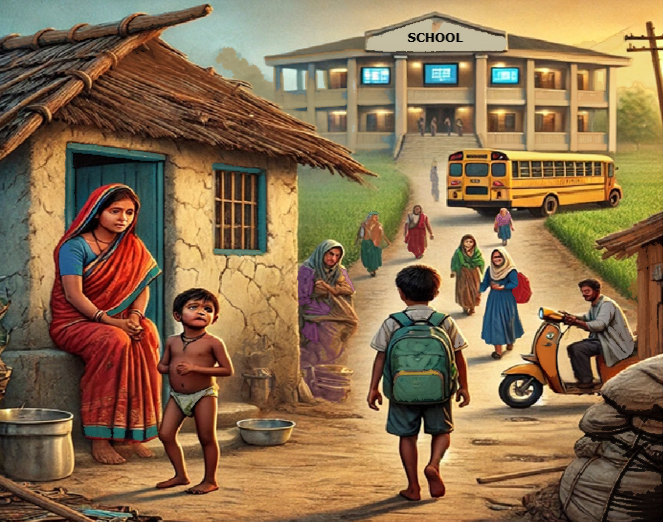 At the grassroots level, the challenges were of a very different kind. Many parents from underserved communities did not believe education could truly transform their child’s future. For families living day to day, the idea of long-term investment in learning often feels unrealistic. They had seen too many examples of education not translating into opportunity. For them, having a child contribute financially, however small the amount, seemed more practical than sending them to school.
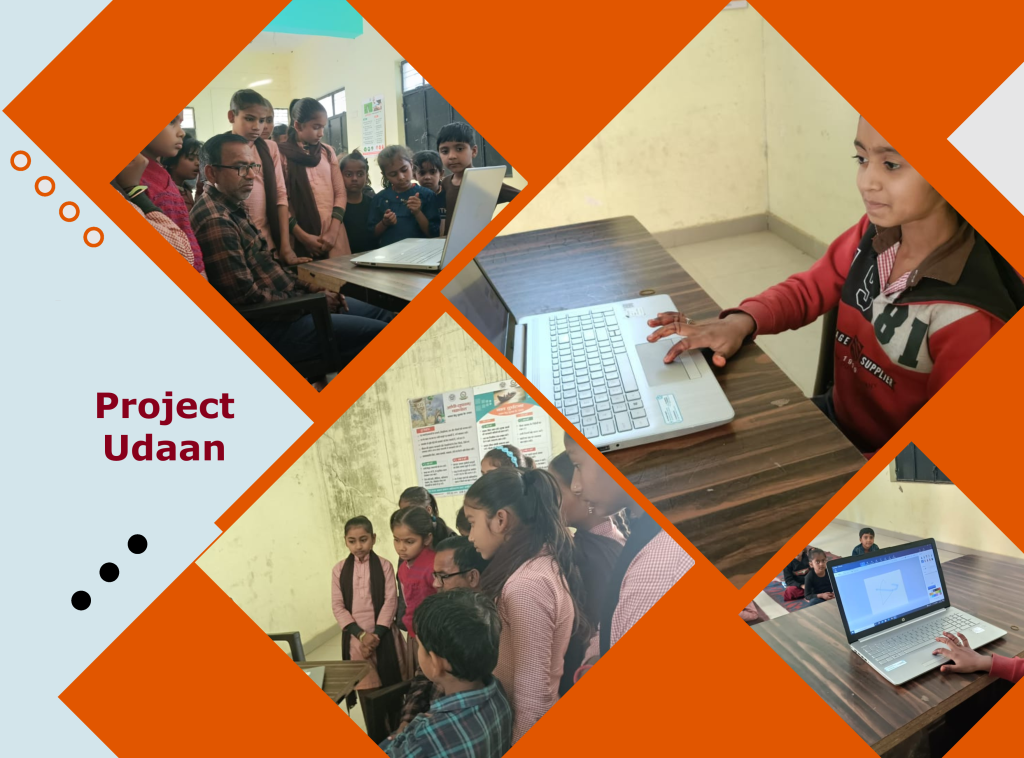 These experiences pushed me to dig deeper and offer more than just advocacy. That’s what led to my partnership with The Creative Thinking Forum on a new initiative: Digital Udaan – Empowering Through Technology. This vocational computer learning and resource centre is designed to teach digital skills to children and help them become job-ready in the future. I have already raised over ₹2.5 lakh through CSR funding, and I am now working to expand the programme through crowdfunding.
Real change takes more than awareness; it takes trust, consistency, and solutions that speak to both aspiration and survival. That is what I have tried to build.
I believe in spreading awareness early through every possible platform – school clubs, community workshops, or projects like mine. Through Digital Udaan, a partnership with The Creative Thinking Forum (TCTF), we have begun teaching digital skills to children in low-income areas. We not only help them secure jobs in the future, but also make them aware of cyberbullying, digital safety, and their rights to be protected online.
What is your vision for child rights reform in India over the next five years?
Over the next five years, I want to see a real shift from policy to practice. India already has strong laws on child labour, education, and protection, but without proper implementation at the grassroots level, these rights remain on paper. My vision is to make these rights real and reachable for every child, especially those from underserved communities.
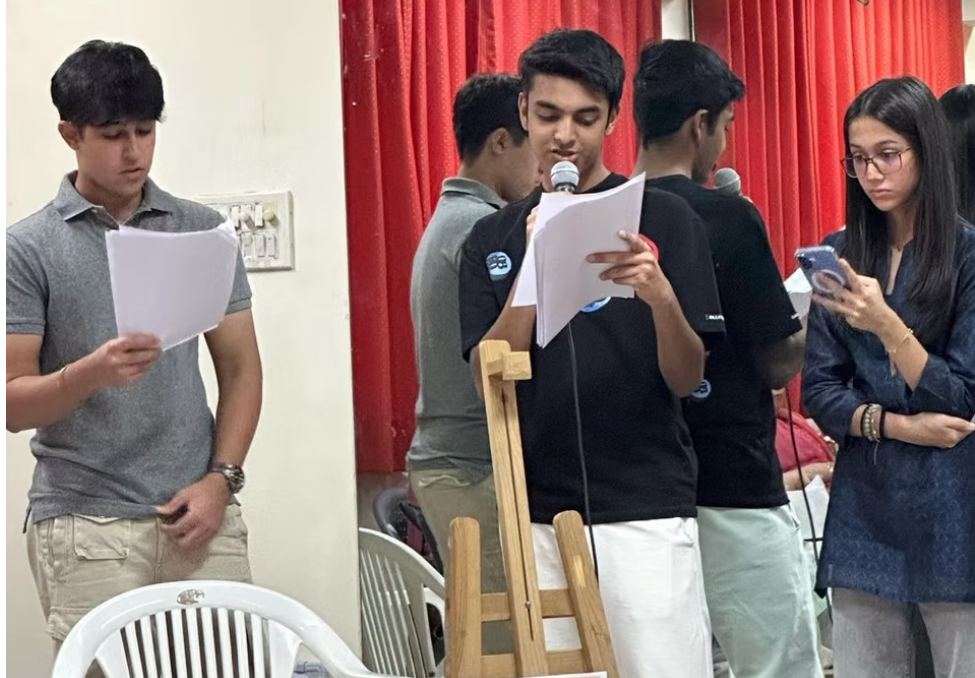
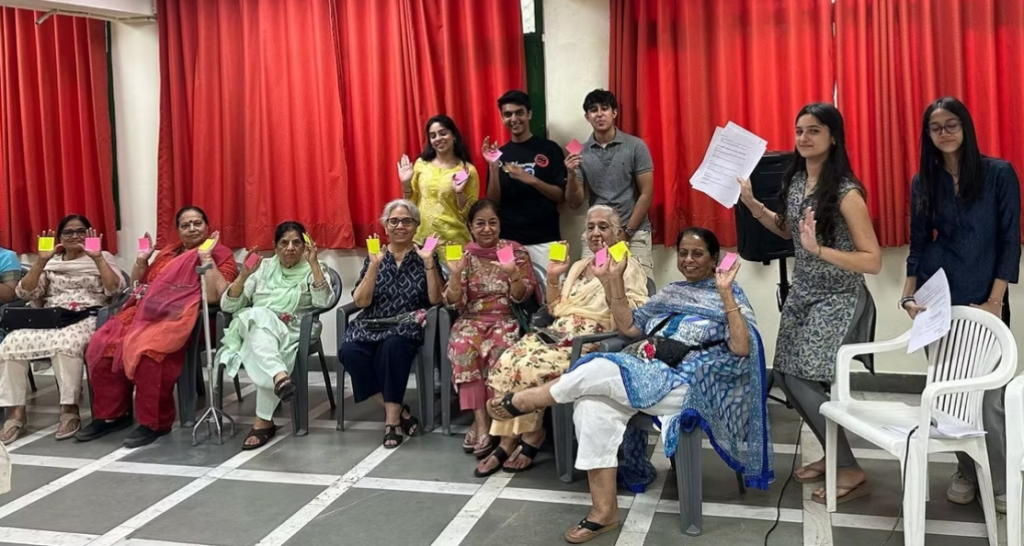
I believe in spreading awareness early through every possible platform – school clubs, community workshops, or projects like mine. Through Digital Udaan, a partnership with The Creative Thinking Forum (TCTF), we have begun teaching digital skills to children in low-income areas. We not only help them secure jobs in the future, but also make them aware of cyberbullying, digital safety, and their rights to be protected online.
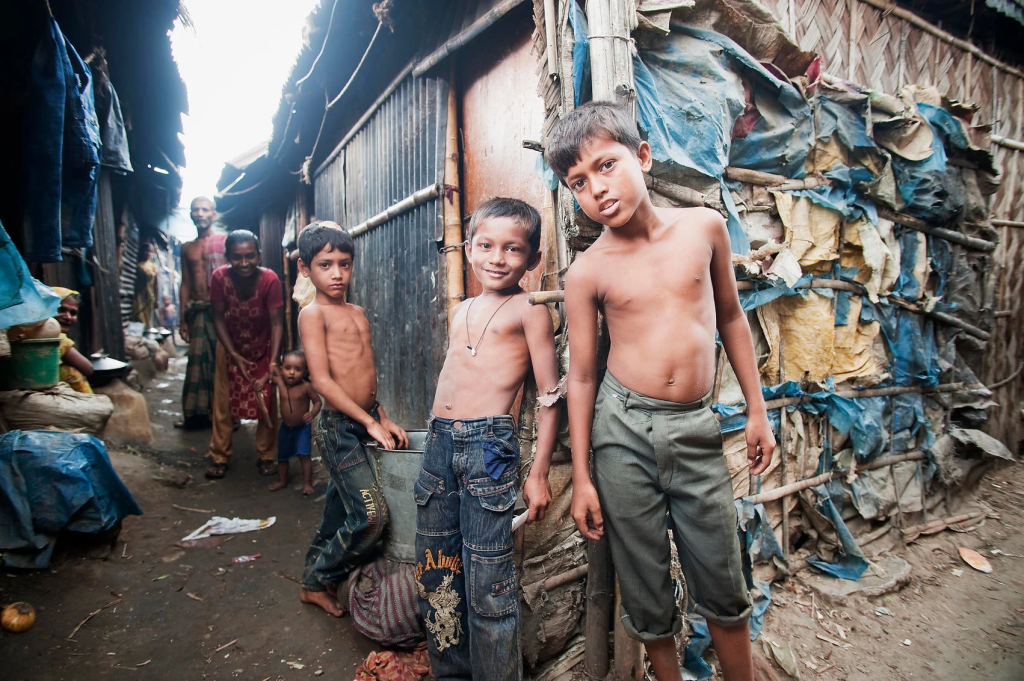 I am also laying the groundwork for a Public Interest Litigation (PIL) that focuses on child protection and sanitation in urban slums. But child rights reform must go beyond labour and education. We need to start addressing invisible issues like the absence of psychological support for children in schools, especially those dealing with trauma,
 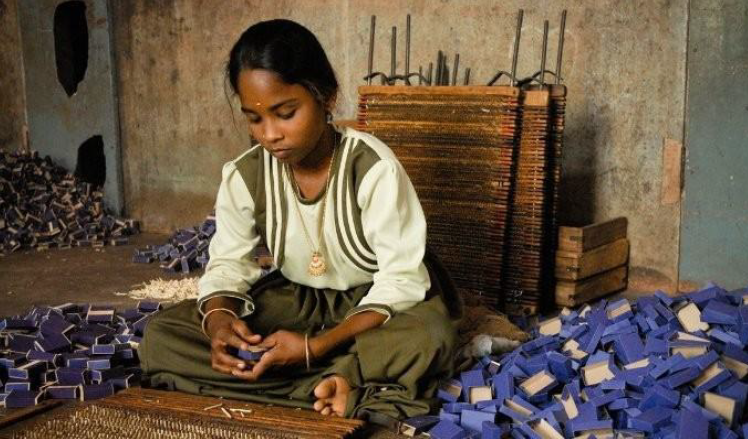 abuse, or extreme poverty. Mental health is still overlooked in many government and private institutions, and that needs to change.
Healthcare access and awareness are equally important. A hungry, unhealthy child cannot thrive in a classroom. That is why I believe child rights reform must take a more holistic view of combining education, digital literacy, mental well-being, and community-level awareness.
I urge more young people to find mentors, collaborate with organisations, and take initiative without fear. You do not have to wait until you are older to make an impact. Your voice matters now. Whether it is educating a classmate, challenging injustice, or supporting a grassroots campaign, students can and should be part of shaping a more equal and compassionate society.
How can young people get involved meaningfully in legal and social advocacy?
Young people can start by learning about issues like child labour, education gaps, mental health, and digital safety, and asking: “How is this still allowed to happen? What can I do to change it?”
From there, the opportunities are endless. You can volunteer with NGOs, raise awareness in your school or college, organise donation drives, or even build advocacy campaigns on social media. For me, it started with asking questions and noticing injustice around me, and eventually led to writing a legal guidebook, raising CSR funds, and now preparing a Public Interest Litigation (PIL).
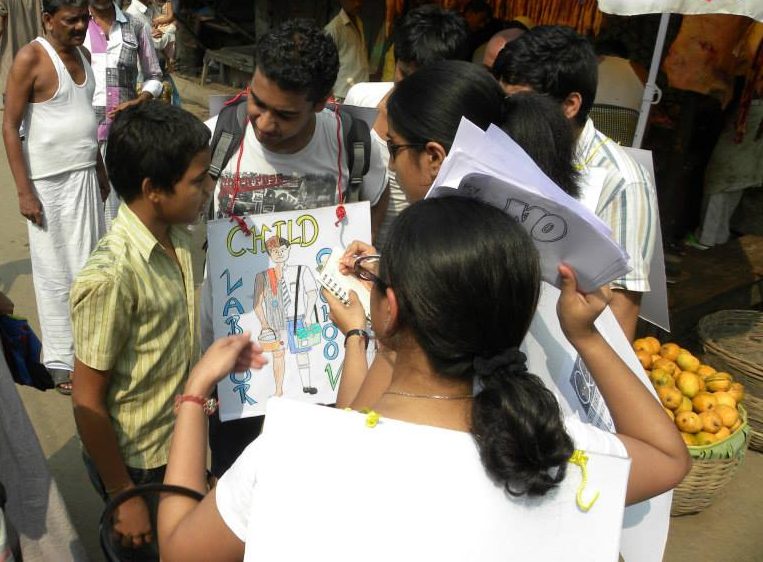
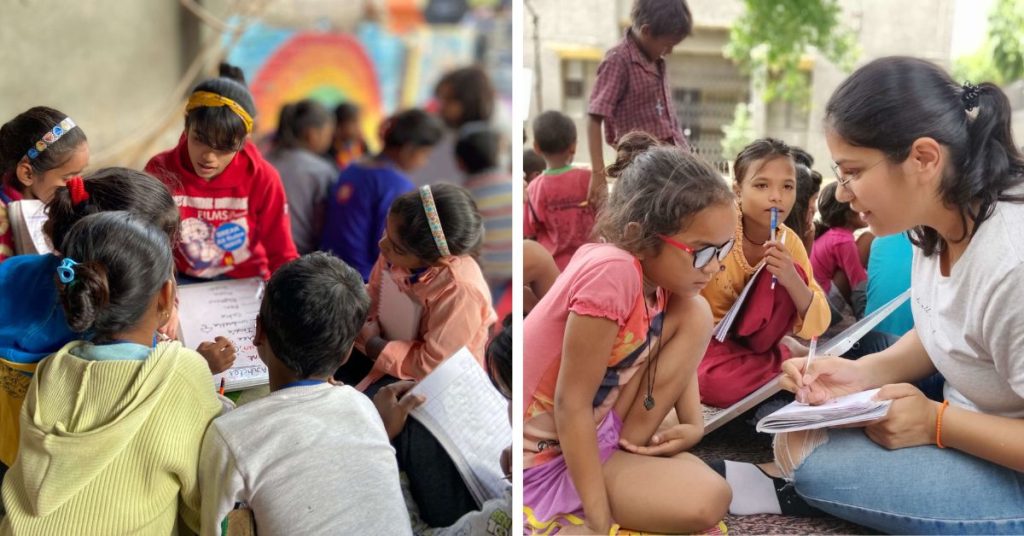
There are already incredible organisations doing powerful work. The Creative Thinking Forum and Bal Raksha Bharat (Save the Children) run meaningful programmes focused on child upliftment in urban slums. They are always looking for passionate young volunteers for on-ground work. I truly believe students can bring fresh energy and ideas to these efforts.
I urge more young people to find mentors, collaborate with organisations, and take initiative without fear. You do not have to wait until you are older to make an impact. Your voice matters now.
Whether it is educating a classmate, challenging injustice, or supporting a grassroots campaign, students can and should be part of shaping a more equal and compassionate society.