


 Raghunandan Prasad is the Managing Director of Konarak Water Meters.
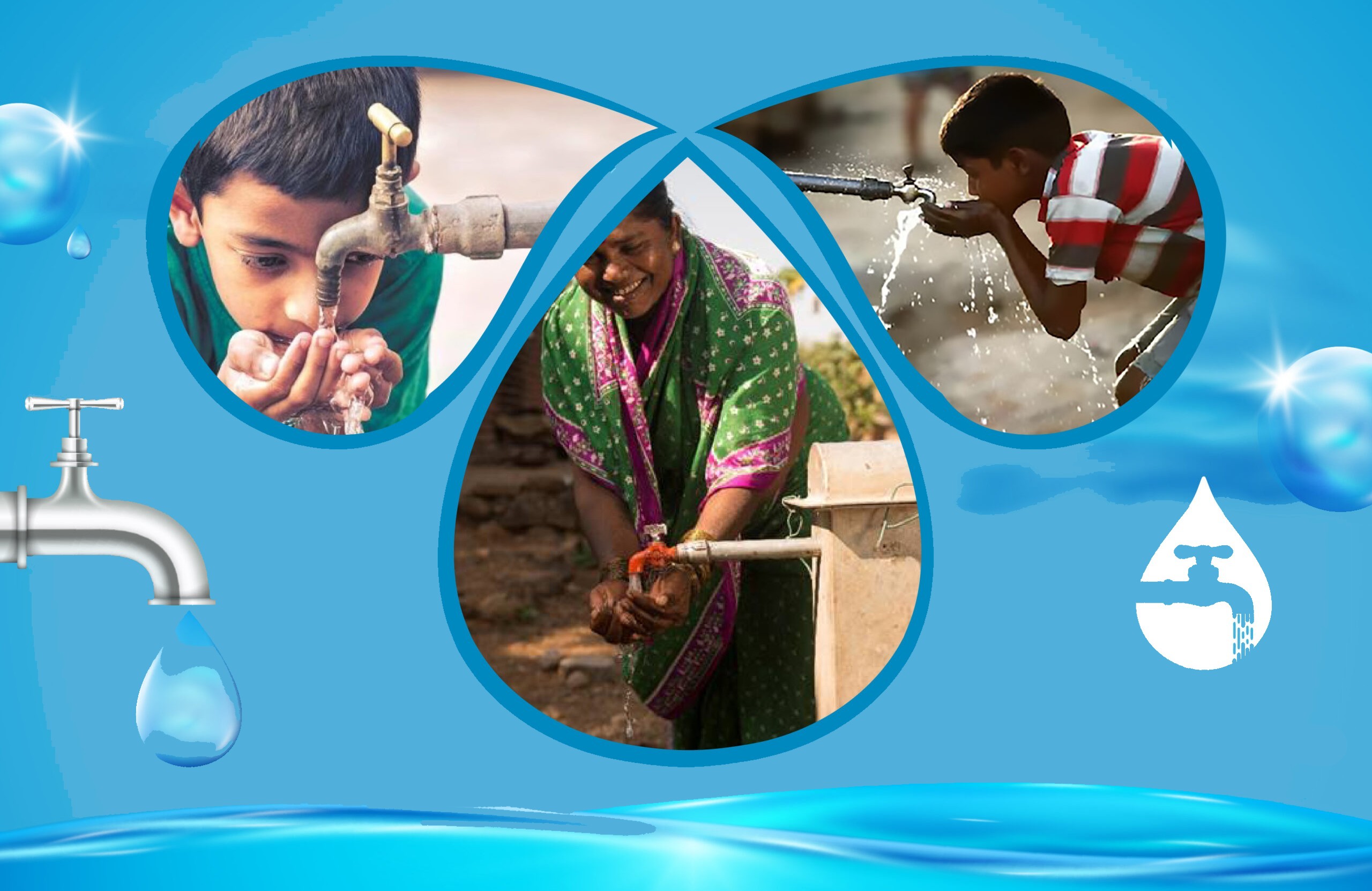
Every morning, across the vast expanse of our nation, children stand in long, anxious queues for a mere bucket of water, a ritual that speaks volumes about our struggles. Farmers, with faces etched in worry, peer into dry wells, their hopes for a bountiful harvest evaporating like the water that once flowed freely. Neighbourhoods that were once vibrant and full of life now sit in quiet anticipation, listening for the moment when the tap might finally flow. These stark realities are not confined to rural villages alone; they resonate deeply within the bustling streets of most Indian cities as well, echoing a collective yearning for something so fundamental.
In India, the situation surrounding groundwater is deeply alarming. The nation annually extracts nearly 60 per cent of its renewable groundwater, a figure that starkly exceeds the natural recharge rate. In regions like Haryana, this imbalance escalates to an extraction ratio of 136 per cent, while in Gurgaon, the rate surpasses double what is deemed sustainable. Such reckless consumption leads to dire consequences: declining water levels, crumbling wells.
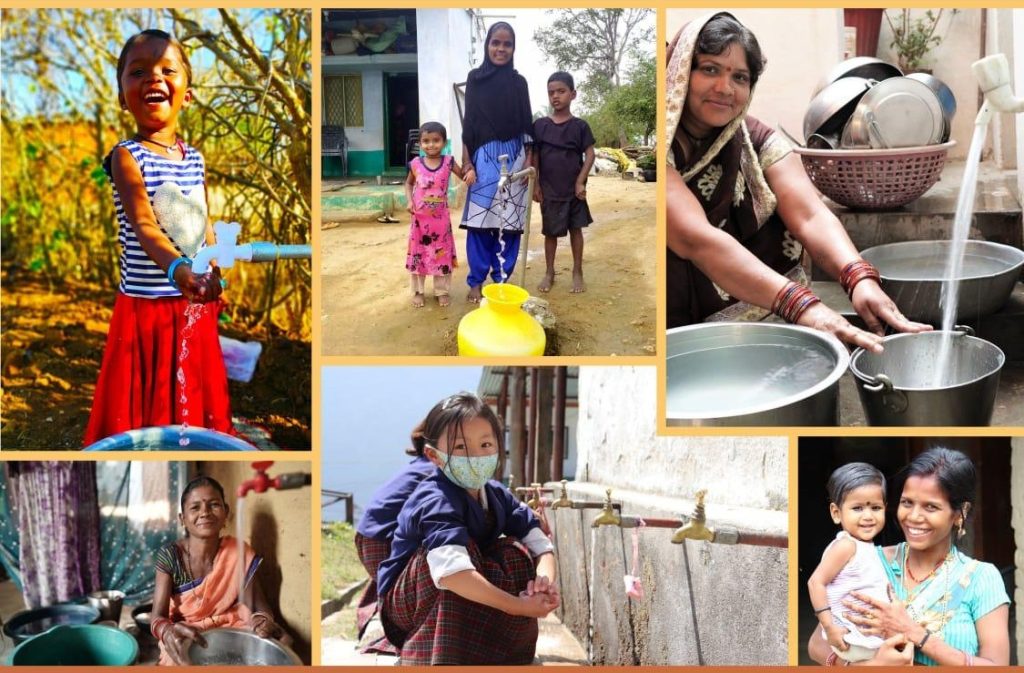
As India embarks on its journey toward self-reliance, perhaps it is time to reflect on another vital form of freedom: Water independence for India. Imagine a future where every household is liberated from the nagging worry of water scarcity, where access to this precious resource is not a privilege but a right. This tomorrow fosters not just survival, but flourishing communities and vibrant lives.
The Crisis is Real
 In India, the situation surrounding groundwater is deeply alarming. The nation annually extracts nearly 60 per cent of its renewable groundwater, a figure that starkly exceeds the natural recharge rate. In regions like Haryana, this imbalance escalates to an extraction ratio of 136 per cent, while in Gurgaon, the rate surpasses double what is deemed sustainable. Such reckless consumption leads to dire consequences: declining water levels, crumbling wells. In alarming areas such as Ahmedabad’s Bopal and Vatva, the very land itself is succumbing to subsidence, creating fractures in the foundations of homes and lives.
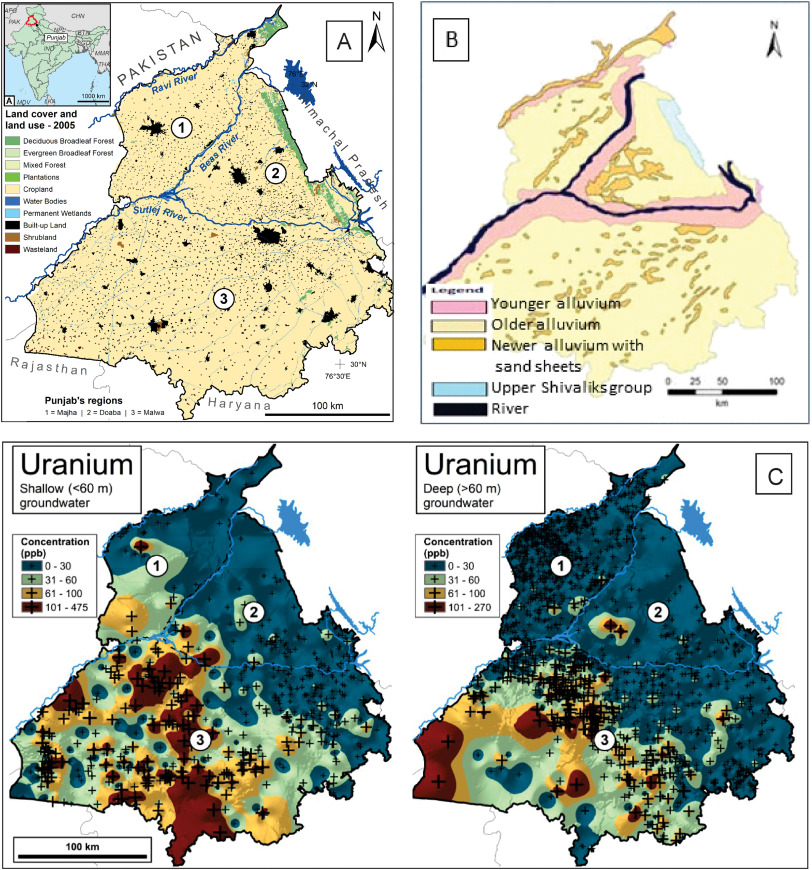 Conversely, Punjab faces a different kind of crisis. Here, while scarcity may not be the primary concern, the groundwater is tainted. One-third of the water samples reveal uranium concentrations that surpass safe boundaries, alongside perilously high levels of fluoride and nitrates. This situation transcends a mere resource problem; it transforms into a profound public health crisis, highlighting the urgent need for awareness and action. The health of a community hangs in the balance, as toxic groundwater threatens the very foundations of life and well-being.
What Water Freedom Means
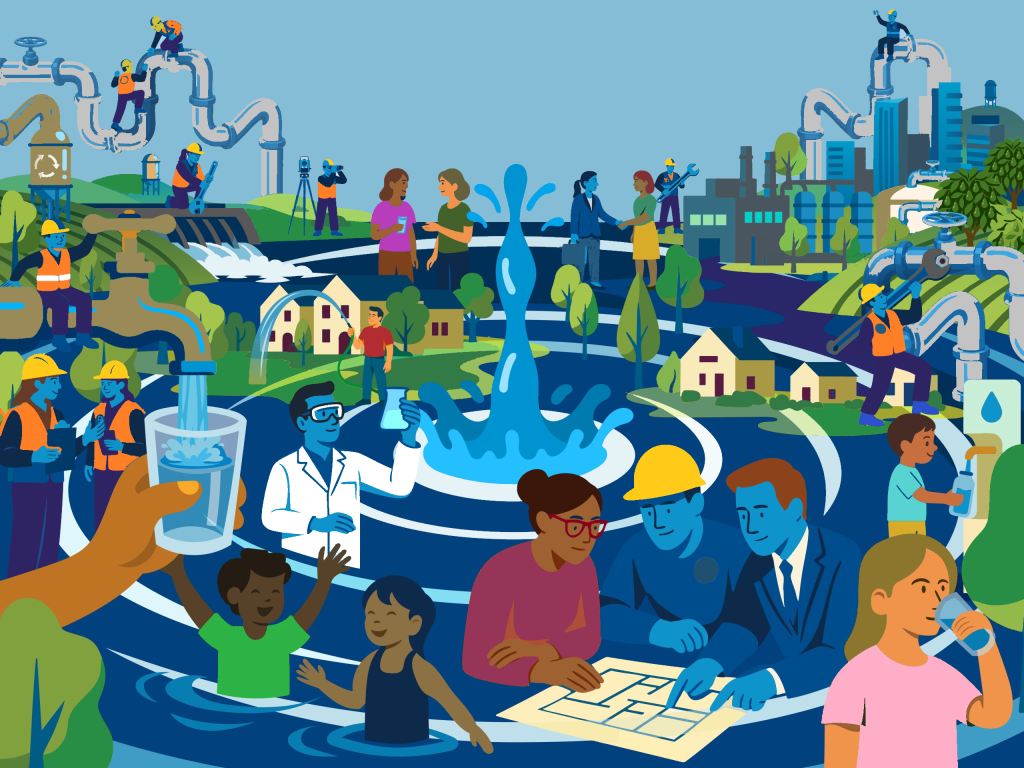 Water freedom transcends mere supply; it embodies security, dignity, and sustainability. It reflects a world where taps flow consistently, symbolising not just access, but a right that every individual deserves. It ensures that all communities can envision their futures without the looming anxiety of scarcity. In this holistic view, true water freedom fosters resilience, empowering people to thrive while nurturing their environment, ultimately cultivating a shared responsibility that honours both present needs and the well-being of generations to come.
The Role of Smart, Indian-Made Solutions
In an era where water scarcity looms large, technology emerges as a beacon of hope. Smart water meters, particularly those innovatively crafted in India, are not just transforming resource management; they are redefining our relationship with water itself.
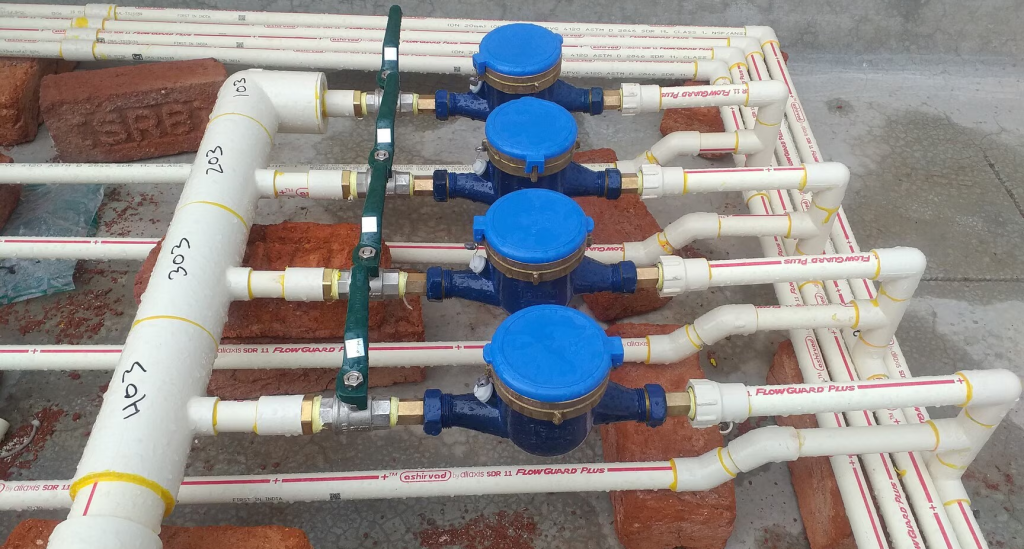 Waste Reduction: The statistics are compelling. Smart meters can eliminate non-revenue water losses by an impressive 25–30 per cent. This is not just a number; it represents millions of litres saved daily, which is a vital resource preserved for both current and future generations. Each drop saved becomes a testament to the power of efficiency and innovation.
Behavioural Change: The impact of real-time consumption data extends beyond mere awareness; it cultivates a culture of responsibility. By merely understanding how much water they are using, households can lower consumption by up to 10 per cent. This shift in consciousness reflects a deeper understanding of personal impact on communal resources, ushering in an era where every individual plays a role in water conservation.
Water freedom transcends mere supply; it embodies security, dignity, and sustainability. It reflects a world where taps flow consistently, symbolising not just access, but a right that every individual deserves. It ensures that all communities can envision their futures without the looming anxiety of scarcity. In this holistic view, true water freedom fosters resilience, empowering people to thrive while nurturing their environment, ultimately cultivating a shared responsibility that honours both present needs and the well-being of generations to come.
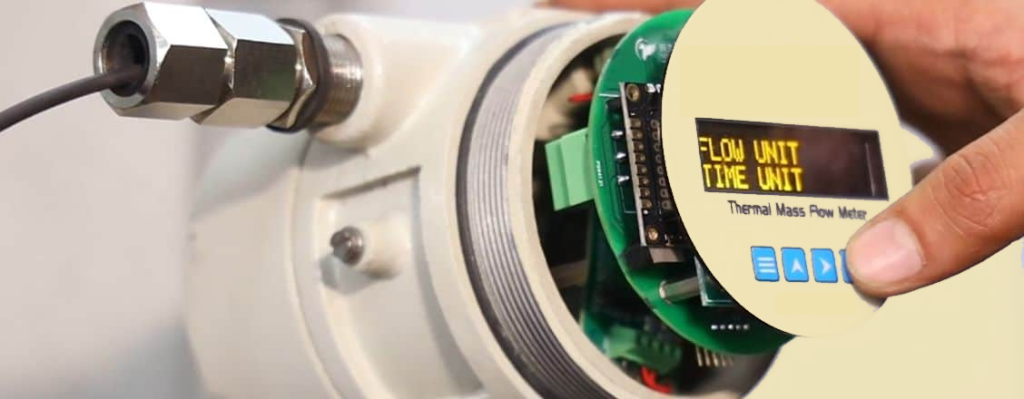 Fairness: The introduction of smart meters means accurate billing, a significant stride towards fairness. This transparency minimises disputes and incentivises conservative usage. In Bangalore, these smart meters are pivotal, successfully capturing 900 million litres each day for over 12 million residents. Such advancements not only facilitate leak detection and waste prevention but also foster a sense of community responsibility and collaboration.
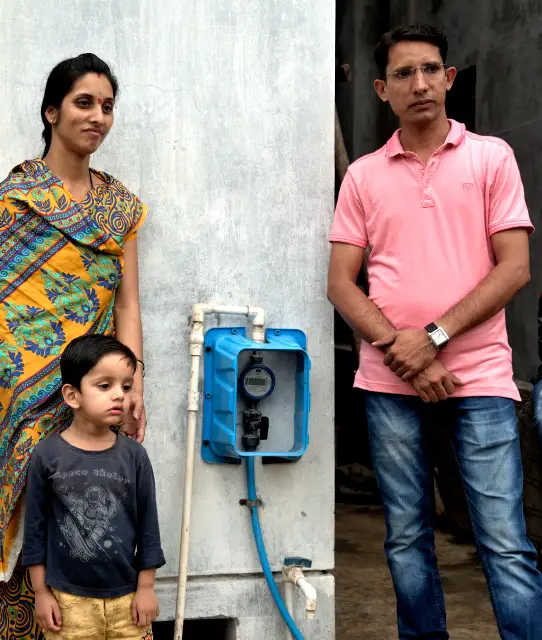 Proven Impact: The profound change in Shirpur-Warwade in Maharashtra illustrates the potency of this technology. A remarkable 33 per cent reduction in water usage was achieved, but perhaps more importantly, smart meters have helped forge trust between the citizenry and local government. This trust is foundational; it transforms suspicion into partnership, empowering communities to actively engage in sustainable practices.
In essence, these smart, Indian-made solutions represent not only a technological evolution but also a philosophical shift. They are a movement towards a more conscientious and collective stewardship of our planet’s most precious resource.
Supporting National Missions: A Deeper Reflection
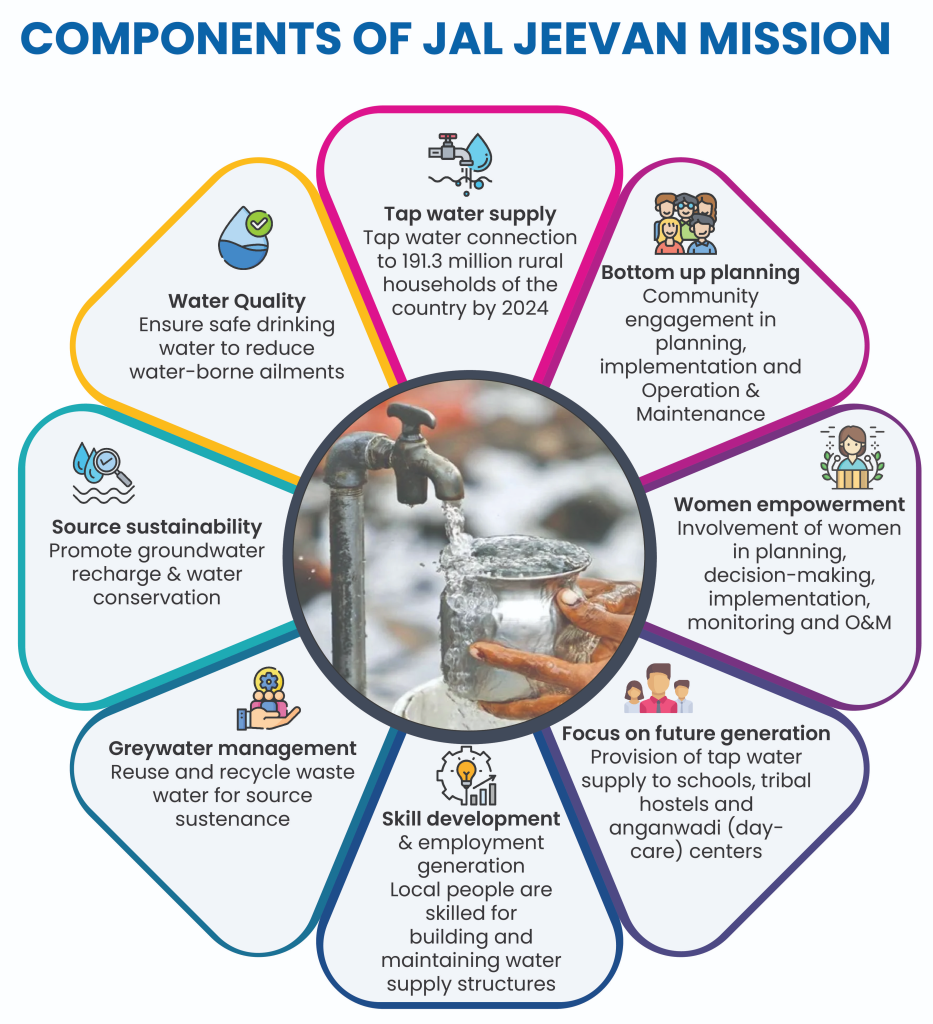 The Government of India’s Jal Jeevan Mission embodies a visionary commitment to transforming rural life by ensuring that every household has access to functional tap connections. However, mere access is not sufficient. We must delve deeper and consider the sustainability of this vital resource. It is imperative that we foster an environment where the water supply remains consistent and reliable over the long term.
Implementing smart water metering within this framework can serve as a pivotal innovation. It not only safeguards our investments but also promotes a sense of equity among communities, ensuring that every drop of water is valued and utilised efficiently. By making informed decisions on usage, we can extend the life of our water resources and protect them for future generations. In this way, each litre becomes more than just a commodity; it becomes a testament to our commitment to sustainability and shared responsibility in nurturing our environment for years to come.
While smart meters alone will not solve the crisis, they are a vital thread in the intricate tapestry of our solution. They illuminate our journey by allowing us to see, measure, and appreciate the precious resource we have. This awareness empowers us to transform intention into action, and action into meaningful, lasting change.
Made for India, by India
The Jal Jeevan series of affordable, high-accuracy meters has been thoughtfully crafted to serve the aspirations of our nation, closely aligning with government initiatives, like the Jal Jeevan Mission and Amrut 2.0 schemes. These meters are not merely instruments; they embody a commitment to precision and transparency, essential for fostering responsible water management systems. By ensuring accurate measurements, they empower communities to engage meaningfully in the stewardship of their most vital resource—water. This ultimately nurtures a deeper connection between individuals and the environment.
A Call to Action
Water independence transcends a mere technical goal; it embodies a profound human mission. It speaks to our deepest values, ensuring that no child must miss a day of learning to fetch water, that no family remains at the mercy of unreliable tankers, and that no farmer must surrender their land to the relentless drought of a drying well.
While smart meters alone will not solve the crisis, they are a vital thread in the intricate tapestry of our solution. They illuminate our journey by allowing us to see, measure, and appreciate the precious resource we have. This awareness empowers us to transform intention into action, and action into meaningful, lasting change.
Let us dedicate ourselves to a future without water concerns. With every smart meter installed, each leak prevented, and every litre carefully conserved, we pave the way towards a future where water independence is not merely an aspiration but a daily reality, just like the freedom we hold dear.