


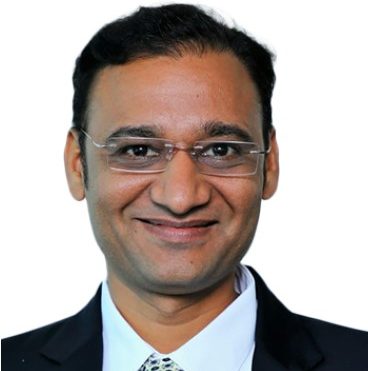
 Dharmesh Gohel is the Vice President of the Bansidhar & Ila Panda Foundation.
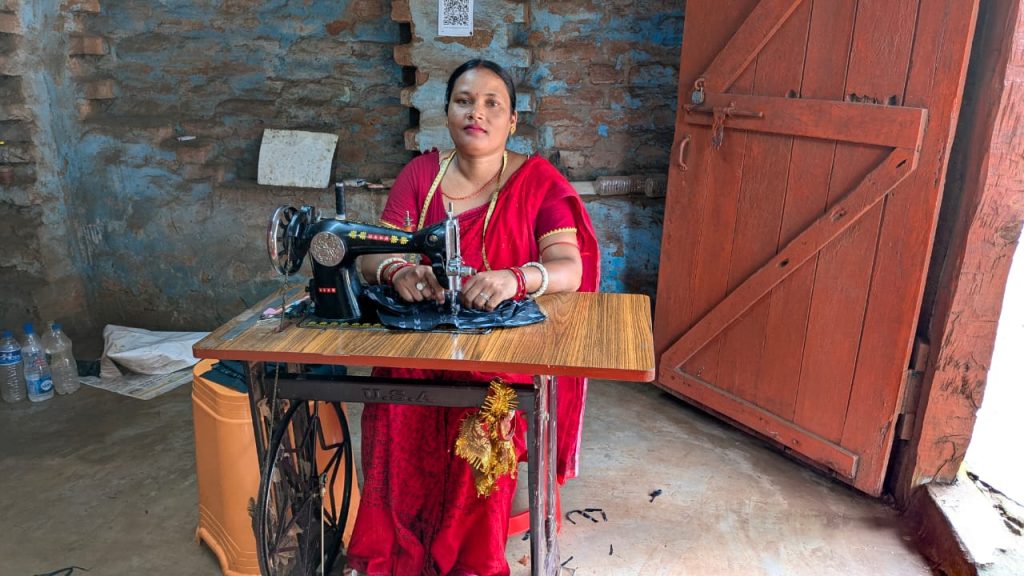
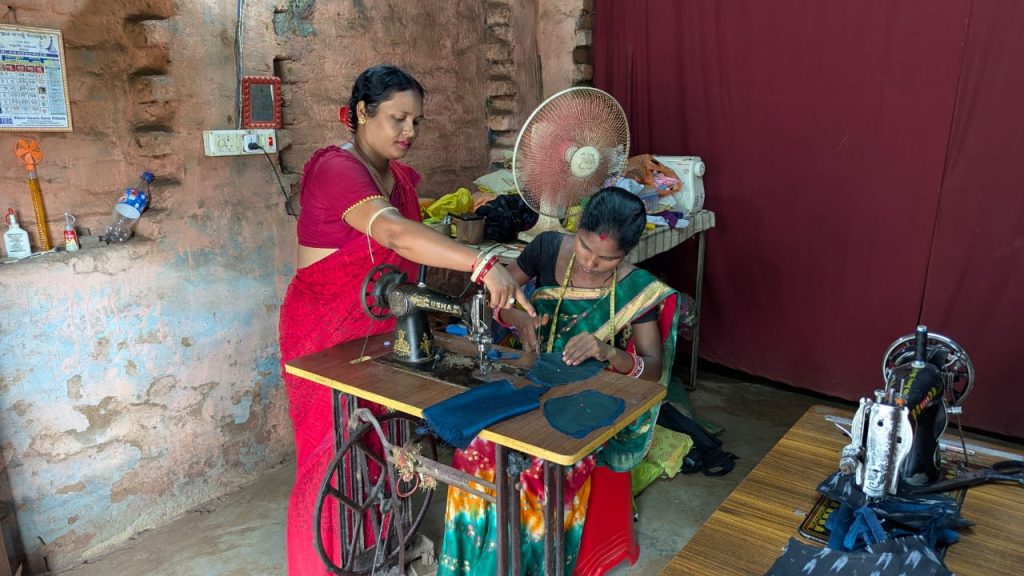
The steady hum of Sakuntala Mahanta’s sewing machine fills her modest shop in Ostapal village, nestled deep in Odisha’s mining belt. Just three years ago, Sakuntala’s world revolved around household chores, much like countless other village women. Her life began to change when she completed a tailoring course through Project Unnati and courageously took a loan of ₹15,000 to start her own business.
Her first earnings were modest; less than ₹3,000 a month. Yet, she refused to give up. With determination and hard work, her income tripled within nine months. Today, she earns between ₹8,000 and ₹10,000 every month. But her success does not end there. Sakuntala now mentors 12 women, and eight of them have already launched their own businesses, carrying the spirit of empowerment forward.
A silent revolution is unfolding across rural Odisha. For generations, women in these far-flung villages lived within narrow boundaries, where they cook, tend to small farms, and remain distant from financial decisions and community affairs. Their voices were seldom heard, and their potential often overlooked. But the last decade has brought a remarkable shift. Today, women from some of the State’s most remote corners are running businesses, contesting elections, and stepping into leadership roles. In doing so, they are not only rewriting their own stories but also reshaping the future of their communities.
Her story finds an echo 50 kilometres away in Bandalo village, where 38-year-old Susama Samal has carved out a new identity. For years, she devoted herself to household responsibilities while her husband managed the family farm. Everything changed when she joined a local SHG. Training in mushroom cultivation became her stepping stone to financial independence and to self-belief.
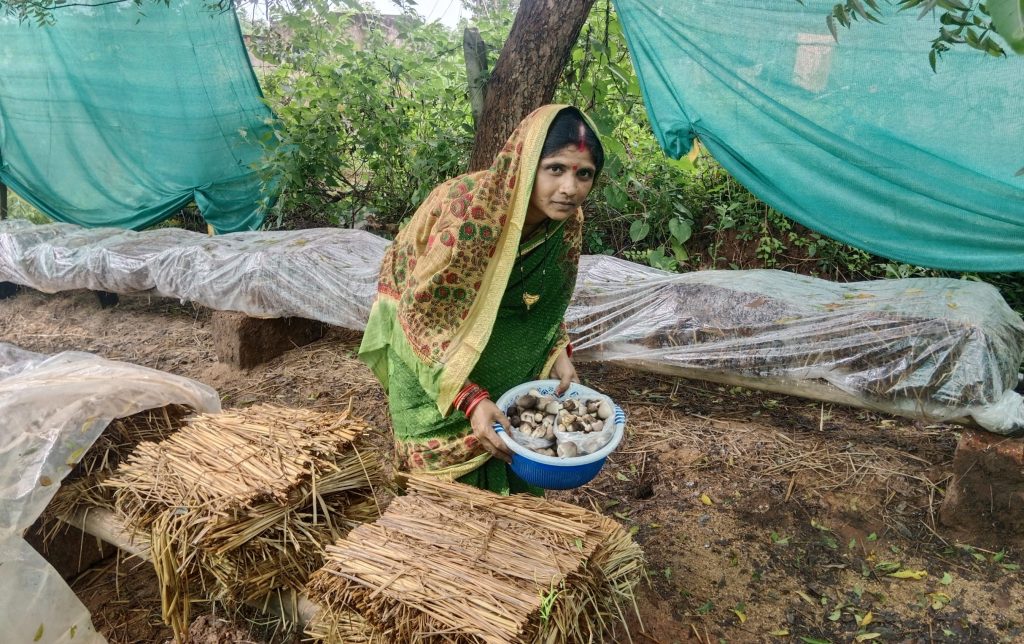
With newfound confidence, Susama gradually became involved in community activities. In 2022, she went a step further by contesting and winning local elections to serve as the Nayab Sarpanch of Banipada GP. Though she no longer holds the post, her leadership journey continues. Today, she actively drives village development and has mobilised 45 women into skill-building programmes, ensuring that others, too, can walk the path she once hesitated to take.
Together, women like Sakuntala and Susama reflect a silent revolution unfolding across rural Odisha. For generations, women in these far-flung villages lived within narrow boundaries, where they cook, tend to small farms, and remain distant from financial decisions and community affairs. Their voices were seldom heard, and their potential often overlooked.
But the last decade has brought a remarkable shift. Today, women from some of the State’s most remote corners are running businesses, contesting elections, and stepping into leadership roles. In doing so, they are not only rewriting their own stories but also reshaping the future of their communities.
A Model Built on Existing Foundations
The journey of women like Susama and Sakuntala is not accidental; it is the result of a model that is both organised and deeply rooted in existing strengths. Through Project Unnati, we aim to identify weak or inactive SHGs and breathe new life into them by providing training that builds both practical skills and personal confidence.
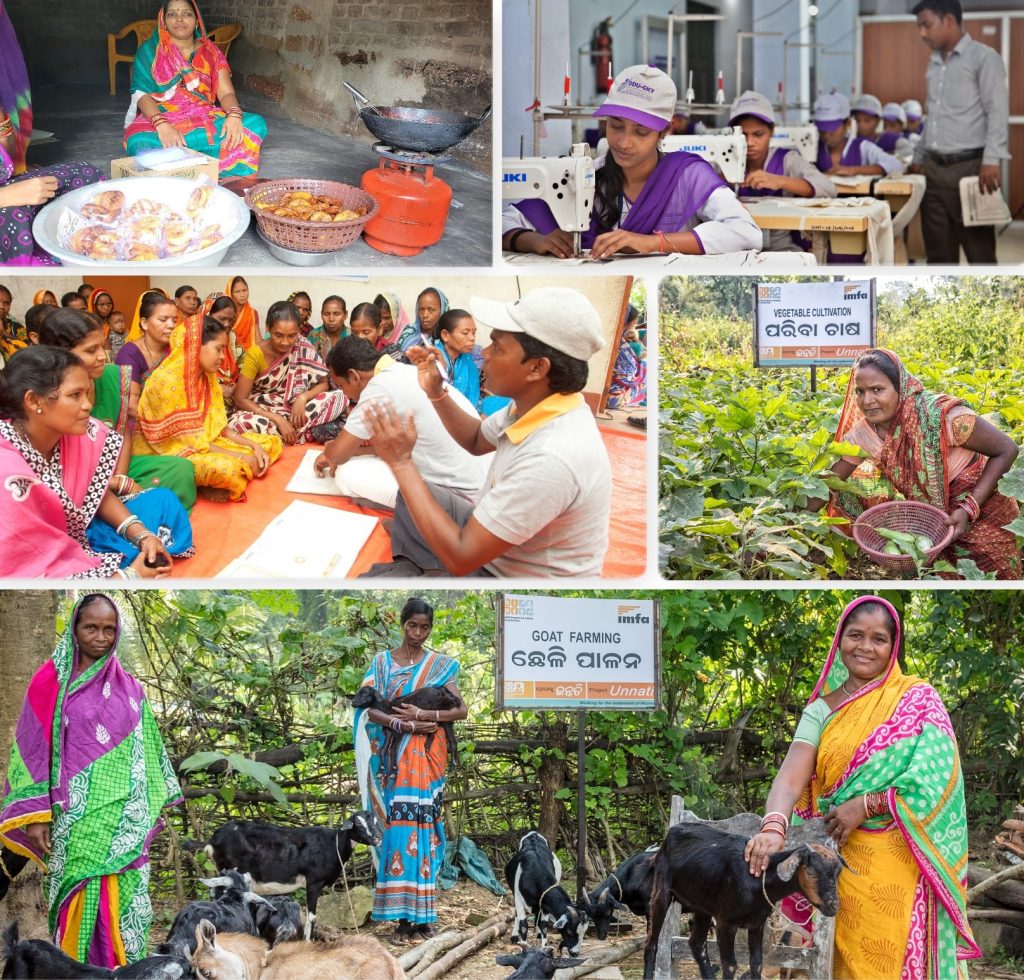 Our philosophy is simple: instead of creating parallel systems, we strengthen what is already in place. By forging partnerships with government programmes, local training centres, and microfinance organisations, we ensure that SHG members have the necessary resources and support they need to keep their ventures thriving.
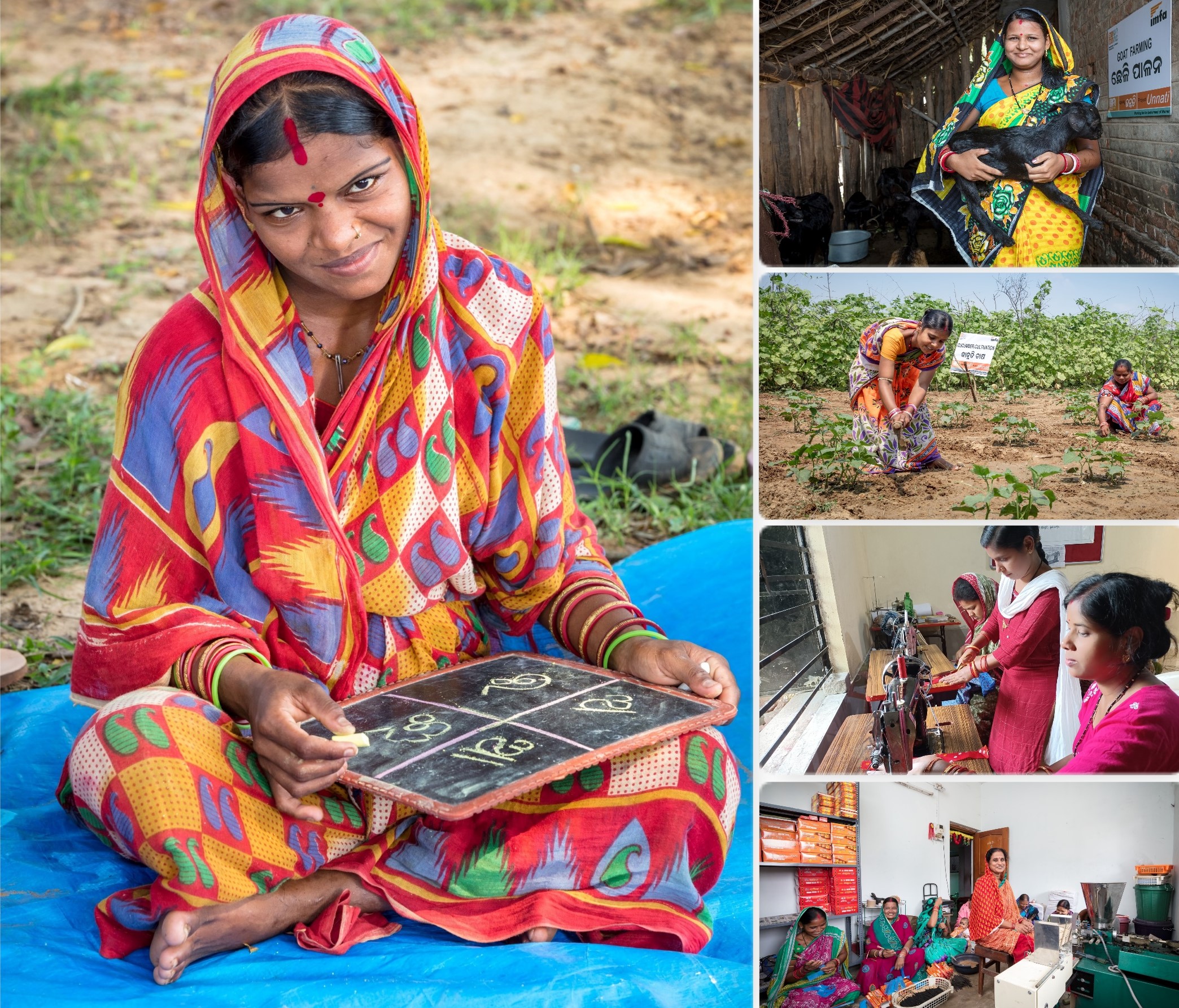
This approach blends job-specific skills like tailoring, food processing, farming, and animal care with essential life skills such as money management, leadership, and problem-solving. The results speak for themselves. Since its inception, Project Unnati has reached women across six districts in Odisha, working with over 491 SHGs and empowering over 5,000 women to take charge of their futures.
True empowerment begins with education. Through our Community Learning Centres, we open doors for rural women who were once denied the chance to learn. These centres focus on adult literacy, covering both basic reading and writing as well as essential computer skills. This dual approach equips women to navigate modern systems with confidence, whether it is using banking services, accessing healthcare, or staying connected through digital platforms.
Healthcare Revolution on Wheels
Empowerment is incomplete without access to good health. That is why our Foundation goes beyond livelihoods to bring healthcare to the very doorsteps of women and girls through the Kanya Express programme. These mobile health vans have transformed how villages receive medical care. Travelling from one community to another, they deliver vital health services directly to adolescent girls, while also spreading awareness about nutrition, hygiene, and well-being. Between 2023 and 2025 alone, the programme reached 54,060 people across rural Odisha.

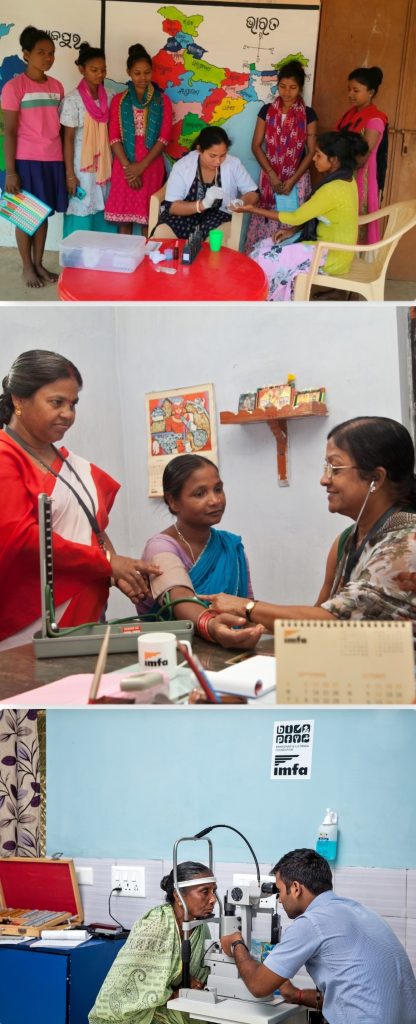 To ensure lasting impact, we also created Balika Mandals or adolescent girls’ groups, to expand the reach of Kanya Express. Here, health check-ups are complemented by food support, career guidance, and practical education, helping young women grow with confidence in every area of life.
Our outreach goes further still. Through dispensaries and health camps, we served over 1.28 lakh patients during 2023–25, while our eye care centre reached 19,512 people, closing a critical gap in rural eye care.
What makes this approach truly innovative is not just the services delivered but the way they are anchored. By placing women at the heart of every health initiative, we ensure that healthcare itself becomes a pathway to empowerment, enabling them to lead healthier, stronger, and more independent lives.
Breaking Educational Barriers
True empowerment begins with education. Through our Community Learning Centres, we open doors for rural women who were once denied the chance to learn. These centres focus on adult literacy, covering both basic reading and writing as well as essential computer skills. This dual approach equips women to navigate modern systems with confidence, whether it is using banking services, accessing healthcare, or staying connected through digital platforms.
Between FY 2023–25, our centres reached 1,736 community members, giving them the tools to participate more fully in today’s world. Beyond this, our wider educational initiatives touched the lives of 33,902 students, laying stronger foundations for the next generation.
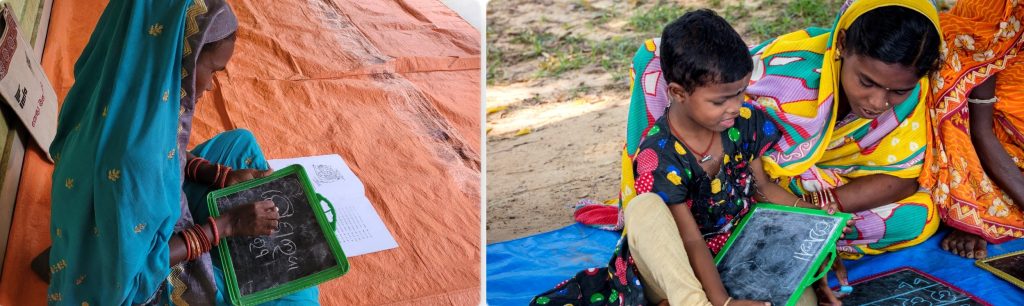
Education is more than knowledge; it is a bridge to dignity, independence, and opportunity. By breaking barriers to learning, we ensure that women and children alike are not left behind but move forward as equal participants in shaping their future.
What sets our approach apart is our focus on nurturing local leadership and ownership. Women like Susama and Sakuntala are not just individual success stories—they are catalysts of wider transformation. By bringing others into training programmes, guiding new SHG members, and encouraging their neighbours to act, they extend our impact far beyond what we could achieve alone. Women who previously had little influence in household decisions are now actively shaping local economies and contributing to village governance. Their impact extends beyond the household, strengthening families, communities, and the social fabric of rural Odisha.
Water and Sanitation: Foundation for Freedom
Lasting empowerment begins with the basics. Through our Su-Swasthya programme, we have seen how access to clean water and sanitation becomes the very foundation of women’s freedom. Between FY 2023–25, the programme reached 62,471 people, giving families not just healthier lives but also new possibilities.
For women, this impact is profound. Free from collecting distant water, they can focus on education, building skills, or launching small businesses. Each drop of safe water is a step toward dignity and independence.
As part of Su-Swasthya, we provided safe drinking water to 23,849 people and carried out WASH initiatives that eliminated open defaecation and promoted regular hand-washing practices. Crucially, these efforts actively engaged SHG women, village leaders, ASHA workers, and Anganwadi staff—ensuring that the change is not just implemented but also owned by the community.
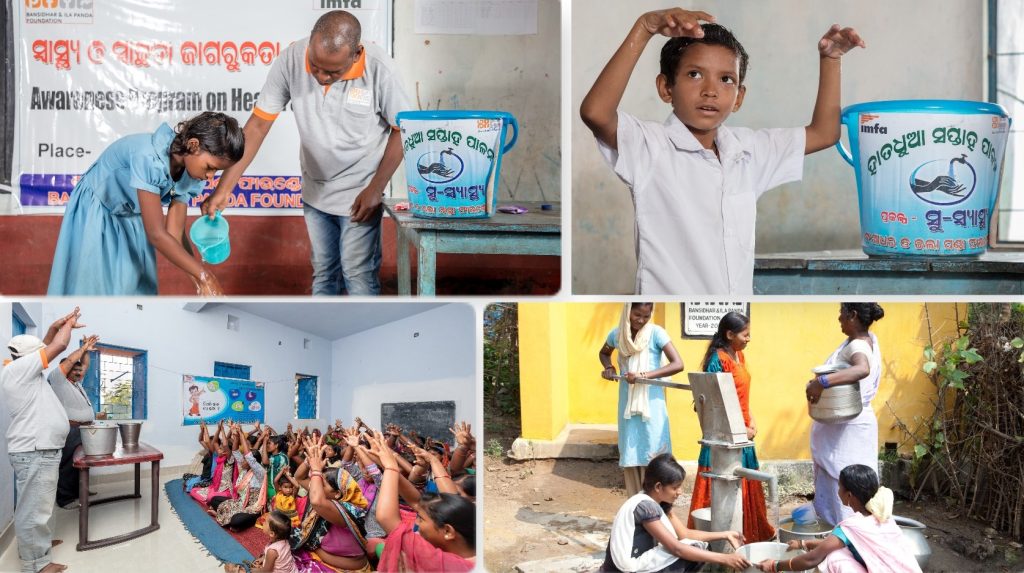 By addressing these most basic needs, we unlock the space for women to dream bigger, take on new roles, and lead their communities forward.
The Multiplier Effect
What sets our approach apart is our focus on nurturing local leadership and ownership. Women like Susama and Sakuntala are not just individual success stories—they are catalysts of wider transformation. By bringing others into training programmes, guiding new SHG members, and encouraging their neighbours to act, they extend our impact far beyond what we could achieve alone.
This multiplying effect is visible across communities. Between FY 2023–25, Project Yuva Sakshyam touched the lives of around 819 individuals, while 16,325 people received livelihood training in both farming and non-farming activities. Families that once struggled to survive on a single income now enjoy greater stability.
Women who previously had little influence in household decisions are now actively shaping local economies and contributing to village governance. Their impact extends beyond the household, strengthening families, communities, and the social fabric of rural Odisha.
Beyond Individual Transformation
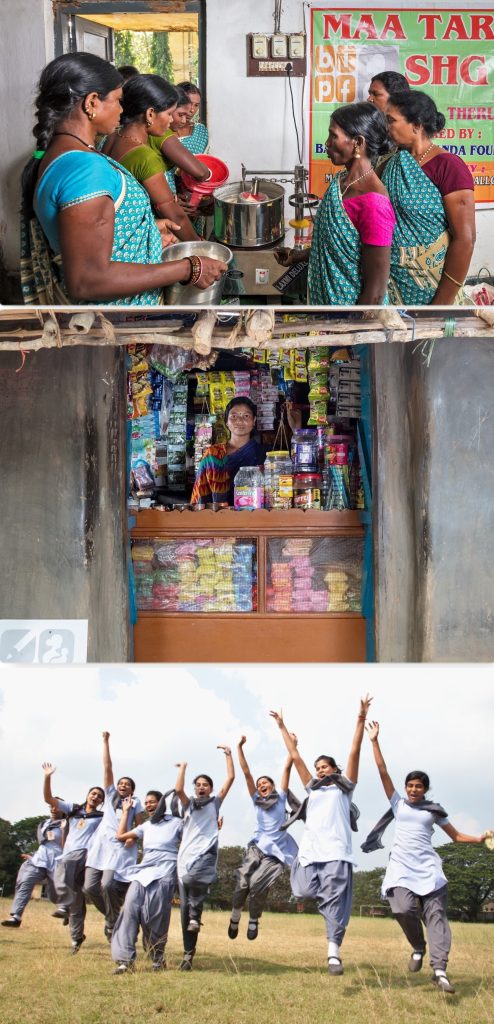 Perhaps the most powerful impact of our work lies in the gradual shift in how communities view women’s roles and abilities. In traditional rural societies, women’s labour has long been invisible – essential, yet undervalued. By creating opportunities for women to demonstrate their leadership, financial acumen, and problem-solving skills, we are challenging beliefs that have stood for generations.
These stories matter not only for the women’s personal growth but for the ripple effects they create. Those once voiceless at home now help shape economies and governance, inspiring others to join training, mentor SHG members, and drive community change.
The results are visible. Children stay in school longer, women save and invest wisely, and some even create jobs. Most notably, perceptions shift. Women are acknowledged as leaders and decision-makers who transform their communities.
Project Unnati has shown that meaningful transformation begins with livelihood empowerment, supported by skill training, peer networks, and the confidence to lead. This quiet yet powerful revolution in rural Odisha reminds us of a timeless truth: When women are placed at the centre of development, lasting transformation is not only possible; it becomes inevitable.
A Complementary Approach
Our efforts are not in isolation; they are designed to complement and strengthen broader initiatives. Programmes like Project Unnati work hand in hand with government efforts such as Mission Shakti, which has successfully mobilised nearly six lakh Women Self-Help Groups with around 60 lakh women members across Odisha.
While Mission Shakti builds a vast movement of women’s collectives, our focus is on reviving dormant or struggling SHGs, ensuring that even the most marginalised voices are not left behind. Together, these efforts create a support system where every woman, regardless of her starting point, can step into the journey of empowerment with confidence and opportunity.
The Continuing Revolution
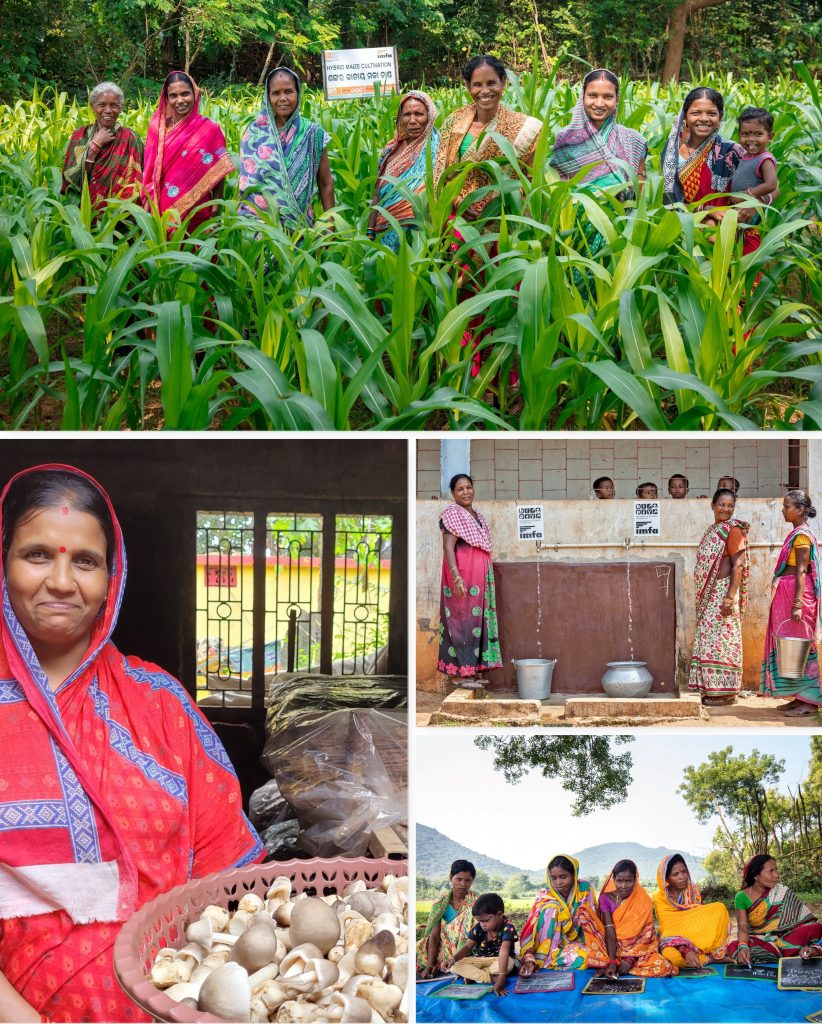
Looking ahead, we envision expanding into computer literacy programmes and climate-resilient farming practices, but our philosophy remains unchanged: women are the strongest agents of change, and their empowerment lays the foundation for sustainable development.
The journeys of Susama Samal and Sakuntala Mahanta are more than stories of individual triumph. They represent a profound shift in how rural communities perceive women’s potential. As more women move from household silence into leadership roles and entrepreneurial ventures, they are rewriting the future for their villages and for generations to come.
Across India, rural women, often poor and excluded from development conversations, carry immense untapped strength. Project Unnati has shown that meaningful transformation begins with livelihood empowerment, supported by skill training, peer networks, and the confidence to lead.
This quiet yet powerful revolution in rural Odisha reminds us of a timeless truth: When women are placed at the centre of development, lasting transformation is not only possible; it becomes inevitable.