


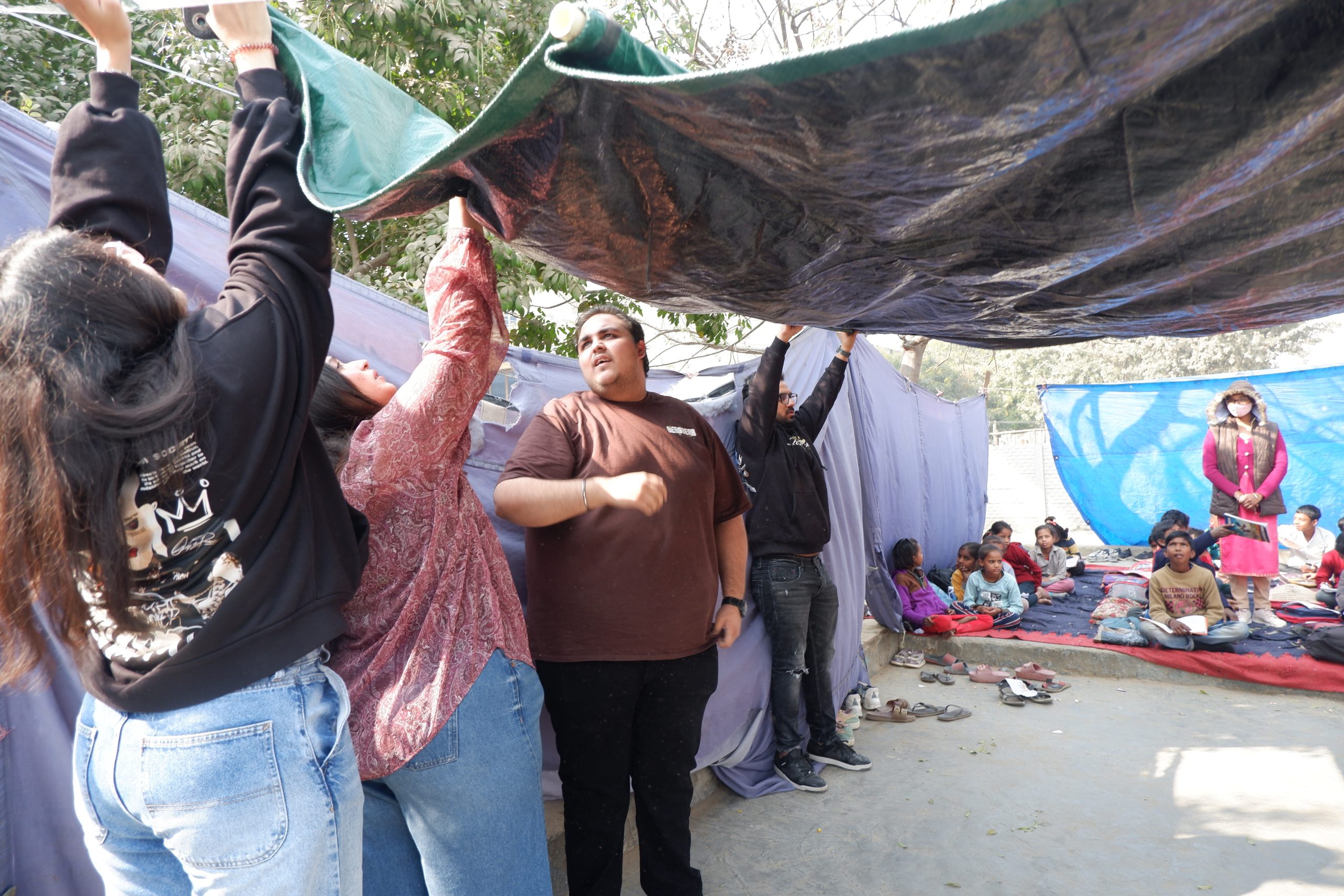
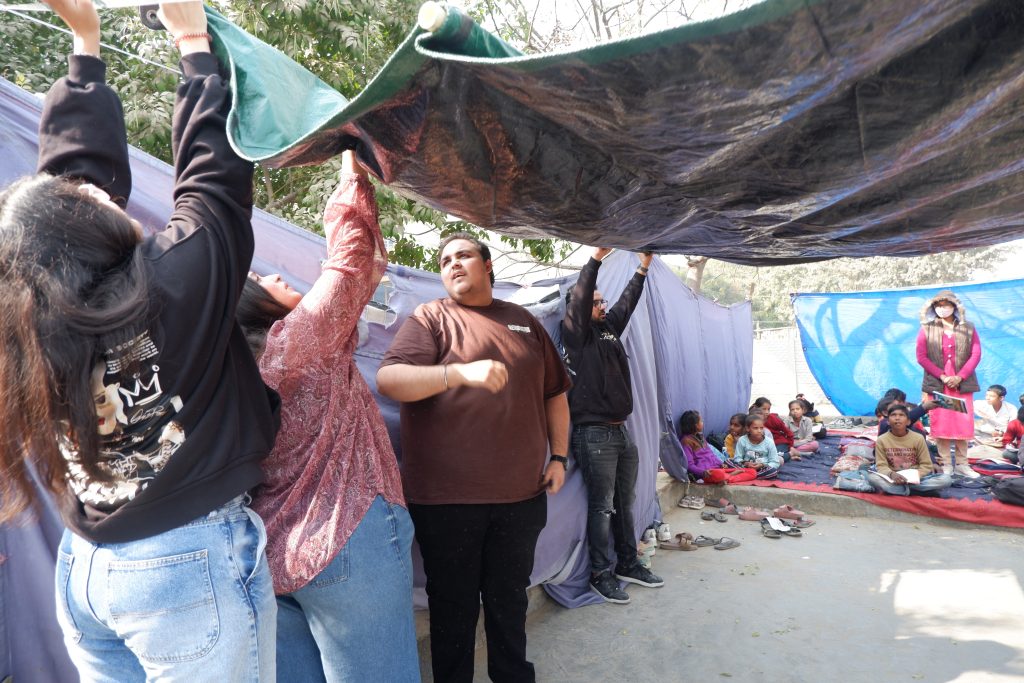
 Gurugram: As gaps in basic school infrastructure continue to affect learning environments in urban India, students from Pearl Academy applied classroom learning to a real-world challenge—redesigning learning spaces at Guru Nanak Seva Sansthan School in Gurugram, working alongside the Inner Wheel Club to improve classroom conditions. The intervention directly improved learning conditions for over 200 students by creating safer and more defined, climate-responsive classroom environments that reduce everyday distractions.
The project focused on creating temporary roofing and partition systems to address challenges such as exposure to heat and rain, lack of defined learning spaces, and visual and sound distractions. Before developing solutions, students spent time at the school, interacting with the administration and observing how children and teachers use the space to ensure the designs responded to real, everyday needs.
Highlighting the learning outcomes, Antonio Maurizio Grioli, Dean, Fashion and Interior Design, Pearl Academy, said, “This project pushed students to think beyond form and aesthetics. Engaging directly with users and building at full scale helped them understand responsibility, adaptability, and the social impact of design. These are lessons that are difficult to replicate within a classroom setting.”
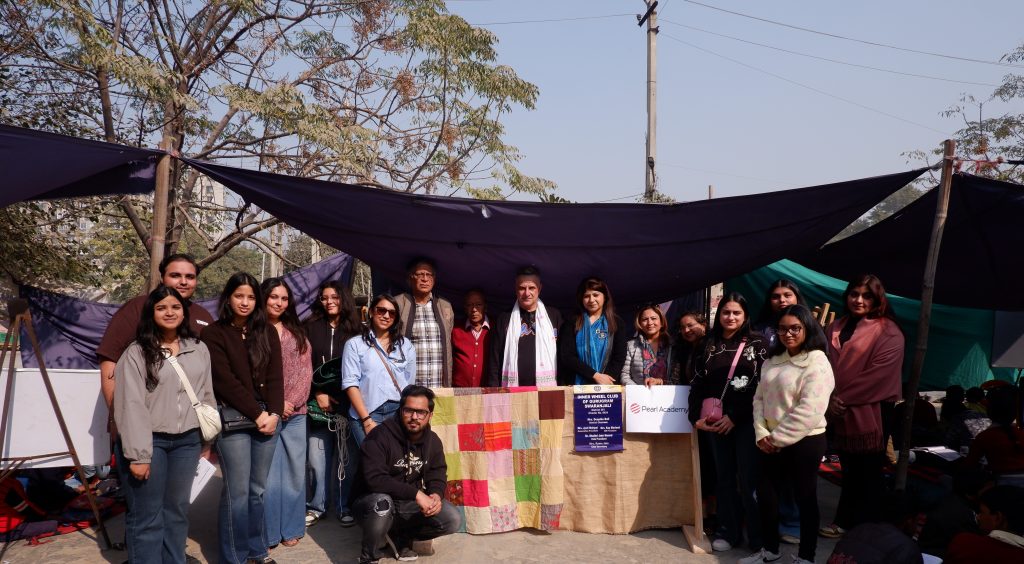 Moving beyond conceptual exercises, the students developed 1:1 scale prototypes and installed them on site. The process involved working within tight budgets, sourcing materials locally, and making structural modifications during installation. This closely reflected the realities of professional design practice.
The work was showcased in the presence of the school administration, members of the Inner Wheel Club Swaranjali Gurugram, and Pearl Academy faculty. Feedback from the school emphasised durability and safety, including the need for stronger structural support and improved stability to withstand daily student activity.
The initiative demonstrates how design education, when grounded in real contexts, can move beyond classrooms to deliver measurable social impact—preparing students for professional practice while addressing urgent community needs.