

 Chandrani Bhattacharya is Senior Director of Resource Mobilisation at The Akshaya Patra Foundation.
Corporate Social Responsibility in India has come a long way. Over the past decade, CSR has moved from being a minimum statutory compliance requirement to becoming a central component of overall corporate strategy. Many enterprises and SMEs have backed some of the most ambitious social programmes that have transformed millions of lives at the grassroots. As this area continues to develop and scale up, many organisations across boardrooms and partner institutions are having conversations about measurable outcomes for CSR fund deployment.
This is also why outcome-based CSR funding is increasingly becoming the new standard. The conversation is gradually moving beyond how much has been spent, how many activities have been conducted or how many beneficiaries have been covered. The more important question is what has changed as a result of that investment. Has a child become healthier? Has school attendance improved? Have learning outcomes improved? Has a community’s quality of life improved? These are harder questions, but they also bring us closer to understanding the true value of CSR.
There is a good reason why activity has historically been the focus of CSR initiatives. They are specific, tangible, and most importantly, highly visible. An ‘outcome’, on the other hand, is harder to define. Outcomes unfold over time and are influenced by a range of factors, including demographics, families, communities, last-mile delivery, accountability and broader social factors. Therefore, an activity is essentially a promise made, while an impactful outcome is a promise kept. Also, when we look at outcomes and impact over just numbers, we are setting up our CSR commitments for long-term success.
 This shift does not mean that activities are unimportant. In fact, well-defined and planned activities are the essential enablers through which outcomes are achieved. The distinction lies in how we look at them. A programme cannot be judged solely by the activity delivered. We must also ask whether the intervention reached the intended beneficiaries consistently and on time. Did it address the underlying need? Did it create the conditions for meaningful, sustained change?
Ensuring a child receives a nutritious meal consistently, across the school term over several years, contributes to an outcome that can influence attendance, concentration, nutrition and the ability to participate in the classroom.
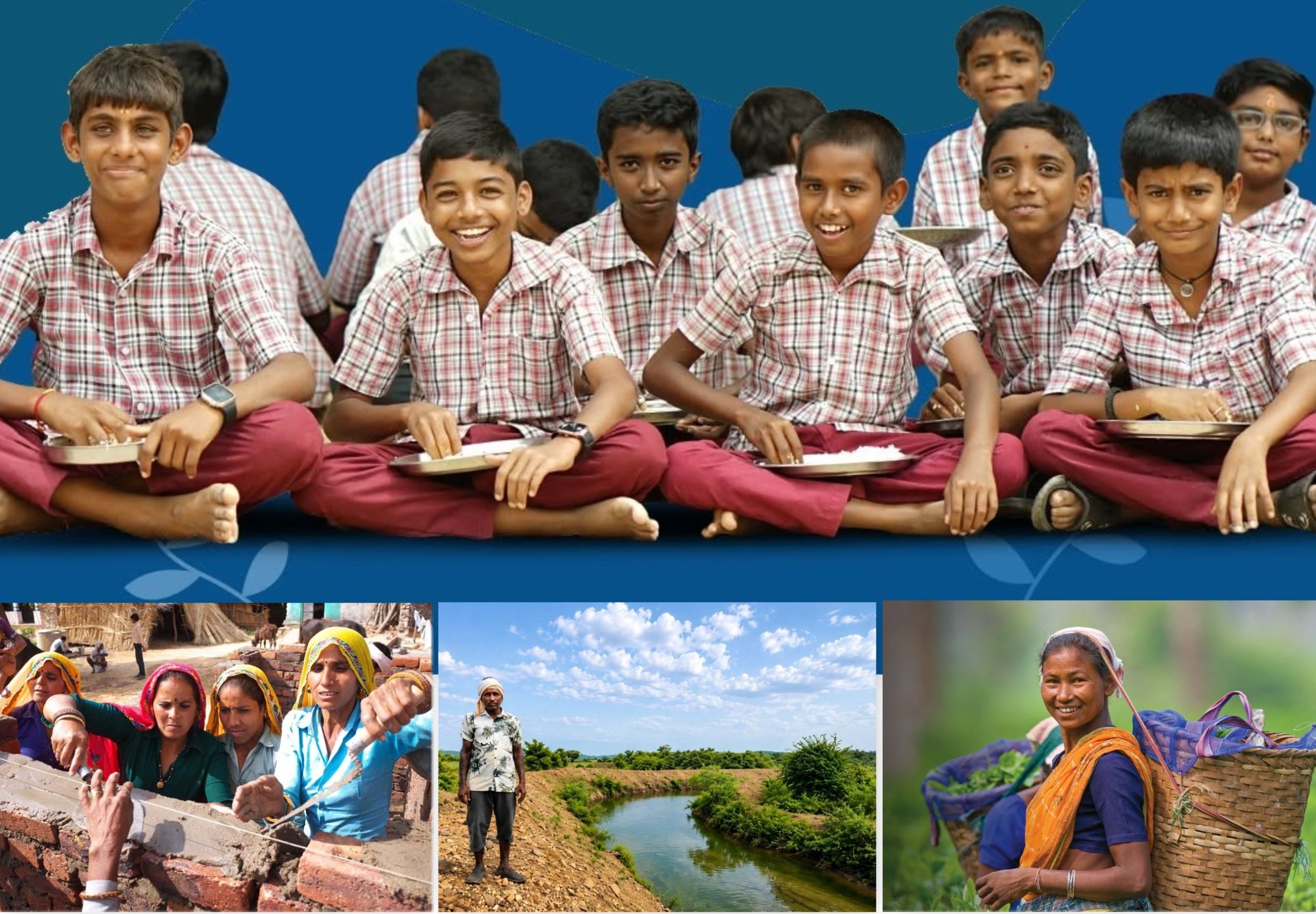
There is a direct link between activity and outcome. Childhood nutrition sits at this intersection. In large-scale school feeding programmes, the activity is serving children hot, freshly cooked, nutritious meals. The intended outcome is that children come to school each day knowing they will receive a quality meal. With reliable access to nutritious food, they are better able to learn.
A well-nourished child learns better as they are able to participate actively in class. The World Food Programme’s school feeding report estimates that every dollar invested in school meals can return around nine dollars through better health, learning and productivity later in life. That return comes from the momentum a single meal sets in motion, day after day, through a long-term commitment.

This is where the real value of outcome-based CSR becomes visible. A meal served once is an activity. Ensuring a child receives a nutritious meal consistently, across the school term over several years, contributes to an outcome that can influence attendance, concentration, nutrition and the ability to participate in the classroom. The intervention may look simple, but the systems required to make it reliable at scale are complex and detailed. Procurement, food safety, cooking, quality checks, packaging, transportation and last-mile delivery need to work together every single day in an agile framework.
For corporate partners, this creates a different approach to investing their CSR investments. Rather than treating funding as an annual allocation that needs to be deployed within a particular cycle, the focus shifts towards understanding what sustained investment can enable. It encourages organisations to ask where their funds are going and how effectively they are being translated into change on the ground.
Such an approach to outcomes demands commitment to create long-term impact, trusting the process, aligning with implementation partners who share similar values and belief in the purpose. One does not see real transformation in a child’s health or education in the confines of a limited duration of partnership. Yet there is something to be said for the way this alters the nature of the partnership, instilling a level of trust and steadiness that a one-time effort cannot create. It is heartening to note that many corporate and philanthropic partners are choosing this deeper engagement, measured in years rather than quarters.
When stakeholders establish a shared baseline, define clear measures of success and rely on independent expertise to verify achievements, measurement becomes a meaningful tool for accountability rather than routine reporting. It provides an irrefutable measure of the shared commitment to the beneficiaries and the partners who fund the various initiatives. Furthermore, these insights help identify gaps and strengthen safeguards to improve overall effectiveness.
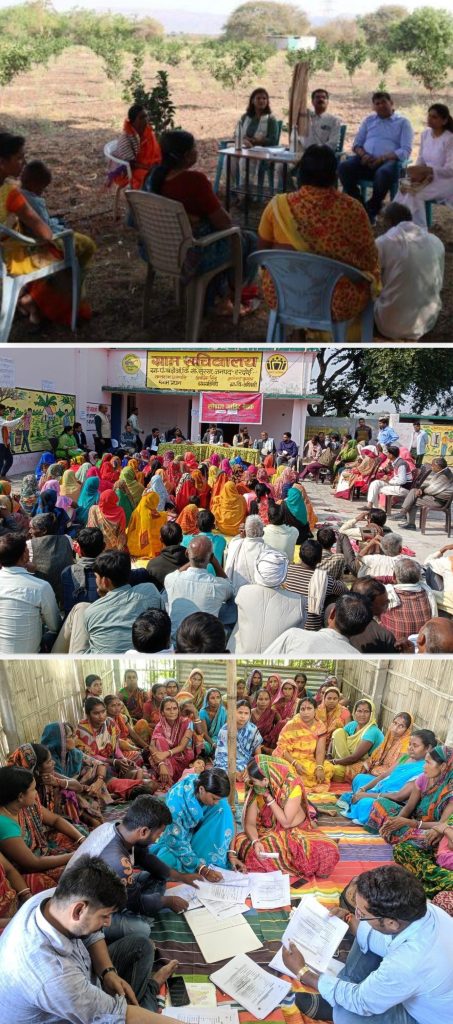 Long-term partnerships also allow programmes to become more responsive. When an intervention is supported over time, organisations can learn what is working, identify gaps and make changes instead of beginning again with every funding cycle. This continuity is particularly important in areas such as nutrition and education, where the desired outcomes are inherently long-term. A child does not move from vulnerability to resilience because of one intervention. It happens through consistency, access and a system that continues to support the child.
This focus on outcomes introduces a welcome discipline to CSR programmes. When stakeholders establish a shared baseline, define clear measures of success and rely on independent expertise to verify achievements, measurement becomes a meaningful tool for accountability rather than routine reporting. It provides an irrefutable measure of the shared commitment to the beneficiaries and the partners who fund the various initiatives. Furthermore, these insights help identify gaps and strengthen safeguards to improve overall effectiveness.
Measurement, therefore, should not become another compliance exercise. It should be a means of learning. At times, an intervention may not produce the intended result immediately, and not every outcome can be attributed to a single programme. Social development operates within a complex ecosystem where multiple factors influence a beneficiary’s life. Recognising this complexity makes robust measurement even more important. It allows partners to distinguish between outputs and outcomes, understand what can reasonably be attributed to an intervention and identify where additional effort is required.
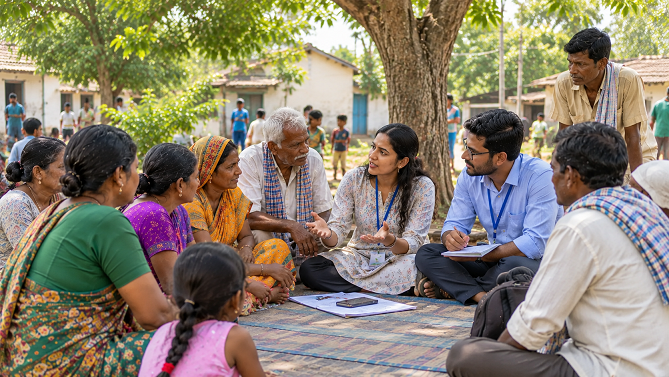
For CSR fund creators, this also means asking better questions at the beginning of a partnership. What does success look like? Over what period should it be measured? What baseline will be used? Who will measure it? How will beneficiaries’ voices be incorporated? And, importantly, how will the findings influence future decisions? These questions can make CSR funding more intentional, transparent and help move the conversation from utilisation to impact.
The most valuable role for Corporate India is to fortify a system that has proven to work and improve its efficiency, impact and scale to ensure its benefit reaches every corner of the country. Corporate funding and impactful implementation efforts that guarantee last-mile delivery are a powerful combination whose success cannot be achieved in isolation.
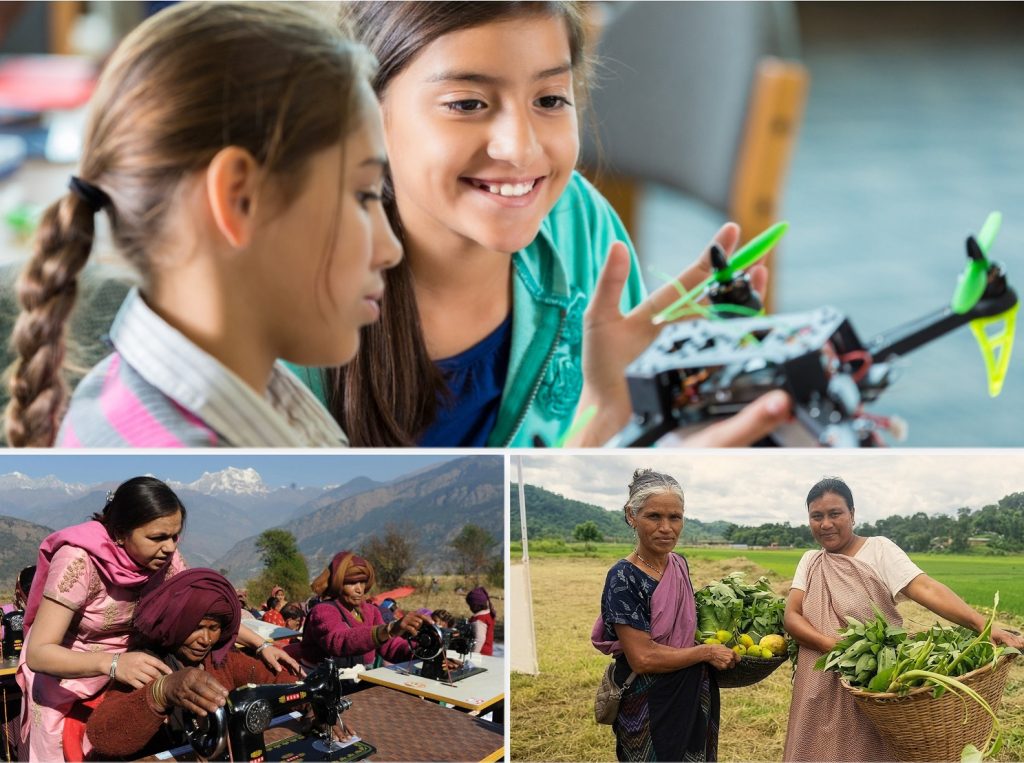
This is particularly relevant when we look at India’s development priorities. The scale of challenges around nutrition, education, healthcare, livelihood and inclusion requires collaboration between government, corporates, communities, civil societies and implementation partners. No single institution can address these challenges independently. CSR can play a meaningful role by bringing together resources, expertise and long-term commitment around programmes that have the ability to create measurable change.
The next phase of CSR in India may be defined by long-term vision and impact-led planning towards nation-building. It will require measurement systems that capture progress both as numbers and meaningful social change. This is why outcome-based CSR funding is becoming the new standard. It represents a shift from counting what has been done to understanding what has changed.
Viewed in this light, CSR is not an act of giving but a sustained investment in developing the human capital of the country. A well-nourished and well-educated child is the foundation on which a family builds a better life, which further enables nation building. The impact of these investments can be documented in detailed annual reports and through the stories, but more so in the quality of life of the beneficiaries over the decades.
This is also why the future of CSR cannot be separated from the quality of implementation. Funding can provide the resources required to address a social challenge, but outcomes depend on how effectively those resources are used for the benefit of people for whom they are intended. Strong implementation partners bring institutional knowledge, community understanding, operational efficiency and the ability to work through the complexities of last-mile delivery. When corporate intent and implementation capability come together, the possibility of sustained impact becomes stronger.
CSR partners should look beyond how much money is spent and ask what it is helping to achieve. When companies and organisations share goals, are open with each other, use evidence, and learn from each project, they can build stronger partnerships.
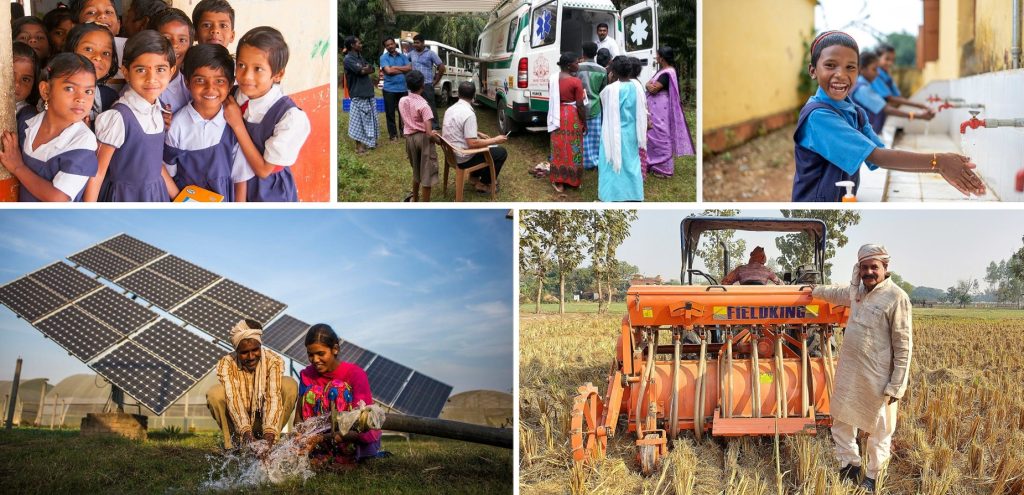
The approach and template for measuring impact across every CSR programme varies, and enough detail in scope must be done before a project begins. A livelihood initiative, a healthcare programme and a school nutrition intervention will each involve different impact measurement.
The next phase of CSR in India may be defined by long-term vision and impact-led planning towards nation-building. It will require measurement systems that capture progress both as numbers and meaningful social change. This is why outcome-based CSR funding is becoming the new standard. It represents a shift from counting what has been done to understanding what has changed. It is a demanding standard, an inspiring one that Corporate India is more than ready to meet. When we shift our gaze from what we do to what we change, we are setting our beneficiaries up to succeed. After all, nothing speaks like success.