

 Swetha Prakash is the Centre Lead at the Centre for Data Science and Social Impact (CDSSI) at ISDM.
Social Purpose Organisations (SPOs) across India are beginning to recognise the data imperative, moving from viewing data as a compliance obligation to treating it as a strategic asset that informs programme design, decision-making, learning, and other internal operations. This is a meaningful shift, from surface-level data use to deeper data adoption.
For example, since 2023, institutions such as J-PAL and Data.org have been collaborating to train students and data professionals to expand the use of data to address systemic challenges in health and climate. Through tools like the Data Maturity Assessment (DMA) created by the Centre for Data Science and Social Impact (CDSSI) at the Indian School of Development Management (ISDM), and platforms such as ISDM DataShakti (also by ISDM, powered by Capgemini), SPOs can now diagnose where they stand in terms of data readiness and leverage open data sets for better programme design.
The need of the hour now is for SPOs to leverage these tools to assess their data readiness and work to deepen data adoption in feasible, sustainable ways, and for the sector to enable this journey.
Moving from Collecting to Using Data
 One of the most striking findings from the DMA, which surveyed over 360 SPOs across India on data maturity, is the gap between intent and practice. More than 50 per cent of organisations report that data is highly important to them, while a further 16 per cent identify it as their highest priority. Yet this stated importance does not consistently translate into embedded data practices.
Rather than viewing data capacity as a binary condition, where an organisation is either data-ready or not, it is more useful to recognise that SPOs’ data maturity exists along a spectrum.
Intent alone, however, does not create capability. Building meaningful data systems requires sustained investment, a strong data-oriented culture and mindset, and appropriate staff training supported by coordinated institutional effort. For many SPOs, data systems have evolved in fragments. Monitoring and evaluation teams collect project data, finance teams track expenditures, and leadership may review dashboards periodically, if any exist. These systems do not always communicate with one another. Data often remains siloed, stored in physical files or on local computers, making it difficult to retrieve, analyse, or repurpose. As a result, while intent exists, on-ground realities continue to reflect limited data maturity.
Rather than viewing data capacity as a binary condition, where an organisation is either data-ready or not, it is more useful to recognise that SPOs’ data maturity exists along a spectrum.

Reflecting this continuum, the DMA categorises organisations into five stages: Beginner, Progressing, Emerging, Expert, and Advanced.
At the Beginner level (5 per cent of organisations), data is collected primarily for compliance and reporting. These include smaller, older, resource-constrained and community-based organisations. They typically operate in traditional sectors, such as health, gender, and livelihoods.
Progressing and Emerging organisations increasingly recognise the strategic role of data. They actively develop data skills, systems, and governance. This bracket represents 70 per cent of all organisations surveyed, showing how India’s social sector is making inroads into data maturity.
SPOs at the Advanced and Expert stage (25 per cent of organisations surveyed fell into this bracket) have a well-established data culture with robust processes. They integrate data across functions. Programmes, finance, and operations teams share data systems. Leaders actively use data to course-correct interventions, allocate resources, and test assumptions.
Building data maturity requires sustained investment in systems, tools, and people. For many SPOs, particularly smaller and community-based organisations, allocating resources to data infrastructure competes with immediate programmatic priorities. Flexible funding that recognises data capacity as core organisational infrastructure can significantly accelerate progress.
Aspects of Data Maturity
It is tempting to frame data maturity as a technical challenge, but the issue is more complex. The intersection of operational, financial, talent, and infrastructure challenges hinders SPOs’ ability to adopt data-driven practices effectively. In addition, maturity is not correlated only with size. Older organisations with larger budgets tend to do better, but younger, tech-enabled SPOs often outperform their peers in areas like data security and digital adoption. Overall, some of the critical levers of data maturity surfaced by the DMA are:
 SPOs’ financial resources: Organisations with greater financial resources tend to have significantly stronger data cultures. This means funders play a central role in shaping data practices. When funding supports long-term capability, such as staff roles, training, and system integration, organisations are better positioned to embed data practices in their work. Moving beyond short-term, project-bound data requirements enables SPOs to build durable, organisation-wide data systems.
 What is being tracked: Data is most commonly used for monitoring activities and reporting outputs. While this is an important starting point, data maturity requires meaningfully embedding data into everyday decision-making. This includes using data to generate insights, support learning, and inform strategic decisions. When organisations are able to connect programme data with financial, operational, and people data, evidence becomes a tool for adaptation rather than documentation.
 How data is being collected: Many SPOs are actively collecting data, but operational practices are still evolving. Improving data accessibility, security, and staff training will be key to ensuring that data can be used consistently and confidently across teams. As organisations handle increasingly sensitive information, investments in data governance, secure storage, and routine staff training are becoming foundational, not optional.
 What data processes look like: Building data maturity requires sustained investment in systems, tools, and people. For many SPOs, particularly smaller and community-based organisations, allocating resources to data infrastructure competes with immediate programmatic priorities. Flexible funding that recognises data capacity as core organisational infrastructure can significantly accelerate progress.
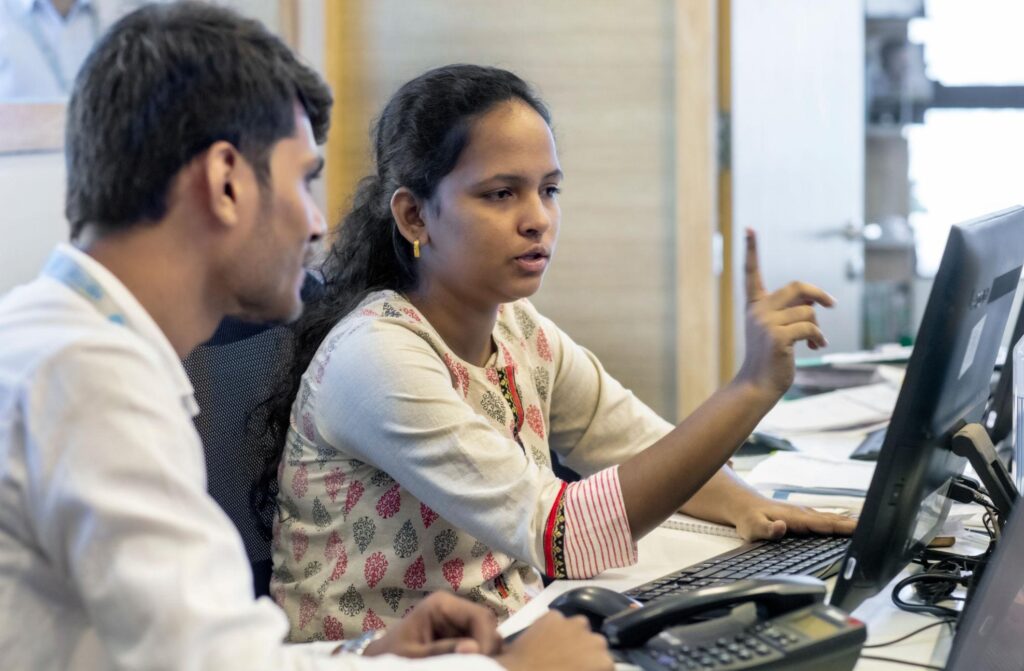 Who is managing data: Ultimately, data maturity rests on people. Developing in-house expertise requires competitive roles, clear mandates, and leadership support. When data talent is embedded within organisational teams, rather than positioned as short-term or peripheral support, its impact multiplies across programmes and functions.
At its core, data maturity is a cultural shift. The next phase of data maturity will depend on how well the sector approaches it as a shared ecosystem responsibility. Funders, intermediaries, and SPOs must work together to encourage responsible data-sharing, common standards, and collective learning.
No SPO operates in isolation, and many have overlapping thematic areas. Moreover, different thematic areas often shape and influence each other. Collaborating with peers, researchers, funders, and intermediaries allows organisations to learn faster and avoid repeating mistakes. Responsible data-sharing, when done ethically and securely, can amplify impact beyond individual programmes.
A Sector-Level Shift
The next steps for the social sector to deepen data adoption include:
Investing in people before platforms: Data maturity is not achieved by software alone. SPOs need staff who can ask the right questions, interpret data critically, and translate insights into action. This may mean hiring dedicated data professionals or upskilling internal teams through targeted training.
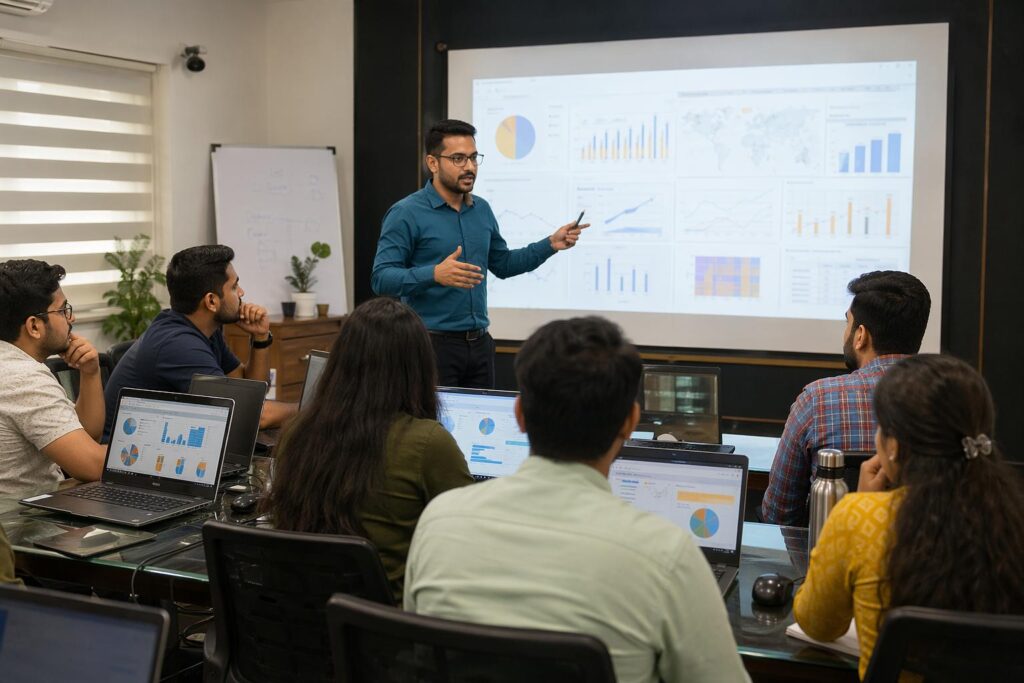 Using diagnostic tools to guide investments: Not every organisation needs advanced analytics or AI-driven dashboards. Tools like the DMA help SPOs identify their current stage and prioritise investments accordingly. For an organisation at the ‘Basic’ level, digitising data collection may be transformative. For an advanced SPO, improving data integration or governance may be more important.
Adopting shared and open platforms where possible: Building bespoke systems is costly and often unnecessary. Open data platforms such as ISDM’s DataShakti and Innovation platforms such as the CDSSI’s Data Science Exchange lower the barrier to adoption by offering SPOs accessible and standardised infrastructure. Shared platforms also make it easier to aggregate insights across organisations, which benefits the entire sector.
 Treating data maturity as an ecosystem asset: No SPO operates in isolation, and many have overlapping thematic areas. Moreover, different thematic areas often shape and influence each other. Collaborating with peers, researchers, funders, and intermediaries allows organisations to learn faster and avoid repeating mistakes. Responsible data-sharing, when done ethically and securely, can amplify impact beyond individual programmes.
Progress will require patience, realism, and collaboration. It’s essential to keep the focus on why data matters: not for dashboards or reports, but for people and communities that SPOs exist to serve. And if the current momentum continues, it may well redefine how social impact is designed, delivered, and sustained in India.
From Depth to Volume
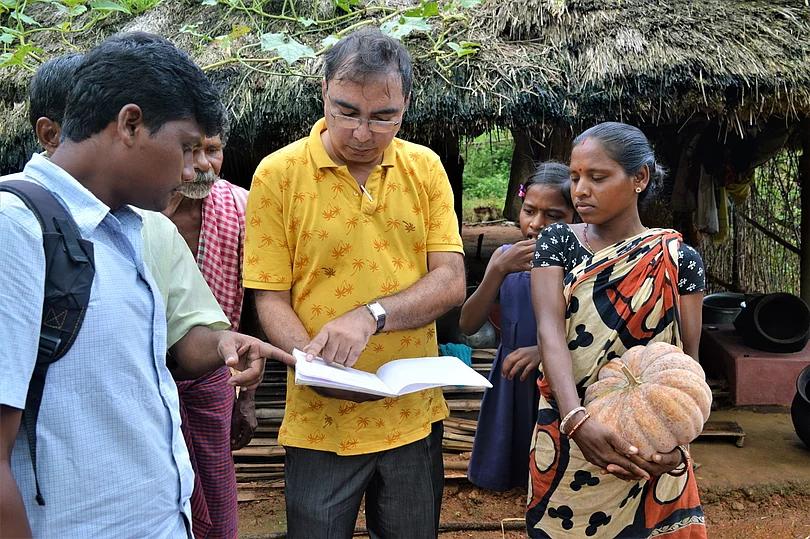 One way to enhance data maturity is to deepen existing data by connecting it to decisions, strategy, and learning.
Which interventions are working for whom? Where are outcomes diverging from intent? What assumptions need to be tested? When data helps answer these questions, it stops being a burden and starts becoming a tool for reflection and improvement. This shift looks like data moving from paperwork to practice.
Progress will require patience, realism, and collaboration. It’s essential to keep the focus on why data matters: not for dashboards or reports, but for people and communities that SPOs exist to serve. And if the current momentum continues, it may well redefine how social impact is designed, delivered, and sustained in India.