


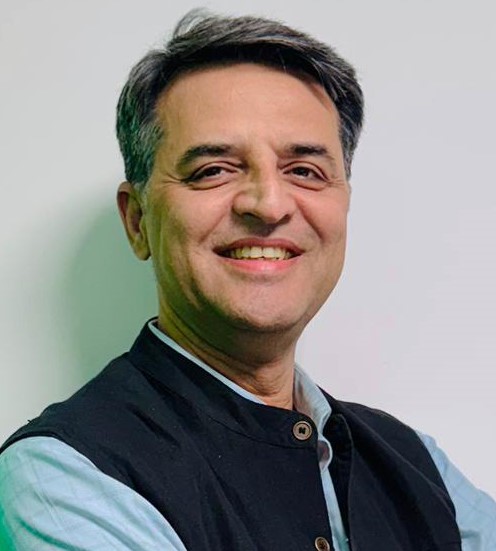
 Sundeep Talwar is the CEO of Impact Guru Foundation India.
India’s rural healthcare system continues to face deep structural challenges, limited access to quality care, shortages of skilled health professionals, delayed diagnoses, and weak last-mile connectivity. While infrastructure and policy reforms are critical, experience has shown that sustainable transformation is impossible without investing in people and technology together. This is where STEM education emerges as a powerful catalyst for change.
By integrating STEM education with healthcare delivery, rural health systems can move from reactive, episodic care to preventive, data-driven, and community-led models. Across India, IGF India is demonstrating how this integration can reshape healthcare outcomes at scale, with empathy, and with measurable impact.
STEM education in healthcare is not limited to doctors or laboratories. In rural contexts, this translates into digitally skilled nurses, technology-enabled frontline workers, AI-powered diagnostics, and mobile healthcare systems that can operate even in low-resource settings.
Healthcare transformation cannot happen through infrastructure alone. It happens when people on the ground, nurses, health workers, and caregivers are empowered with skills, confidence, and the right technology to serve their communities.
IGF India’s work is rooted in a simple but transformative belief: technology becomes meaningful only when communities are equipped to use it. With an operational presence across 14 States, IGF India focuses on embedding STEM capabilities directly into healthcare delivery, ensuring that innovation reaches the last mile.
Healthcare transformation cannot happen through infrastructure alone. It happens when people on the ground, nurses, health workers, and caregivers are empowered with skills, confidence, and the right technology to serve their communities.
Building a Skilled Nursing Workforce at National Scale
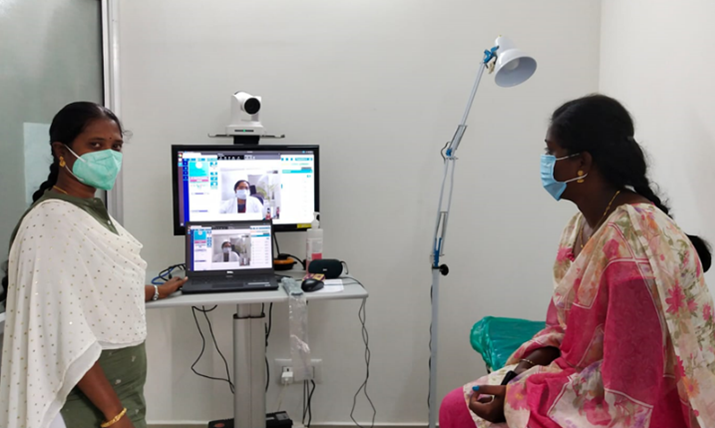
A central pillar of Impact Guru Foundation India’s strategy is strengthening the nursing workforce, which forms the backbone of rural healthcare delivery. In collaboration with Microsoft, IGF India has designed a STEM-integrated nursing programme that goes beyond conventional training to build confidence, clinical judgment, and technology-enabled responsiveness among nurses. By combining digital learning, telephonic clinical support, and structured decision-making frameworks, the programme equips nurses to act decisively when time and access to senior doctors are limited.
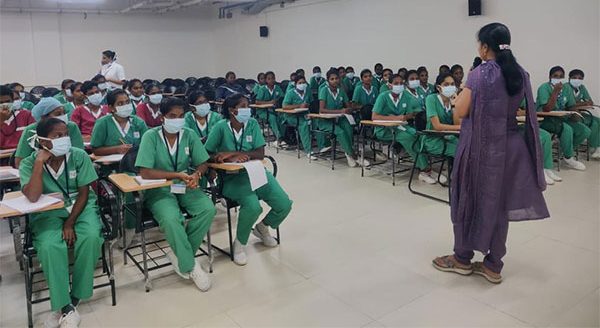
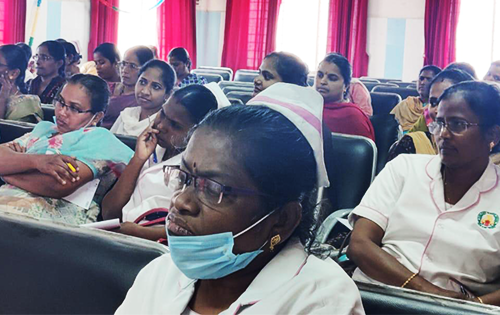
The true impact of this approach is reflected in moments of care, not just curriculum outcomes. Lalita, a nurse trained under the programme, recalls a critical incident when a patient arrived with severe abdominal pain while the doctor was engaged elsewhere. Drawing upon her training, she initiated telephonic clinical support, followed by a guided assessment, identified a probable gastroenterological issue, and provided immediate care. When the doctor arrived, Lalita was able to explain the situation and the actions taken clearly.
Reflecting on that day, Lalita shared, “I felt proud not just because I helped the patient, but because when I explained everything to the doctor, I saw respect and trust in his eyes. For the first time, I felt like a true partner in care.” She attributes that moment of confidence and recognition to the training and telephonic support embedded within the programme.
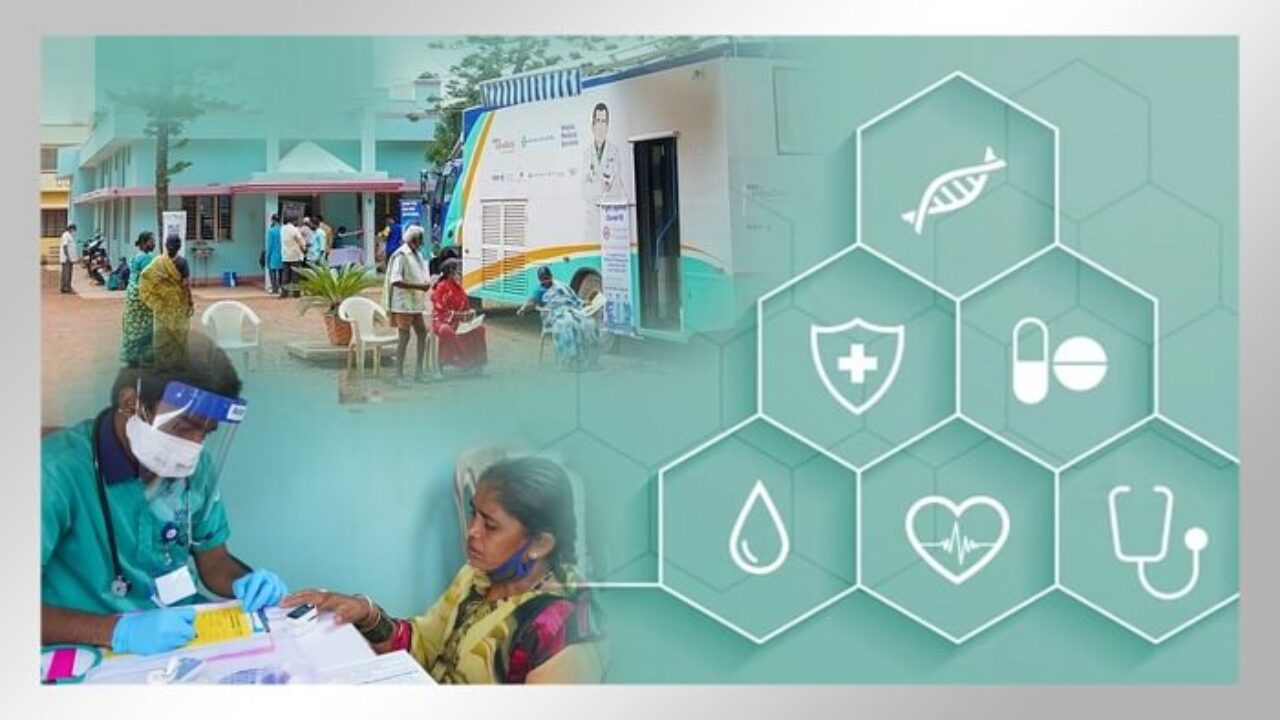
One of IGF India’s most impactful innovations is its Care on Wheels (COW) programme advanced mobile medical units that travel deep into rural India to deliver critical healthcare services. These units are far more than mobile clinics. They function as STEM-enabled healthcare systems on wheels, equipped with AI-powered, contactless physiological monitoring, real-time diagnostics, tele-consultation facilities, and secure digital health records.
Impact of the Nursing STEM Programme
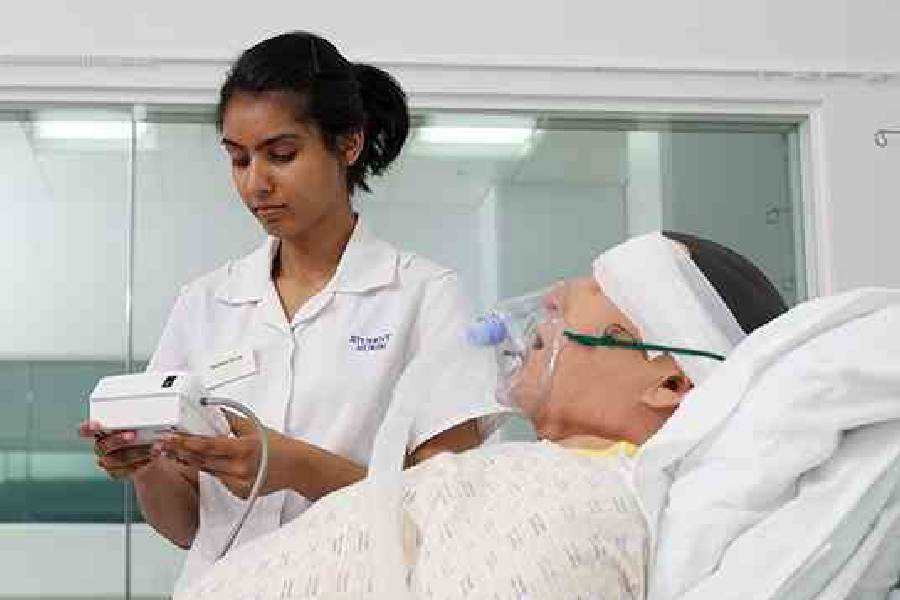 Enhanced Care Quality: Nurses trained under the programme deliver more accurate health assessments, effective treatments, and timely referrals; directly improving community health outcomes.
Improved Efficiency and Productivity: Digitally enabled workflows reduce administrative burden, optimise time and 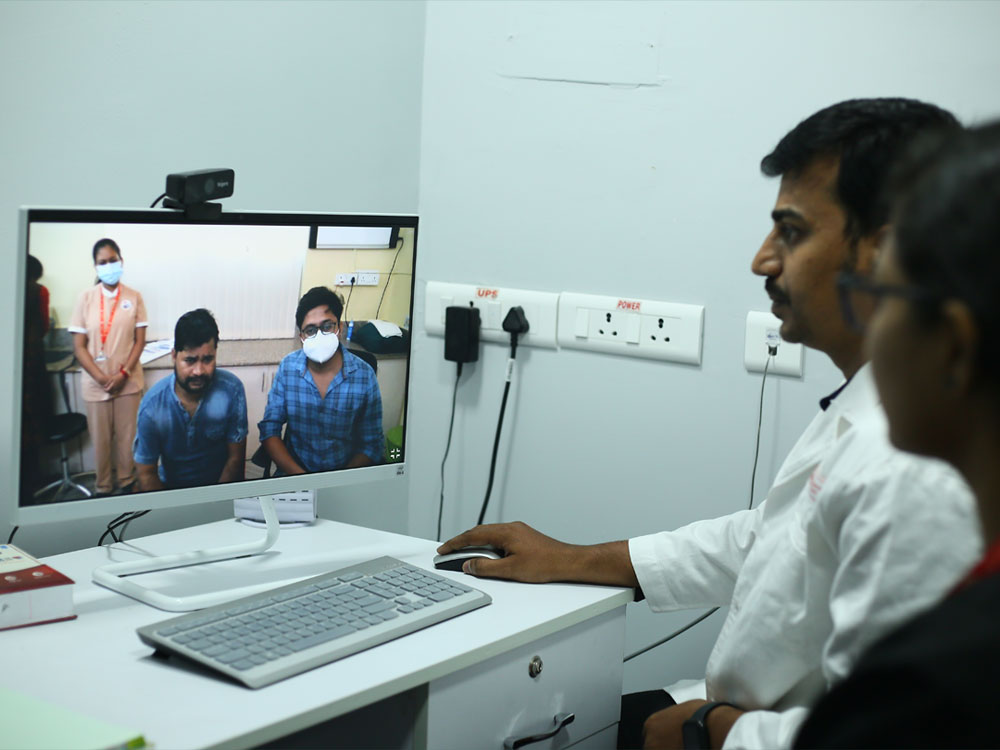 resources, and allow nurses to focus on patient-centric care.
Integration of Advanced Technologies: Nurses are trained to use telemedicine platforms, digital diagnostics, and AI-supported tools, bringing modern healthcare closer to rural populations.
Higher Patient Satisfaction: Communities report greater trust and satisfaction due to informed care, clearer communication, and continuity of treatment.
Employment and Career Progression: The initiative offers on-the-job training cum placement support, reinforcing IGF India’s commitment to livelihoods alongside learning.
Importantly, the programme is scholarship-driven and inclusive, ensuring nurses from economically vulnerable backgrounds can access high-quality training and long-term career growth.
Care on Wheels: STEM in Motion
One of IGF India’s most impactful innovations is its Care on Wheels (COW) programme advanced mobile medical units that travel deep into rural India to deliver critical healthcare services. These units are far more than mobile clinics. They function as STEM-enabled healthcare systems on wheels, equipped with AI-powered, contactless physiological monitoring, real-time diagnostics, tele-consultation facilities, and secure digital health records. This integration allows doctors and nurses to make faster, more accurate clinical decisions, even in emergency or high-risk scenarios where every minute matters. For rural populations, Care on Wheels often represents the difference between delayed care and timely intervention.
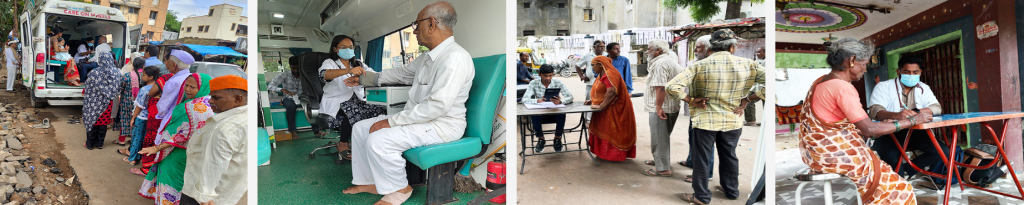
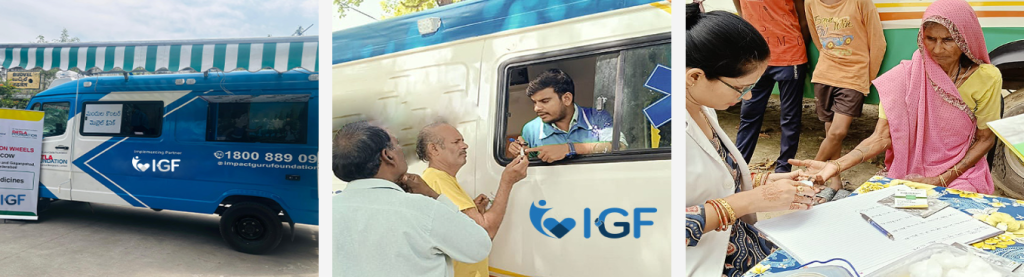
IGF India has strengthened maternal and child health services, enabled rapid emergency response in remote areas, supported chronic disease screening and long-term management, and expanded preventive health camps with structured follow-ups. By combining mobility with advanced technology, Care on Wheels ensures that geography does not dictate survival, dignity, or quality of care. It brings specialised healthcare to communities that have historically been excluded from it.
Through this model, IGF India has strengthened maternal and child health services, enabled rapid emergency response in remote areas, supported chronic disease screening and long-term management, and expanded preventive health camps with structured follow-ups. By combining mobility with advanced technology, Care on Wheels ensures that geography does not dictate survival, dignity, or quality of care. It brings specialised healthcare to communities that have historically been excluded from it.
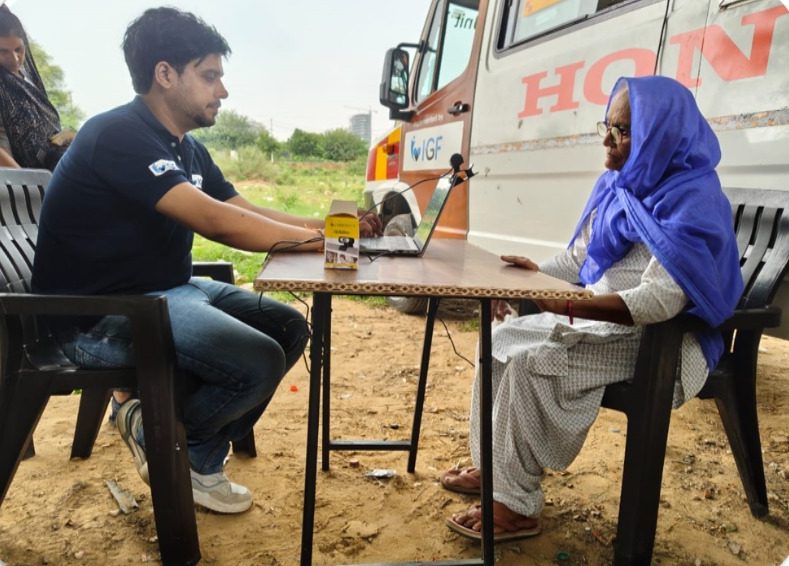
Pushing the boundaries further, IGF India has embraced contactless physiological monitoring, piloted successfully in Manesar, showcasing how advanced STEM applications can redefine speed, safety, and scale in healthcare delivery. Using a basic camera-based facial scan, the system captures subtle physiological signals such as variations in skin tone and micro-expressions, which are processed by advanced AI models to extract vital signs with medical-grade accuracy. Within seconds, results are generated and securely integrated into existing health applications, enabling seamless clinical use.
This innovation has profound implications for rural and high-footfall settings. It enables hygienic, contactless screening, crucial in outbreak-prone environments, while significantly reducing patient wait times and manual errors. Its ability to scale for enterprise-level parallel processing, combined with strong data security and compliance, makes it both practical and future-ready. Most importantly, it allows healthcare providers to focus more on patients and less on processes.
STEM education is no longer optional for healthcare; it is foundational. By embedding STEM into nursing education, mobile healthcare, digital diagnostics, and AI-driven monitoring, IGF India is transforming rural health systems from the inside out. Technology shortens distance, but it is skilled people who save lives. Our work is about ensuring that both reach the communities that need them the most.
Together, these interventions illustrate how STEM, when applied with intent and empathy, can transform rural healthcare from a system constrained by distance and resources into one driven by speed, intelligence, and human-centred care. IGF India’s work demonstrates that technology alone is not the solution, but when placed in the hands of trained professionals and deployed where the need is greatest, it becomes a powerful force for equity, resilience, and life-saving impact.
The true impact of STEM-enabled healthcare is best reflected in real lives.
When Dharmiben went into labour, her severe weakness made it impossible to reach a hospital in time. IGF India’s Care on Wheels team conducted an immediate home visit. After assessing her vital signs, Dr Waseem made the critical decision to perform an emergency delivery on-site.
Within minutes, a healthy baby was born. What could have been a tragic delay became a moment of life and hope, made possible by mobile healthcare, skilled professionals, and technology-enabled decision-making.
Such stories are not exceptions; they are outcomes of a system built to respond where traditional healthcare cannot.
Digital Health Kiosks: Access Where People Are
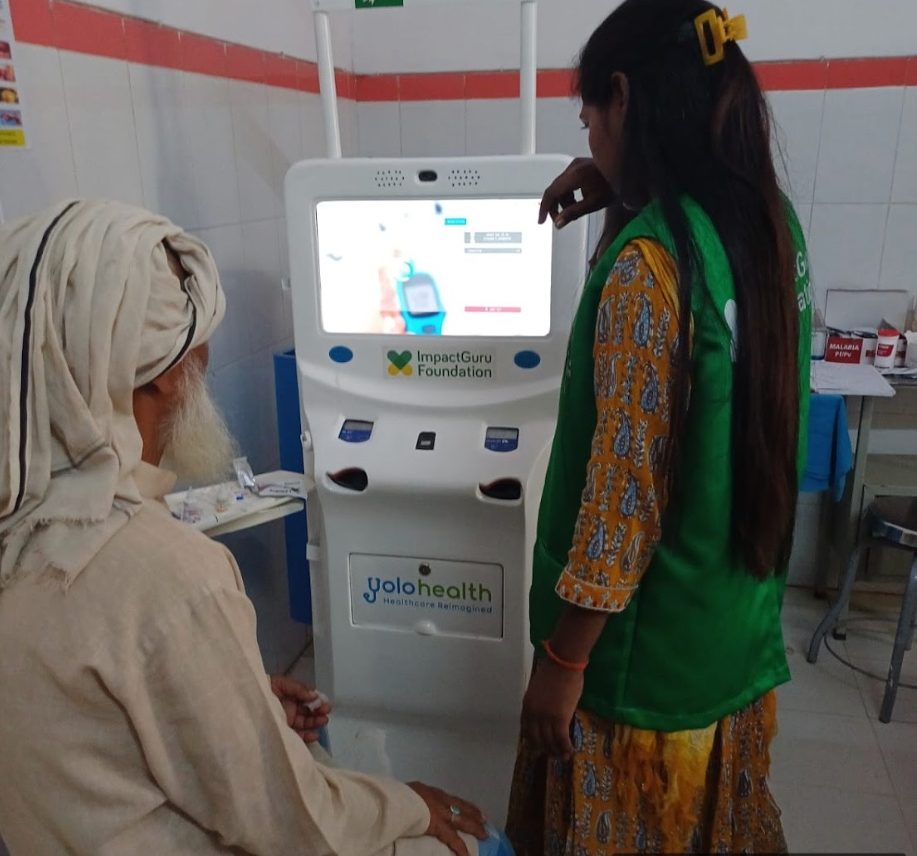 To further strengthen preventive care, IGF India has deployed Digital Health Kiosks across Lucknow, Varanasi, and Gorakhpur in Uttar Pradesh, installed at PHCs, district hospitals, railway stations, and bus stands.
These kiosks enable comprehensive health screening and tele-consultation, including blood pressure and glucose, oxygen saturation and heart rate, cholesterol and uric acid, 12-lead ECG and real-time heart and 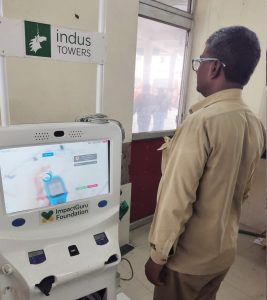 lung auscultation, rapid tests for dengue, HIV, malaria, and typhoid, and tele-consultancy with qualified doctors.
For daily wage workers, travellers, and underserved populations, these kiosks provide early detection, reduced out-of-pocket expenses, and timely medical advice, often preventing complications before they escalate.
STEM education is no longer optional for healthcare; it is foundational. By embedding STEM into nursing education, mobile healthcare, digital diagnostics, and AI-driven monitoring, IGF India is transforming rural health systems from the inside out.
Technology shortens distance, but it is skilled people who save lives. Our work is about ensuring that both reach the communities that need them the most.
 Through its presence across 14 States, its investment in nurses and frontline workers, and its commitment to last-mile care, IGF India stands as a powerful example of how STEM education, when guided by empathy and purpose, can build healthier, more resilient rural India.